Introduction to Sewing
Sewing Tools
Your Essential Sewing Toolkit
Before you can stitch a single seam, you need the right tools for the job. Having a well-equipped toolkit makes sewing easier, more accurate, and a lot more fun. Think of these as your partners in creation. You don't need a hundred different gadgets to start, just a few key items that will see you through most projects.
Investing in the right tools is the foundation of professional sewing.
Let's walk through the essentials. We'll start with the biggest player on the team and then cover the supporting cast that makes the magic happen.
The Heart of the Studio
The sewing machine is the centerpiece of most sewing projects. While you can certainly sew by hand, a machine makes the process faster and creates strong, durable seams.
Getting to know your machine is the first step. You don't need to be a mechanic, but understanding the basic parts is crucial. Most machines have:
- Spool Pin: Holds the top spool of thread.
- Hand Wheel: Manually raises and lowers the needle. It's perfect for stitching slowly in tricky spots.
- Stitch Selector: A dial or button to choose your stitch type, like straight or zigzag.
- Needle and Needle Clamp: The needle does the stitching, held in place by the clamp.
- Presser Foot: This small metal foot holds the fabric down against the machine so it feeds evenly.
- Bobbin: A small spool that holds the bottom thread, creating a locked stitch from below.
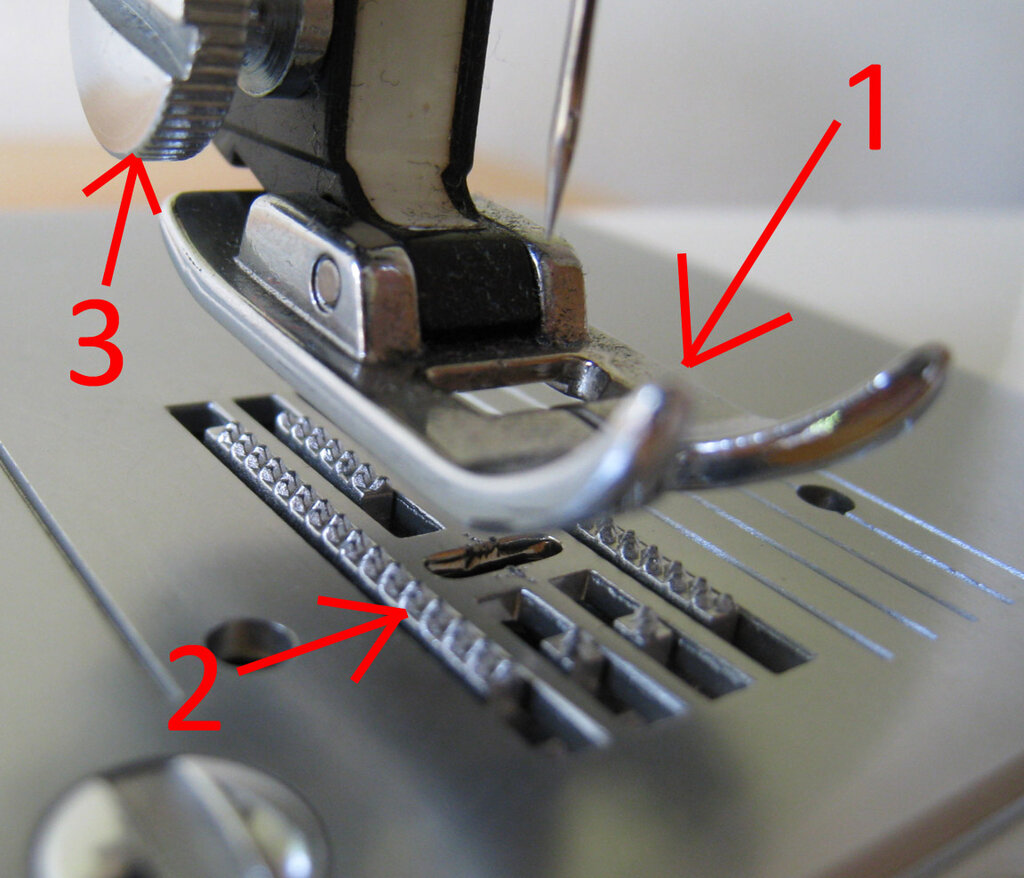
Operating a machine is about controlling speed and guiding the fabric. The foot pedal is your gas pedal. The more you press, the faster you go. Your hands are the steering wheel, gently guiding the fabric in a straight line or around a curve. Never push or pull the fabric; let the machine's feed dogs do the work of moving it along.
Practice on a scrap piece of fabric first. Get a feel for the speed and how to guide the material before you start on your actual project.
Measure Twice, Cut Once
Accurate cutting starts with accurate measuring and marking. These tools ensure your project pieces fit together perfectly.
Cutting Tools Your most important cutting tool is a good pair of fabric scissors. These should be sharp and used only for fabric. Cutting paper or other materials will dull the blades quickly. A separate, smaller pair of scissors or thread snips is also handy for trimming threads as you work.
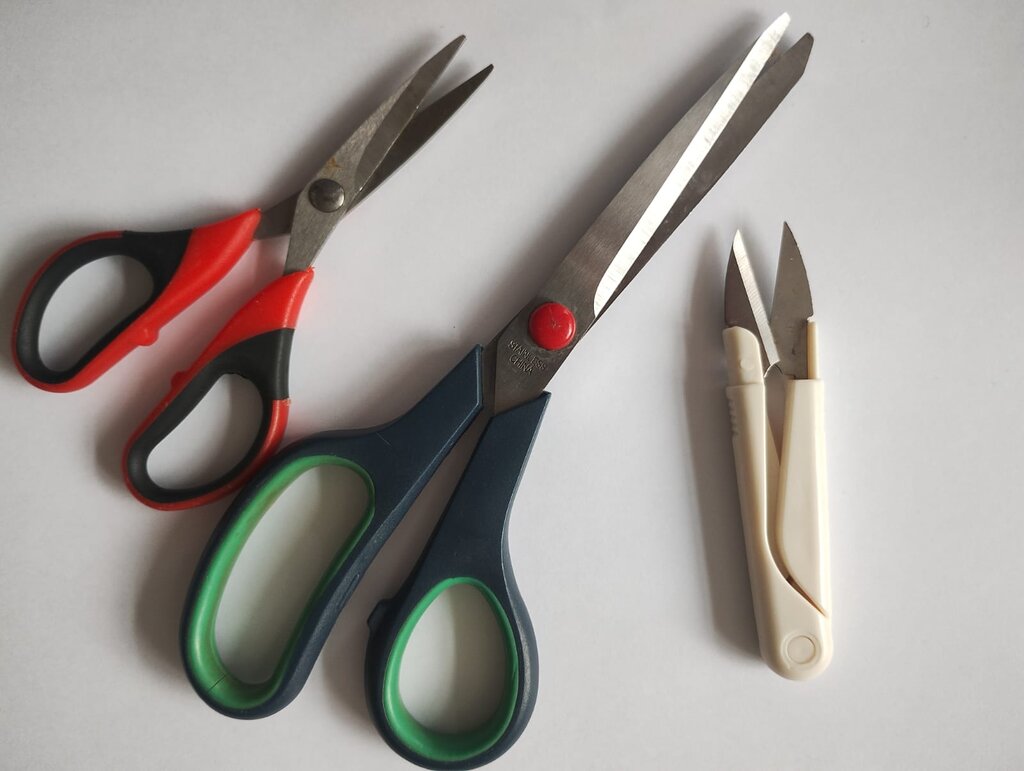
Measuring and Marking Tools A flexible measuring tape is essential for taking body measurements and measuring curves. For straight lines, a clear acrylic ruler is invaluable.
To transfer pattern markings to your fabric, you have a few options. Tailor's chalk or a chalk wheel are classic choices and brush off easily. Disappearing ink pens are another great option; their marks vanish with air or water. Always test your marking tool on a scrap of your project fabric to make sure the marks can be removed.
The Supporting Cast
A few smaller tools play crucial roles in holding your project together and fixing mistakes.
Needles and Thread Sewing machine needles aren't one-size-fits-all. They come in different sizes for different fabric weights. A good rule of thumb is to use a smaller needle (like a size 70/10) for lightweight fabrics and a larger needle (like a 90/14) for heavier ones like denim. Needles get dull, so it's a good idea to start each new project with a fresh one.
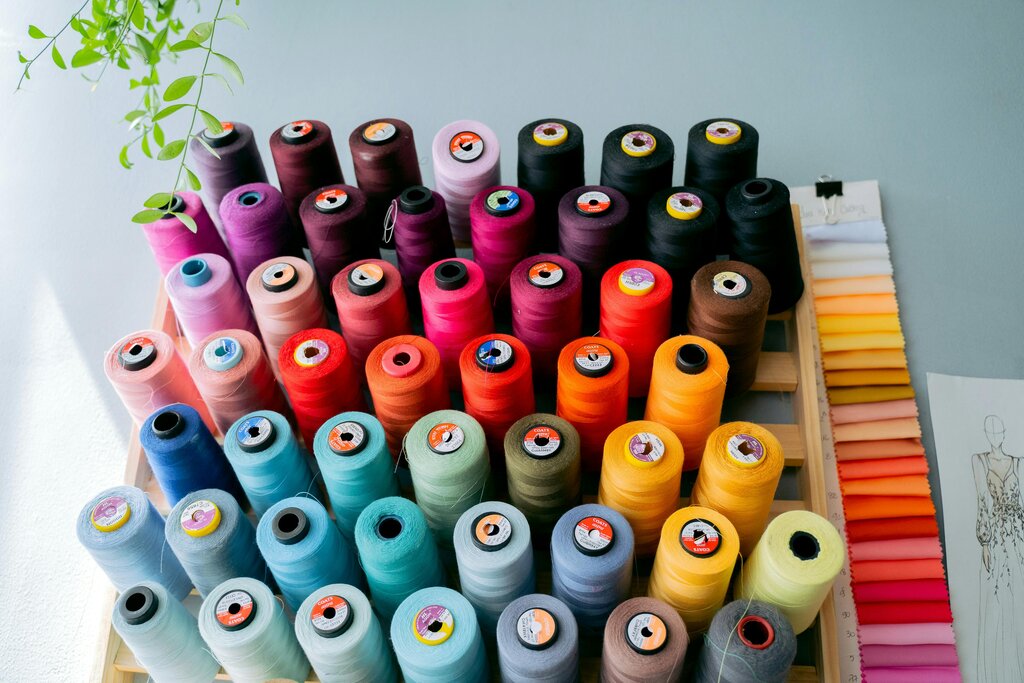
Thread also varies. All-purpose polyester thread is a versatile starting point that works for most fabrics. Match your thread color as closely as possible to your fabric for a professional finish.
Pins and Pincushions Pins hold your fabric pieces together before and during sewing. Glass-head pins are a good choice because they won't melt if you accidentally iron over them. A pincushion, often the classic tomato shape or a magnetic dish, keeps your pins organized and safely within reach.
Seam Ripper
noun
A small tool used for cutting and removing stitches.
Mistakes happen to everyone, and the seam ripper is your best friend when they do. This little tool has a sharp, hooked blade that slips under stitches to cut them. It lets you undo a seam without damaging your fabric. Every sewer needs one.
Tool Care and Safety
Taking care of your tools ensures they last a long time and perform well. Keep your scissors sharp and clean. Cover your sewing machine when not in use to protect it from dust. A little maintenance goes a long way.
Safety is also key. Keep pins and needles in a pincushion, not loose on your work surface. Always turn off your sewing machine when you're changing the needle or leaving it unattended. A well-organized workspace is a safe and efficient workspace.
What is the primary function of the hand wheel on a sewing machine?
Why should fabric scissors be used exclusively for cutting fabric?