Introduction to Sewing
Introduction to Sewing
Your Sewing Toolkit
Before you can stitch a single seam, you need the right tools. Gathering a few key items will make your sewing journey smoother and much more fun. Think of it as setting up your creative station. While a sewing machine is often the star of the show, a team of smaller tools plays an essential supporting role.
A sewing machine does the heavy lifting, creating strong, even stitches much faster than you could by hand. Modern machines come with various settings for different stitches, from a simple straight stitch to a decorative zigzag. Don't be intimidated by all the knobs and dials; for now, you only need to know how to thread it and sew a straight line.
Understanding your sewing machine is essential to successful sewing.
Alongside your machine, you'll need a handful of other tools for measuring, cutting, and holding your fabric in place. Let's break them down.
Cutting and Marking
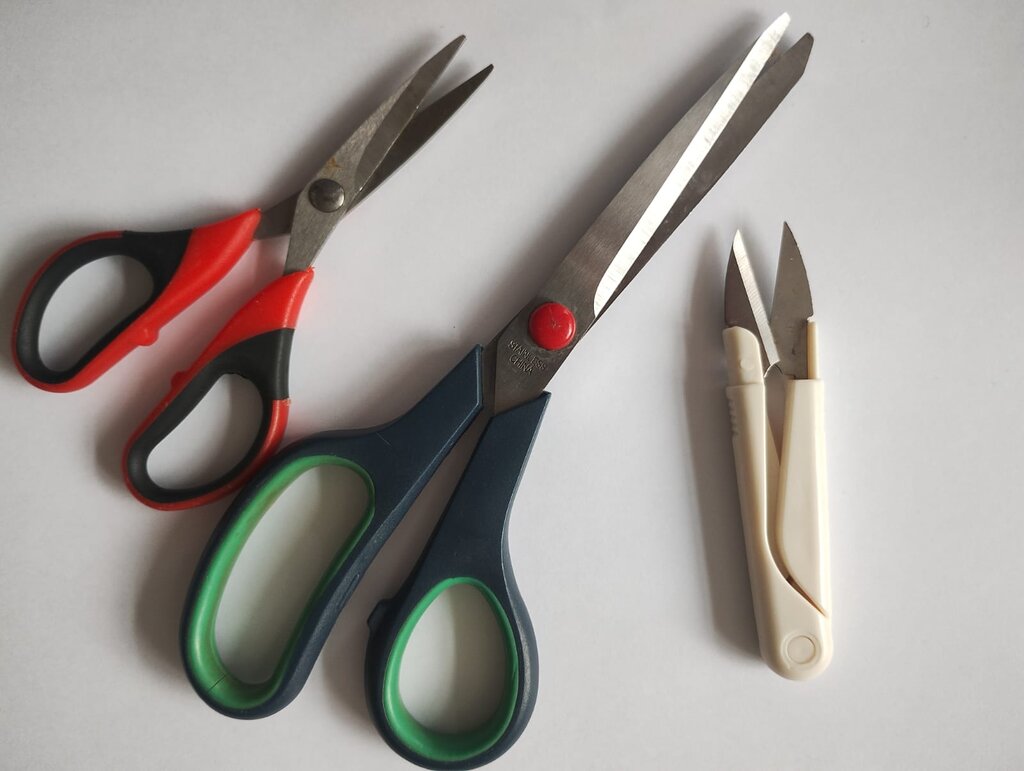
A good pair of scissors is a sewer's best friend. It’s wise to have at least two types: fabric shears and smaller thread snips. Your fabric shears should be sharp and used only for cutting fabric. Using them on paper will dull the blades quickly. A small pair of snips is perfect for trimming threads close to your fabric.
To cut fabric accurately, you first need to mark it. Tools like tailor's chalk or a fabric pencil let you draw cutting lines directly onto the material. These marks are temporary and brush or wash away easily.
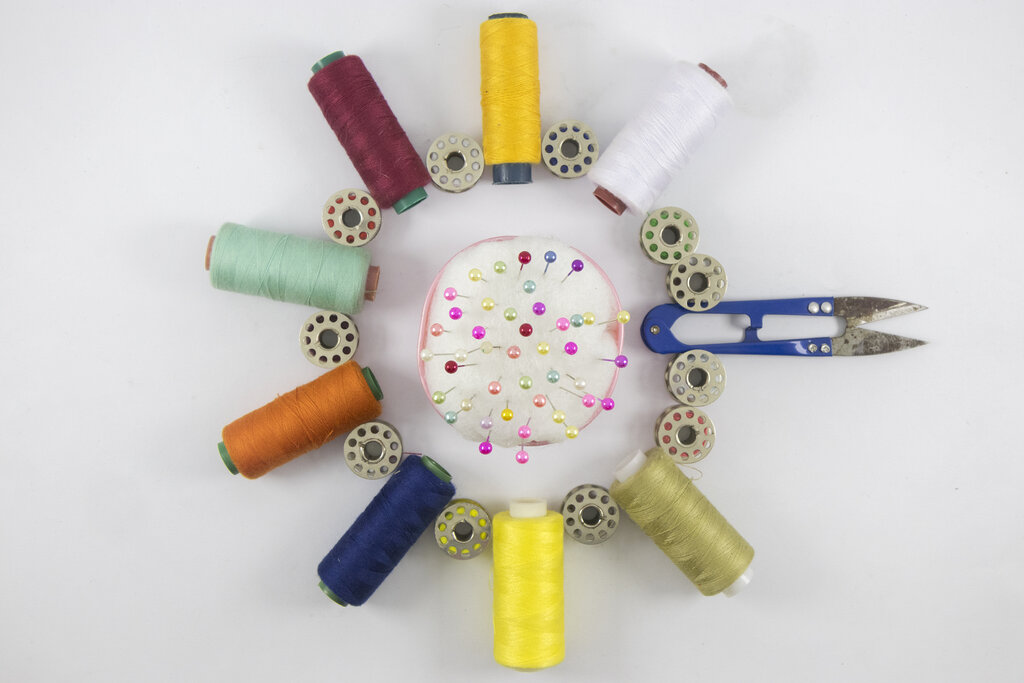
A flexible measuring tape is essential for taking body measurements and measuring curved edges. For straight lines, a clear ruler is also helpful. Pins and a pincushion are your go-to for holding pieces of fabric together before you sew. A thimble can protect your fingertip when you're doing any hand sewing.
And what about mistakes? Everyone makes them. A seam ripper is a small, pointed tool that lets you carefully undo stitches without damaging your fabric. It's a lifesaver.
seam ripper
noun
A small sewing tool used for cutting and removing stitches.
Needles, Thread, and Fabric
The needle and thread are the duo that does the actual work of joining fabric. Needles come in different sizes for both hand sewing and machine sewing. A general rule is to use a finer needle for delicate fabrics and a thicker, stronger needle for heavy materials like denim. Always make sure you're using the right type of needle for your machine.
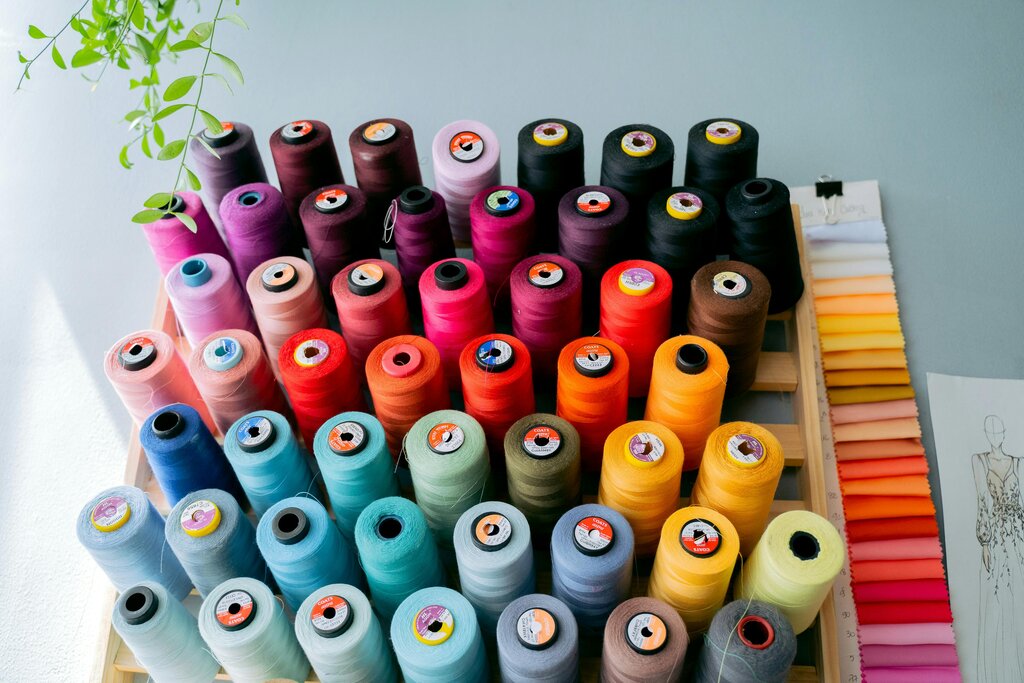
Thread also comes in different types and weights. The most common is all-purpose polyester thread, which works well for a wide range of fabrics. Cotton thread is great for sewing natural fibers like cotton or linen. A good practice is to choose a thread that matches your fabric's color and fiber content.
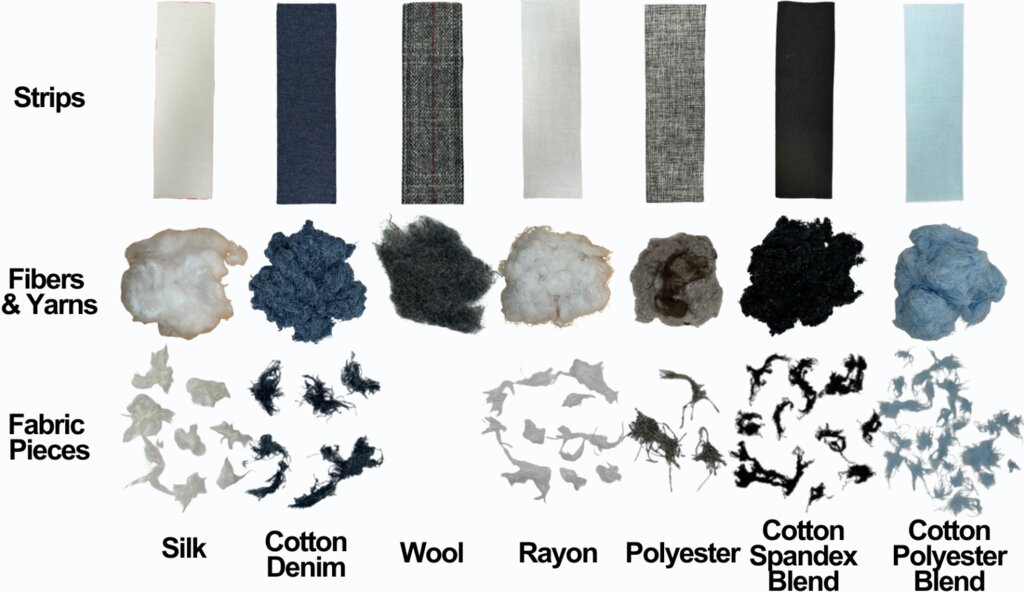
Finally, the fabric itself! Fabrics can be overwhelming because there are so many choices. They generally fall into two categories: wovens and knits. Woven fabrics like cotton, linen, and denim are stable and have very little stretch, making them great for beginners. Knit fabrics, like jersey, are stretchy and can be a bit trickier to handle.
For your first project, start with a simple, medium-weight woven cotton. It's easy to cut, doesn't slip around too much, and holds a press well.
Staying Safe
Sewing is a safe hobby, but it's important to be mindful. Keep pins in a pincushion or magnetic dish so they don't end up on the floor. When using a sewing machine, always know where your fingers are and keep them away from the needle. Be careful with sharp scissors and rotary cutters, and always unplug your machine when you're finished or changing the needle.
Now that you know the basic tools, let's test your knowledge.
What is the primary function of a seam ripper?
Why is it recommended to use fabric shears only for cutting fabric?
With these essentials in hand, you're ready to start your first project.