Introduction to Russia
Geography
A Land of Immense Scale
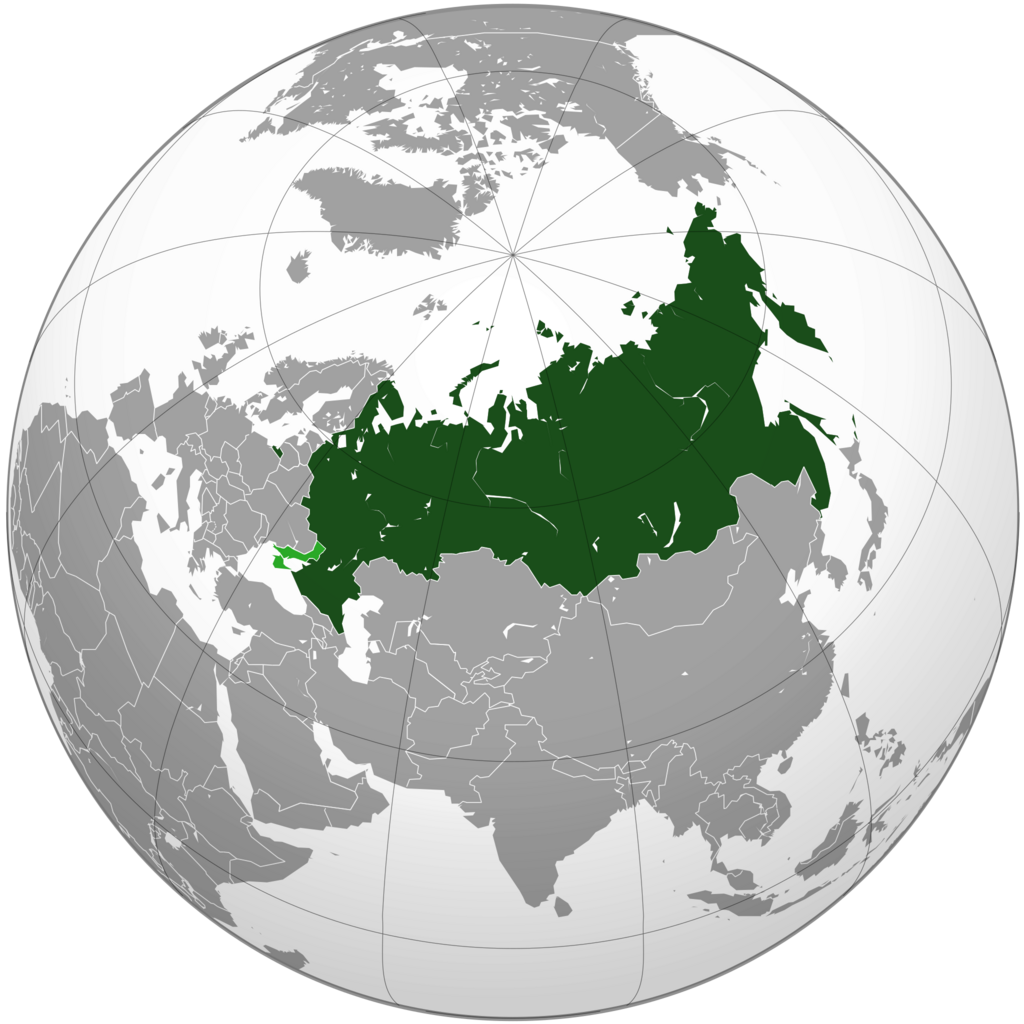
Russia is the largest country on Earth by a wide margin. Its territory stretches over 17 million square kilometers, covering more than one-eighth of the planet's inhabited land area. Spanning Eastern Europe and Northern Asia, it crosses eleven time zones.
This sheer size means Russia contains an incredible diversity of landscapes and environments. It borders more countries than any other nation and has coastlines on three oceans: the Atlantic, Pacific, and Arctic.
Mountains and Plains
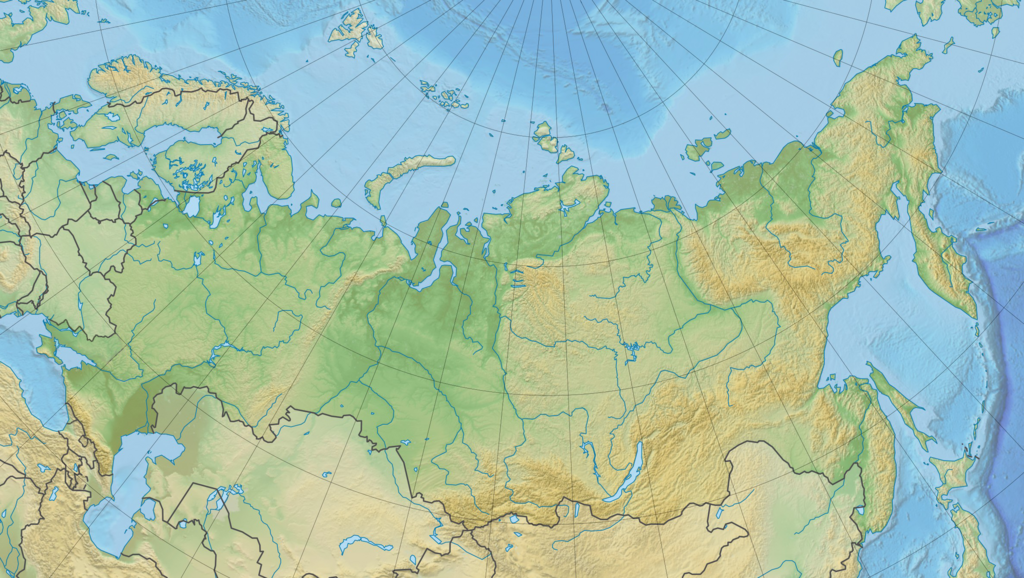
Russia's geography is defined by several major features. The Ural Mountains, a relatively low and ancient range, run north to south, forming the traditional boundary between Europe and Asia. To the west lies the vast East European Plain, where most of Russia's population lives.
East of the Urals is the West Siberian Plain, one of the largest flatland areas in the world. It's a region of harsh winters and extensive wetlands. Further south, the Caucasus Mountains line the border between Russia and countries like Georgia and Azerbaijan. This dramatic, young mountain range is home to Mount Elbrus, the highest peak in Europe.
Mighty River Systems
Russia is crisscrossed by thousands of rivers. The Volga River, located entirely in European Russia, is the longest river in Europe. It flows south into the Caspian Sea and has been a vital artery for trade and transportation for centuries.
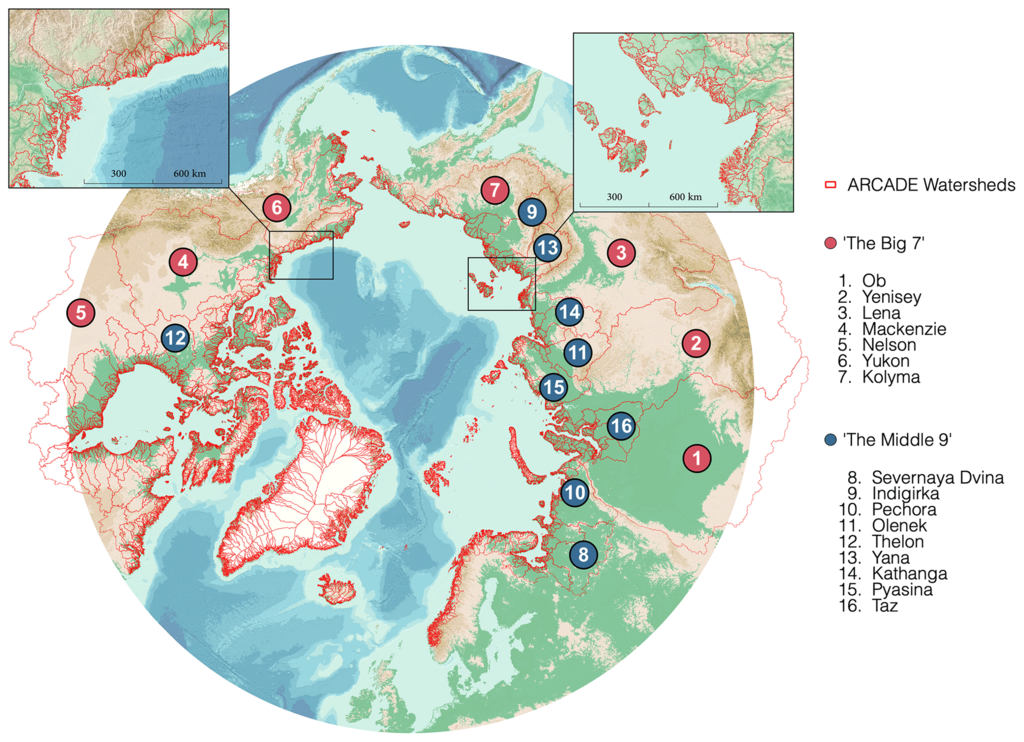
Siberia is dominated by three giant river systems: the Ob, the Yenisei, and the Lena. These rivers are among the longest in the world. They flow from the southern mountains northward across the vast plains, eventually emptying into the Arctic Ocean. For much of the year, their northern reaches are frozen solid.
A Spectrum of Climates
Given its size, Russia experiences a wide range of climates. The far north is a treeless, frozen landscape known as the Arctic tundra. South of the tundra lies the taiga, the world's largest forest biome, characterized by coniferous trees and long, severe winters.
Further south, the climate becomes more temperate, especially in the European part of the country. Along the Black Sea coast, Russia even has a humid subtropical climate, with mild winters and warm summers, making it a popular resort area. This climate diversity has a huge effect on where people live and what they can grow.
| Climate Zone | Location | Key Characteristics |
|---|---|---|
| Arctic Tundra | Northern Coast | Long, severe winters; permafrost; treeless. |
| Taiga | Siberia, Northern European Russia | World's largest coniferous forest; long, cold winters. |
| Humid Continental | European Russia, Southern Siberia | Four distinct seasons; cold winters, warm summers. |
| Steppe | Southern Russia | Dry, grassy plains; hot summers, cold winters. |
| Humid Subtropical | Black Sea Coast | Mild, wet winters; warm to hot summers. |
This geography profoundly shapes Russian life. The harsh conditions in Siberia and the Far East mean these vast areas are sparsely populated. The majority of the population clusters west of the Ural Mountains, where the climate is milder and the land is more suitable for agriculture.
The country's immense size and challenging terrain also influence its economy. Natural resources like oil, gas, and minerals are abundant, particularly in Siberia, but extracting and transporting them is a major logistical challenge.
Which mountain range is traditionally considered the dividing line between European and Asian Russia?
Why is the majority of Russia's population concentrated west of the Urals?
From the icy Arctic to the warm Black Sea, Russia's geography is a story of scale and extremes. Its mountains, plains, and rivers have shaped its history and continue to define its role in the world today.