Introduction to Role-Playing Games
Introduction to RPGs
What Are Role-Playing Games?
At its heart, a role-playing game (RPG) is a story you get to live inside. You don't just watch or read it; you become a character and make choices that shape the narrative. Think of it as a collaborative storytelling experience where your decisions truly matter.
In an RPG, you step into the shoes of a specific character, whether it's a brave knight, a cunning sorcerer, or a futuristic space pilot. You guide that character through a fictional world, interact with other characters, and overcome challenges. This can happen around a table with friends and dice, or on a screen in a vast digital world.
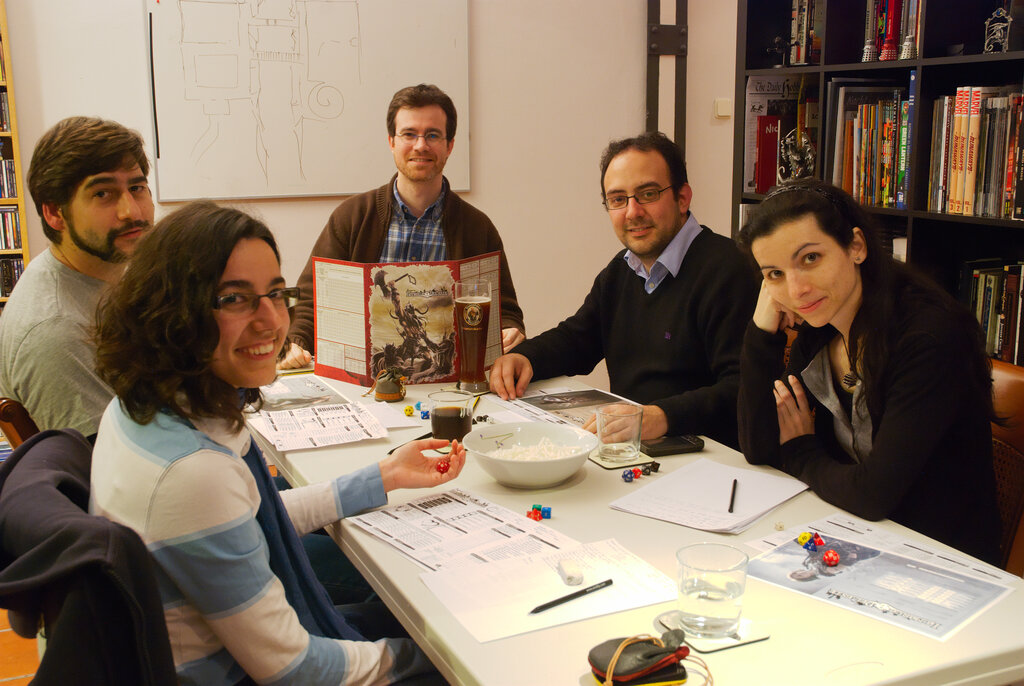
The goal is to become immersed in the story and your character's journey. Your actions, big and small, influence the plot and drive the adventure forward.
The Core Elements
While RPGs come in many forms, they usually share a few fundamental components that work together to create a compelling experience.
A good RPG is built on four pillars: the Character you play, the World you explore, the Story you experience, and the Progression you achieve.
Your character is your window into the game world. You create and customize them, defining their strengths, weaknesses, and personality. This character is your avatar, and you make decisions on their behalf.
The world is the setting for your adventure. It could be a high-fantasy kingdom, a gritty cyberpunk city, or a distant galaxy. This world has its own history, rules, and inhabitants, creating a rich backdrop for the story.
The story is the central plot that guides your journey. It presents conflicts to resolve, mysteries to uncover, and goals to achieve. Unlike a passive story, you are an active participant.
Finally, progression is the sense of growth and accomplishment. As you complete quests and overcome obstacles, your character becomes more powerful, learns new abilities, and acquires better gear. This journey from novice to hero is a key part of the appeal.
Living Another Life
The magic of an RPG lies in its immersiveness. You're not just controlling a pawn on a board; you're encouraged to think and act as your character. What would they say in this situation? How would they react to a betrayal? This is the essence of "role-playing."
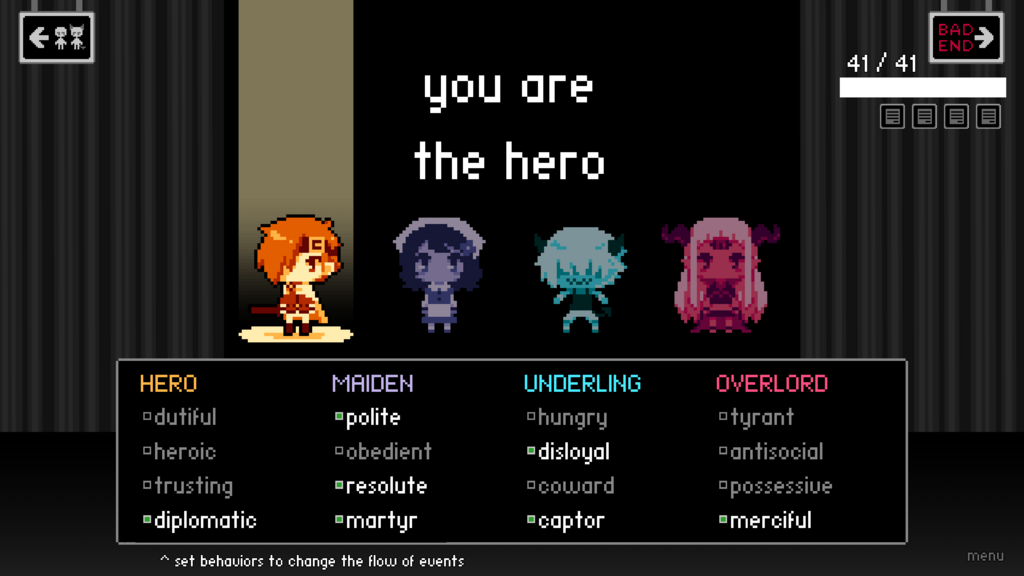
This process of character development isn't just about numbers and stats. It’s about building a persona. Your choices define your character's morality, relationships, and reputation within the game world. A decision to help a village in need might earn you allies, while a selfish act could have negative consequences down the line. This dynamic feedback makes the world feel alive and responsive to your actions.
Through this process, the character's story becomes your story.
An Interactive Narrative
Storytelling in an RPG is a two-way street. A movie has one ending, but an RPG can have many. The narrative unfolds based on your choices. Do you confront the villain head-on, or do you sneak into their fortress? Do you trust the mysterious stranger, or do you view them with suspicion? Each path can lead to different outcomes, making every playthrough a unique experience.
This player agency, the ability to make meaningful decisions that impact the story, is what sets RPGs apart. It transforms you from a spectator into a co-author of the adventure. The game presents a world and a problem, but how you navigate and solve it is up to you.
What is the core concept of a role-playing game (RPG)?
In an RPG, the sense of growth and accomplishment, where your character becomes more powerful and gains new abilities over time, is known as __________.
This freedom to explore, choose, and grow is what makes role-playing games such a powerful and enduring form of entertainment.