Introduction to Robotics
Introduction to Robotics
What is Robotics?
At its heart, robotics is about creating machines that can move and perform tasks automatically. Think of a robot as a machine that can sense its environment, make a decision based on what it senses, and then act on that decision. This simple loop—sense, think, act—is the fundamental principle behind all robots, from simple toys to complex rovers exploring other planets.
Robotics is the field of engineering that focuses on the design, construction, operation, and application of robots. It involves creating machines that can automate tasks, often with little or no human intervention, and are used in various personal, industrial, business, and day-to-day tasks.
The goal is often to build machines that can help humans, taking on jobs that are dangerous, dull, or require superhuman precision. Whether it's assembling a car, assisting in surgery, or vacuuming your living room, robots are designed to interact with the physical world in a purposeful way.
A Brief History
The idea of automated machines is ancient, but the modern field of robotics began to take shape in the 20th century. The word "robot" was first used in a 1920 play called R.U.R. (Rossum's Universal Robots) by Czech writer Karel Čapek. It comes from the Slavic word robota, meaning forced labor.
The first true industrial robot, called Unimate, was installed at a General Motors plant in 1961. This programmable arm was used to lift and stack hot pieces of metal, a dangerous job for any human. This marked the beginning of a new era in manufacturing. Early research in the 1960s and 70s pushed the boundaries of what was possible, combining mechanics with emerging computer technology.
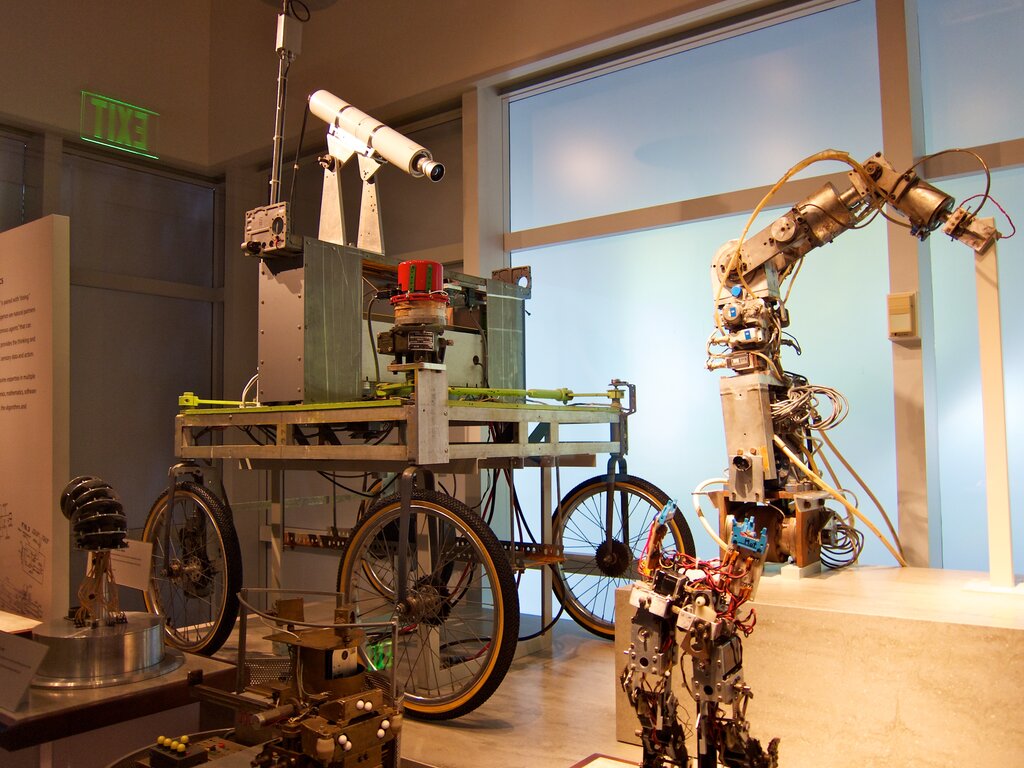
Since then, robotics has advanced rapidly. Robots have become smaller, smarter, and more capable. They've moved from factory floors to operating rooms, warehouses, and even our homes, driven by progress in computing power, sensors, and artificial intelligence.
A Mix of Disciplines
Building a robot isn't a one-person job, and it's not a single field of study. Robotics is fundamentally interdisciplinary, blending three major areas of engineering and science.
Here’s how they fit together:
-
Mechanical Engineering: This provides the robot's body. Mechanical engineers design the physical frame, joints, and mechanisms that allow a robot to move and interact with its environment.
-
Electrical Engineering: This creates the robot’s nervous system. Electrical engineers design the circuits, sensors, motors, and power systems that allow the robot to sense the world and physically move its parts.
-
Computer Science: This is the robot's brain. Computer scientists write the software that processes sensor data, makes decisions, and sends commands to the motors. This includes everything from basic control logic to advanced artificial intelligence.
Robots at Work
Today, robotics is transforming countless industries. The most visible impact is in manufacturing, where robots perform tasks like welding, painting, and assembly with incredible speed and precision. This has revolutionized how we make everything from cars to electronics.
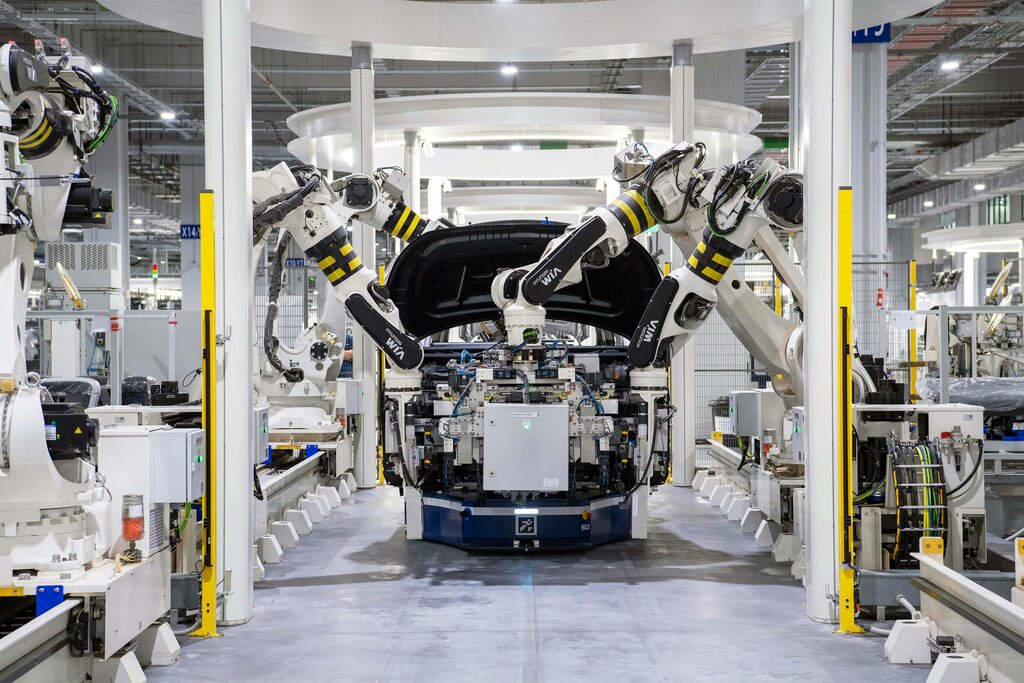
But their reach extends far beyond the factory floor. In medicine, surgical robots assist doctors in performing complex operations with greater accuracy. In logistics, autonomous robots manage inventory and sort packages in massive warehouses. In agriculture, they can monitor crop health and even harvest produce. They explore deep oceans, defuse bombs, and venture into space where humans can't easily go.
As technology continues to advance, robots will play an even greater role in our daily lives, helping to solve some of the world's most challenging problems.
Let's see what you've learned about the fundamentals of robotics.
What is the fundamental three-step loop that describes how all robots operate?
The word "robot" comes from the Slavic word robota. What is the meaning of robota?
That's a quick look at the world of robotics. It's a field built on a rich history of innovation, combining multiple disciplines to create machines that are changing the way we live and work.