Introduction to Robotics
Introduction to Robotics
What Is a Robot?
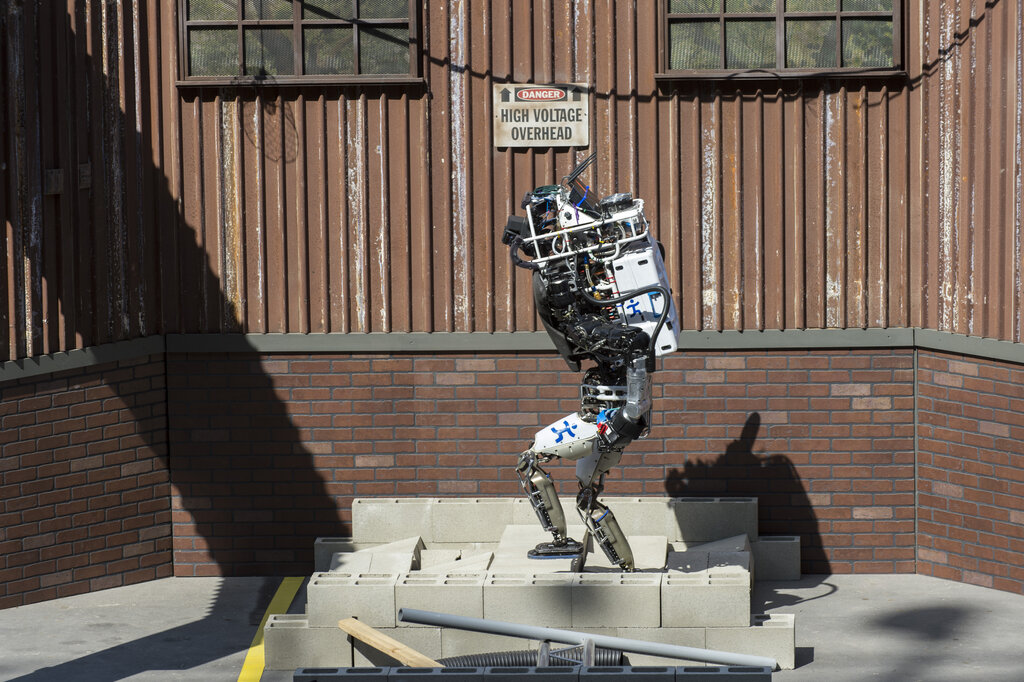
The word "robot" often brings to mind images from science fiction—walking, talking machines that look and act like people. While some advanced robots do have humanoid features, the reality is much broader. At its core, a robot is a machine designed to execute one or more tasks automatically with speed and precision.
The key feature is autonomy. A robot can operate on its own, following programmed instructions without constant human guidance.
These machines come in all shapes and sizes, from the robotic arms that assemble cars in factories to the tiny vacuums that clean our floors. The word itself has a curious origin. It comes from the Czech word robota, meaning "forced labor," and was first used in a 1920 play called R.U.R. (Rossum's Universal Robots) by Karel Čapek.
From Ancient Dreams to Modern Machines
The dream of creating artificial life is ancient. Long before electronics, inventors and storytellers imagined automatons—self-operating machines. Greek myths told of Hephaestus, the god of invention, who forged mechanical servants. Around 400 B.C., the Greek mathematician Archytas is said to have built a steam-powered mechanical pigeon that could fly.
During the Renaissance, Leonardo da Vinci sketched designs for a mechanical knight that could sit up, wave its arms, and move its head. These early concepts were marvels of mechanical engineering, powered by gears, weights, and water. They laid the conceptual groundwork for the machines we build today.
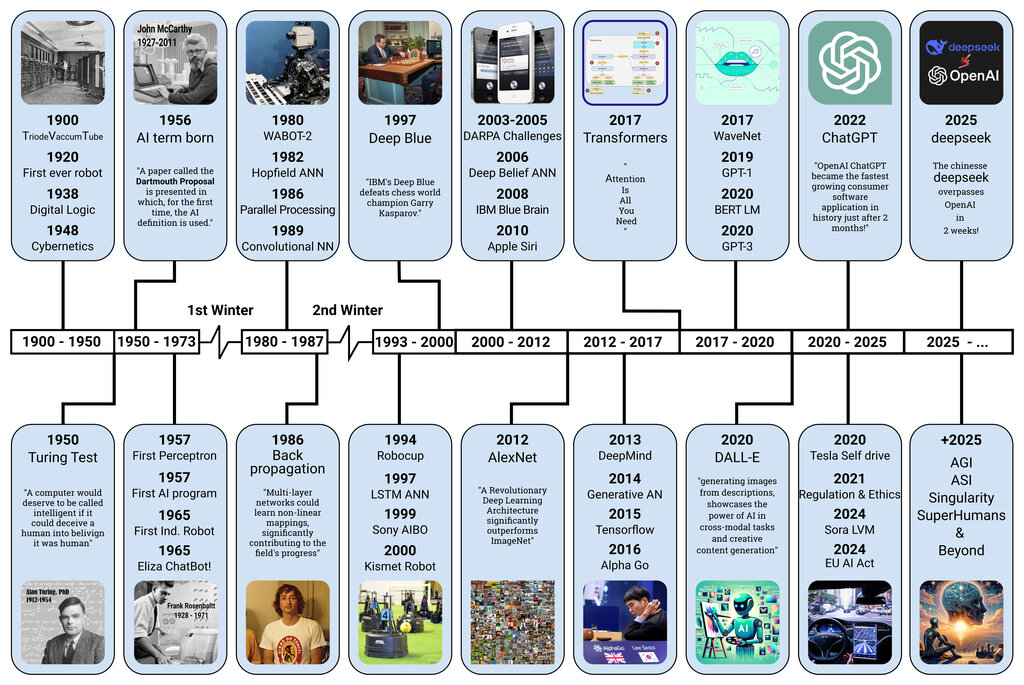
The 20th century marked a turning point. The invention of the transistor and the integrated circuit made modern computers possible, which in turn gave robots their "brains." In 1961, the first industrial robot, called Unimate, began work on a General Motors assembly line. This arm-like machine could lift and stack hot pieces of metal, a dangerous job for humans. This was the true beginning of the robotics revolution.
A Field of Many Talents
Creating a robot isn't a one-person job. It requires a blend of different fields, making robotics a truly interdisciplinary science.
Robotics engineering is inherently interdisciplinary, requiring knowledge across multiple domains—mechanical engineering, electrical engineering, computer science, AI, and control theory.
Let's break down what that means:
-
Mechanical Engineering: This is the robot's body. Mechanical engineers design the physical structure, joints, and actuators that allow a robot to move and interact with its environment.
-
Electrical Engineering: This is the nervous system. Electrical engineers handle the circuits, sensors, and power systems that send and receive signals, allowing the robot to sense the world and power its movements.
-
Computer Science: This is the brain. Computer scientists write the programs and algorithms that control the robot's behavior. This includes everything from simple command sequences to complex artificial intelligence that allows a robot to learn and make decisions.
These three fields must work together seamlessly. A well-designed body is useless without the electrical systems to power it, and both are useless without the code to tell them what to do. This collaboration is what makes building robots both challenging and incredibly rewarding.
Now, let's test your understanding of the fundamentals of robotics.
The word "robot" originates from a word in which language?
A team is developing a robot's ability to see and identify objects using cameras. Which discipline is primarily responsible for writing the algorithms to process the visual data?
From ancient automata to modern assembly lines, the history of robotics is a story of human ingenuity. By blending mechanics, electronics, and software, we can create machines that extend our own abilities in remarkable ways.