Introduction to Robotics
Introduction to Robotics
What is a Robot?
At its core, robotics is the science of designing, building, and using robots. These aren't just characters from movies. They are machines designed to perform tasks automatically, either with direct human control, on their own, or with some combination of the two.
Robotics is the field of engineering that focuses on the design, construction, operation, and application of robots. It involves creating machines that can automate tasks, often with little or no human intervention, and are used in various personal, industrial, business, and day-to-day tasks.
The idea isn't new. For centuries, people have imagined automated machines. But modern robotics truly began to take shape in the 20th century, growing alongside the development of computers. Early robots were simple, programmed for one specific, repetitive job. As technology advanced, so did their capabilities, leading to the sophisticated machines we see today.
More Than Just Metal
Creating a robot requires a team effort from several different fields. It's an interdisciplinary puzzle, with each piece being crucial.
Think of a robot like a person. The physical body, the skeleton and muscles that allow it to move and interact with the world, comes from mechanical engineering. This involves designing the frame, joints, and any grippers or tools it might use.
The nervous system, carrying signals and power, is the domain of electrical engineering. This includes the sensors that let the robot see or feel, the motors that drive its movement, and all the wiring that connects everything.
Finally, the brain is the software, a product of computer science and programming. This is what allows the robot to understand its instructions, process information from its sensors, and make decisions about what to do next. All three parts must work together seamlessly for the robot to function.
Robots in the Real World
Robots are no longer confined to labs or science fiction. They are all around us, performing a huge variety of jobs.
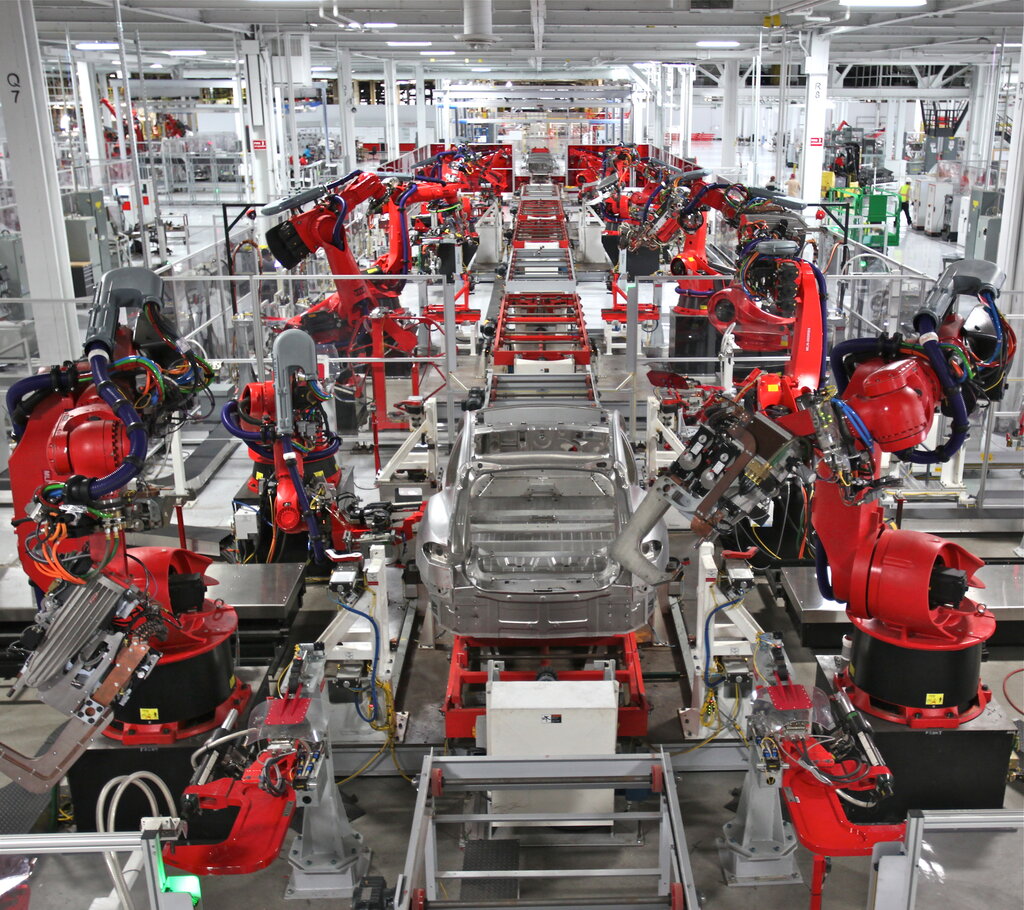
One of the most common types is the industrial robot. These are often large arms that work on assembly lines, doing tasks that are dangerous, difficult, or just plain repetitive for humans. They can weld, paint, and assemble products with incredible precision and speed.
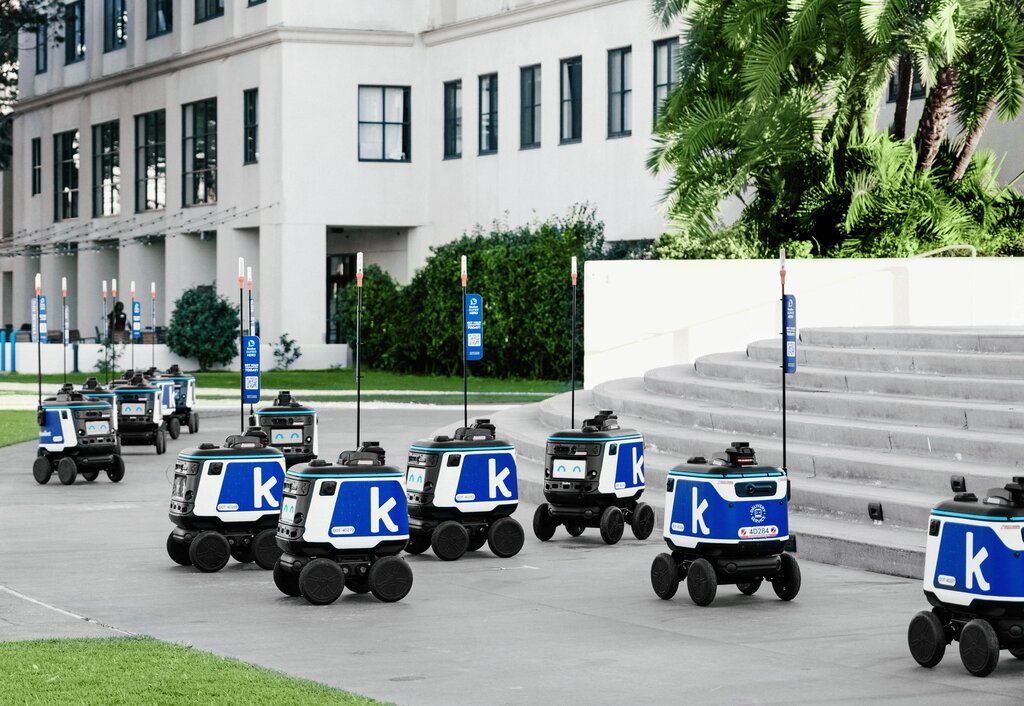
Service robots work more directly with people. This is a broad category that includes everything from robotic vacuum cleaners in our homes to autonomous delivery bots navigating city sidewalks. They help with logistics, customer service, and daily chores.
The applications continue to expand. Medical robots assist surgeons, allowing for less invasive procedures and greater accuracy. Exploration robots travel to places humans can't easily go, like deep oceans or the surface of Mars. From farming to entertainment, robots are changing how we work and live.
The main goal of robotics is to create machines that can make human tasks easier, safer, and more efficient.
Let's check your understanding of these fundamental concepts.
Which engineering discipline is primarily responsible for creating a robot's software, allowing it to process information and make decisions?
A robotic vacuum cleaner that autonomously navigates a home is best classified as which type of robot?
As you can see, robotics is a vast and growing field, built on a foundation of different sciences and finding new ways to impact our world every day.