Introduction to Robotics
Introduction to Robotics
What Is Robotics?
Robotics is the science and engineering behind the design, construction, and operation of robots. It's a field that pulls from many disciplines, including mechanical engineering, electrical engineering, and computer science.
Robotics is a branch of technology that deals with the design, construction, operation and use of robots.
At its core, robotics is about creating machines that can move and perform tasks automatically. These machines, or robots, are built to interact with the physical world. They can be anything from a simple arm on an assembly line to a complex rover exploring another planet. The goal is often to automate tasks that are repetitive, difficult, or dangerous for humans.
A Brief History of Robots
The idea of automated machines isn't new. For centuries, people have been fascinated with creating artificial beings. Ancient myths from Greece and China tell stories of mechanical servants and automated figures. Leonardo da Vinci even sketched plans for a mechanical knight in the late 15th century.
But the modern concept of a robot began to take shape in the 20th century. The word "robot" itself comes from the Czech word robota, meaning "forced labor." It was first used in a 1920 play called R.U.R. (Rossum's Universal Robots) by Karel Čapek.
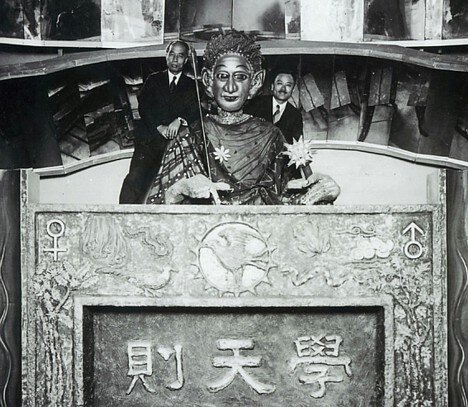
These early ideas were mostly science fiction. The first real, programmable robots didn't appear until the mid-20th century, powered by advances in electronics and computers. These machines were a long way from the walking, talking robots of stories, but they marked a huge step forward.
Major Milestones
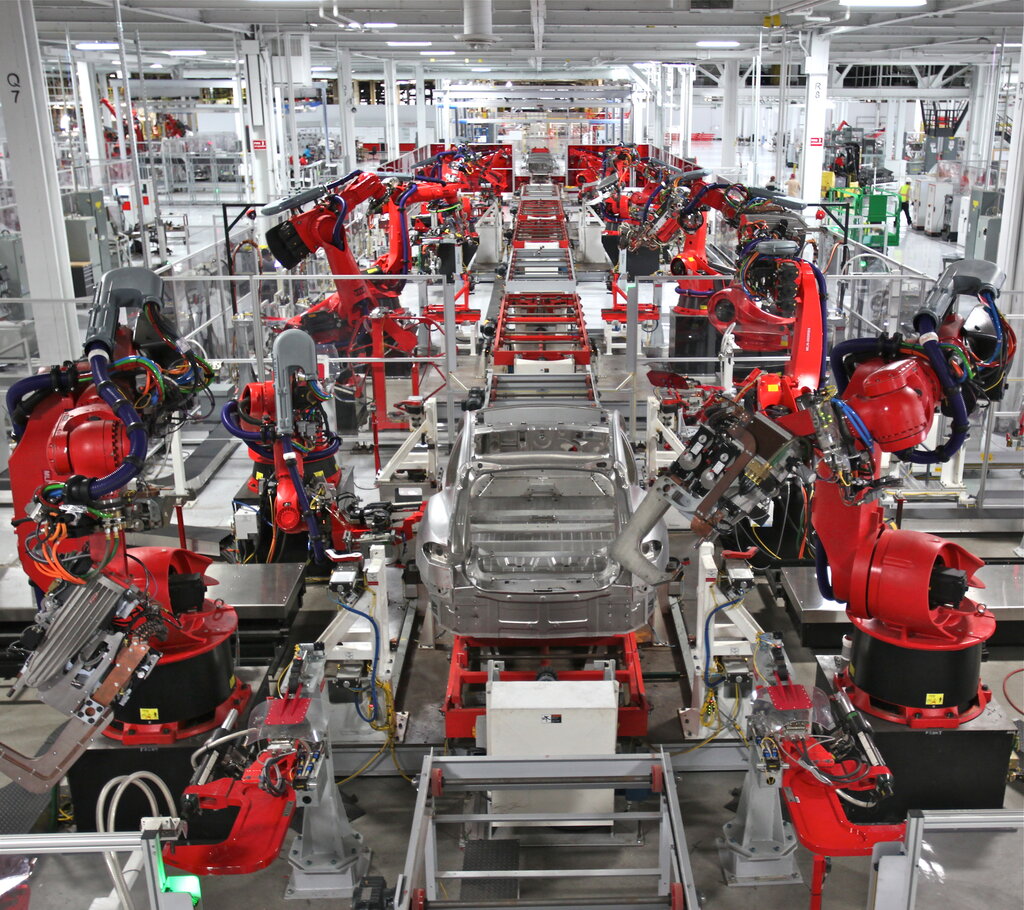
The field of robotics exploded in the 1950s and 60s. A key moment came in 1961 with the installation of Unimate, the world's first industrial robot. This robotic arm went to work on a General Motors assembly line, lifting and stacking hot pieces of metal. It was a dangerous job for humans, but perfect for a machine.
Unimate's success opened the floodgates. Factories, especially in the automotive industry, began adopting robots to weld, paint, and assemble cars. This new wave of automation made manufacturing faster, cheaper, and more consistent.
Another major area of development was space exploration. In the 1970s, NASA's Viking 1 lander used a robotic arm to collect samples on Mars. Since then, rovers like Spirit, Opportunity, and Perseverance have become our robotic eyes and hands on the Red Planet, performing scientific experiments far from home.
As computer technology advanced, so did robotics. The development of microprocessors in the 1970s allowed for smaller, smarter, and more affordable robots. In recent years, breakthroughs in artificial intelligence (AI) have given robots the ability to learn, adapt, and make decisions on their own.
Robotics in Industry
The impact of robotics on industry has been profound. In manufacturing, robots perform tasks with a level of precision and endurance that humans can't match. They work 24/7 without getting tired, leading to massive gains in productivity and quality.
But the influence of robotics extends far beyond the factory floor. In logistics, fleets of autonomous robots manage warehouses, sorting and moving packages with incredible efficiency.
The medical field is also being transformed. Surgeons use robotic systems to perform complex procedures with greater accuracy and smaller incisions, which can lead to faster recovery times for patients. Robots also assist with lab work and help care for the elderly.
From building cars to exploring planets, robotics has become an essential part of the modern world. It continues to push the boundaries of what's possible, changing how we work, live, and explore.
Let's check your understanding of these foundational concepts.
The word "robot" was first introduced to the public in what context?
What was the primary function of Unimate, the world's first industrial robot?
Understanding the history and definition of robotics is the first step. Next, we'll explore the different types of robots that exist today.