Introduction to Robotics
Introduction to Robotics
What Is a Robot?
The word “robot” might bring to mind images from movies — walking, talking machines that look and act like people. While some robots are designed that way, the reality is much broader and, in many ways, more interesting.
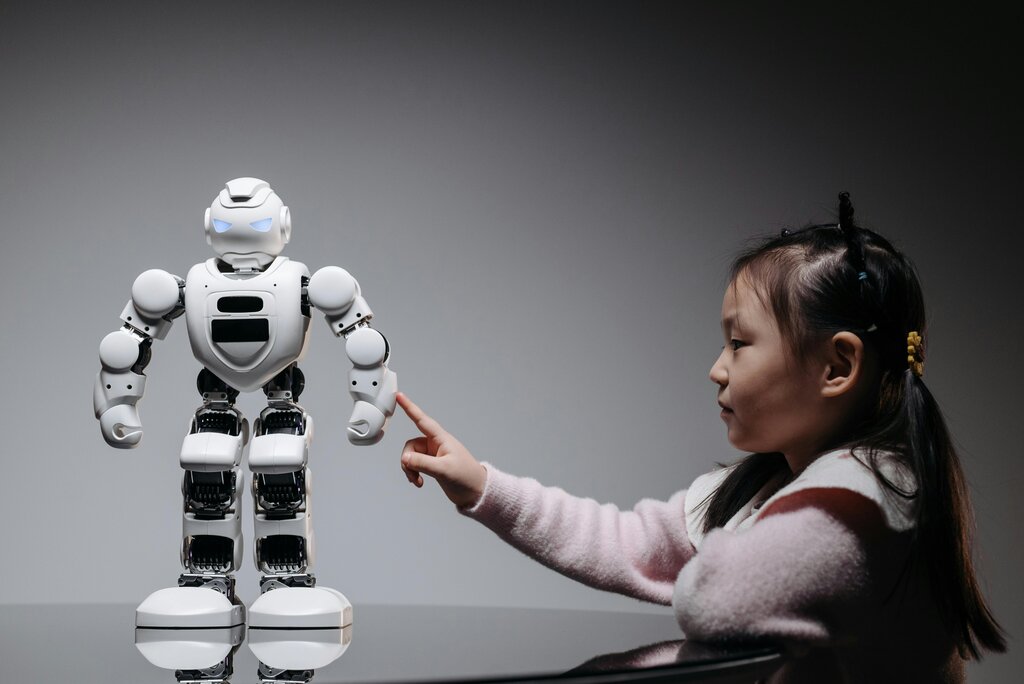
At its core, a robot is a machine capable of carrying out a complex series of actions automatically, especially one programmable by a computer. It senses its environment, processes that information, and acts upon it. This simple formula — sense, think, act — is the foundation of all robotics.
robotics
noun
The branch of technology that deals with the design, construction, operation, and application of robots.
It’s a field that blends different areas of expertise to create these amazing machines.
Robotics, as a field, integrates hardware design, artificial intelligence, and control theory to create autonomous systems capable of perceiving, reasoning, and acting in dynamic environments.
A Quick Trip Through Time
The idea of automated machines isn't new. For centuries, people have been fascinated with creating mechanical beings. Early examples include ancient water clocks and medieval automatons. But the modern concept of robotics truly began to take shape in the 20th century.
The word “robot” was first used in the 1920 Czech play R.U.R. (Rossum's Universal Robots). It comes from the Slavic word robota, which means forced labor. The play depicted artificial workers, a theme that has stayed with the field ever since.
Things got real in 1961 with the installation of Unimate, the first industrial robot. This robotic arm worked on an assembly line at a General Motors plant, lifting and stacking hot pieces of metal — a dangerous and unpleasant job for humans. This marked the beginning of robotics in manufacturing.
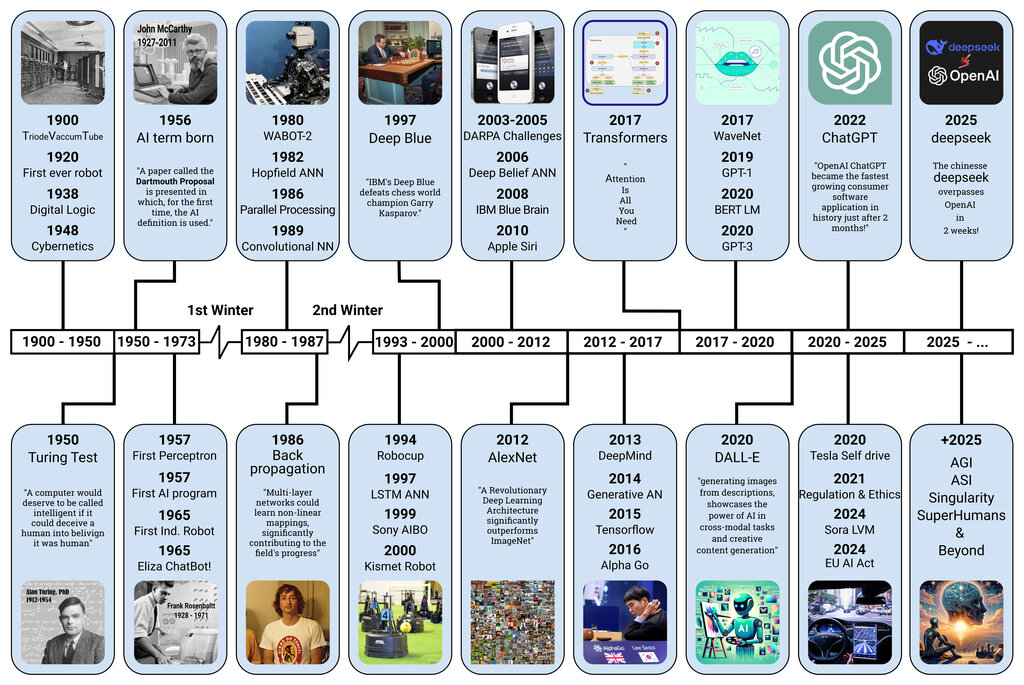
From that point on, advances in computer science and engineering pushed robotics forward. Robots became smarter, more mobile, and more capable, evolving from simple arms into the complex systems we see today.
Why Robotics Matters
Robotics is more than just a fascinating area of technology; it has a profound impact on our world. The primary significance of robotics lies in its ability to automate tasks, improve efficiency, and perform actions that are difficult or impossible for humans.
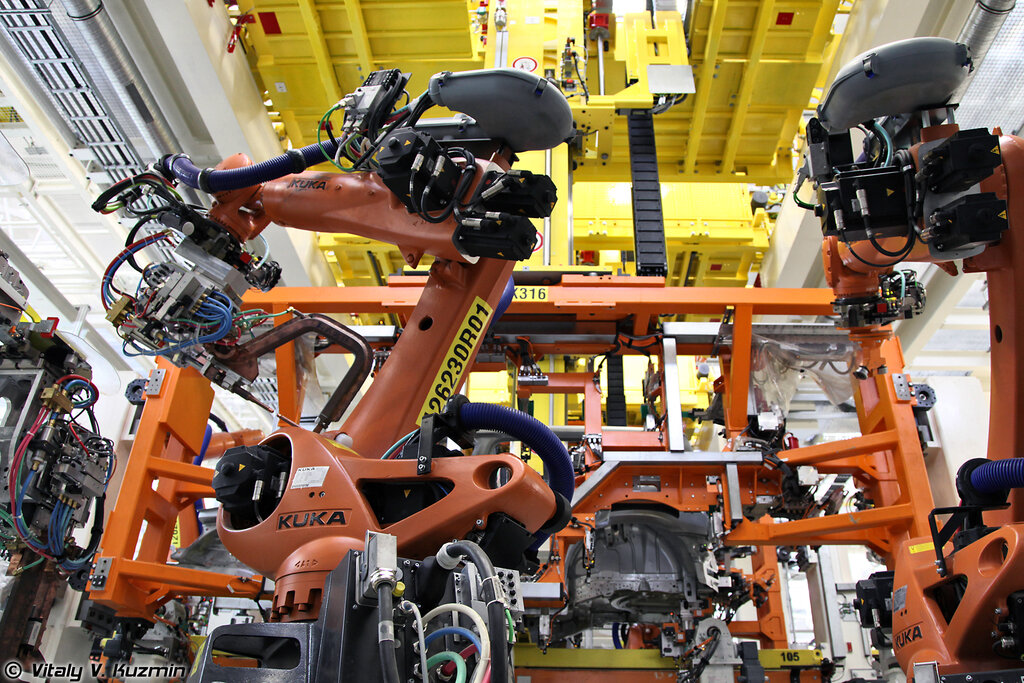
In manufacturing, robots work with a level of precision and endurance that humans can't match, leading to higher quality products. In the medical field, they assist surgeons in performing delicate operations with greater accuracy. They also venture into places humans can't easily go, from the deep sea to the surface of Mars, expanding our ability to explore and gather knowledge.
Robots are changing the way we work, live, and learn. They handle dangerous jobs, like defusing bombs or working with hazardous materials, making workplaces safer. As they become more integrated into society, they are helping to solve some of our biggest challenges in healthcare, transportation, and environmental management.
The goal of robotics isn't just to build machines, but to create tools that extend human capabilities and improve our quality of life.
Let's check your understanding of these core concepts.
What are the three fundamental actions that define a robot's core operation, often described as a loop?
The word "robot" was introduced in the 1920 Czech play R.U.R. and is derived from the Slavic word robota. What is the meaning of robota?
Understanding the basics of what robotics is, where it came from, and why it's important provides a strong foundation for exploring this exciting and fast-growing field.