Introduction to Robotics
Introduction to Robotics
What is Robotics?
At its heart, robotics is the science and engineering of creating machines that can move and perform tasks on their own. These machines, called robots, are designed to interact with the physical world, often doing jobs that are difficult, dangerous, or repetitive for humans.
Robotics is the field of engineering that focuses on the design, construction, operation, and application of robots. It involves creating machines that can automate tasks, often with little or no human intervention, and are used in various personal, industrial, business, and day-to-day tasks.
Creating a robot isn't the job of just one type of expert. It's a team sport that brings together several different fields of study. Think of it like building a person from scratch. You'd need a skeleton and muscles, a nervous system, and a brain. Robotics works the same way.
- Mechanical Engineering provides the physical body of the robot—its frame, joints, and mechanisms that allow it to move.
- Electrical Engineering creates the nervous system, managing the flow of electricity through circuits, sensors, and motors.
- Computer Science gives the robot its brain. This is the programming and artificial intelligence that allows a robot to perceive its environment, make decisions, and execute tasks.
A Quick Trip Through Time
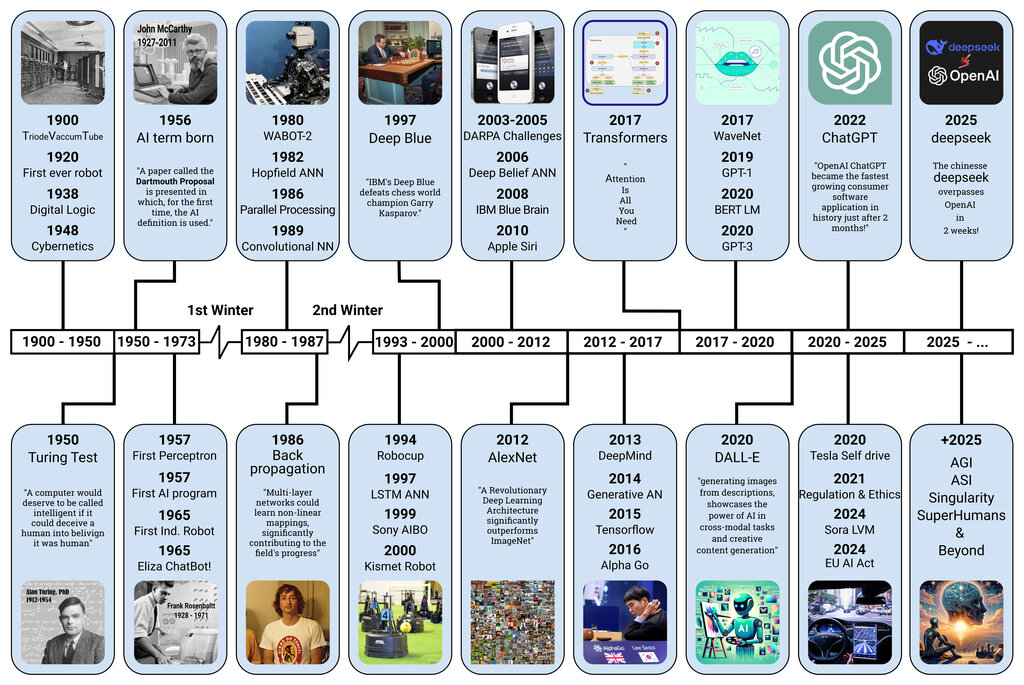
The idea of automated machines isn't new. For centuries, people have imagined and built automatons—self-operating mechanical figures. But the modern field of robotics truly began to take shape in the 20th century. The word "robot" itself comes from the Czech word robota, meaning "forced labor," and was first used in a 1920 play.
A pivotal moment came in 1961 with the introduction of Unimate, the first industrial robot. Created by George Devol and Joseph Engelberger, this robotic arm worked on an assembly line at a General Motors plant. It could lift and stack hot pieces of metal, a dangerous job for humans.
Another major step forward was the Stanford Arm, developed in 1969. It was one of the first robot arms controlled by a computer, paving the way for more precise and versatile machines.
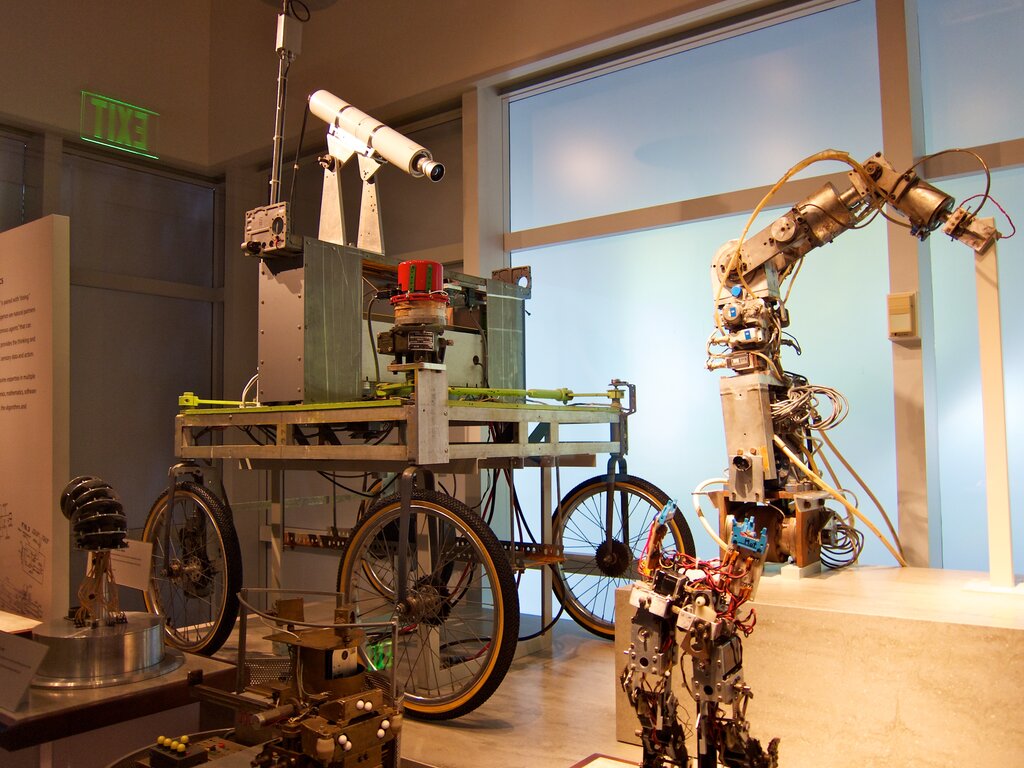
Since then, progress has accelerated. Robots have become smaller, smarter, and more capable. They've journeyed to Mars, explored the deep sea, and become a common sight in factories and warehouses.
Why Robotics Matters
Robotics is changing the world in profound ways. In manufacturing, robots perform tasks with a level of speed and precision that humans can't match, leading to better products and safer workplaces. They handle everything from welding car frames to packaging delicate electronics.
In medicine, surgical robots assist doctors in performing complex operations with greater accuracy and smaller incisions, which can lead to faster recovery times for patients. In logistics, fleets of robots sort and move packages in massive warehouses, making next-day delivery possible.
Beyond industry, robotics is starting to enter our daily lives. Robotic vacuums clean our floors, and advanced prosthetics help people regain mobility. As technology continues to evolve, robots will play an even larger role in assisting with elder care, education, and exploration.
The goal of robotics isn't to replace humans, but to extend our capabilities and free us up to focus on creativity, problem-solving, and tasks that require a human touch.
Now, let's test your understanding of the basics of robotics.
Which combination of fields forms the foundation of robotics, often compared to a robot's body, nervous system, and brain?
The first industrial robot, introduced in 1961 to work on a General Motors assembly line, was named ______.
This introduction has covered the fundamentals of what robotics is, where it came from, and why it's such an important field today. By combining engineering and computer science, robotics continues to push the boundaries of what's possible.