Introduction to Risk Management
Introduction to Risk Management
What Is Risk?
At its core, risk is simply the effect of uncertainty on what you're trying to achieve. Think about crossing the street. The objective is to get to the other side safely. The uncertainty is whether a car might be coming. That uncertainty creates risk.
In a business context, it's the same idea on a larger scale. An organization has objectives, like increasing profits or launching a new product. Uncertainty comes from many places: market shifts, new competitors, supply chain disruptions, or even technological changes. Risk is how this uncertainty could affect the company's goals.
Importantly, risk isn't always negative. Uncertainty can create opportunities just as easily as it can create threats. A competitor's failure could be a chance for you to gain market share.
So, we can define risk as the potential for an event to occur and adversely or favorably affect the achievement of objectives.
The Goal of Risk Management
Since risk is a natural part of any endeavor, the goal isn't to eliminate it entirely. That's impossible. Instead, the objective of risk management is to make informed decisions in the face of uncertainty.
It’s about understanding potential outcomes so you can control, and prepare for, what might happen. A well-managed organization doesn't fly blind; it anticipates challenges and opportunities. The primary goals are to:
- Protect value: Safeguard the organization's assets, people, and reputation.
- Enable smart decisions: Provide leaders with clear insights into potential upsides and downsides.
- Support objectives: Increase the likelihood of achieving strategic goals and succeeding in the long run.
- Boost resilience: Help the organization withstand and recover from unexpected events.
Risk management is the systematic process of identifying, assessing, and controlling threats and deviations from the expected, which can impact an organization’s ability to reach their objectives.
The Benefits of a Structured Approach
Walking into the future without a plan for risk is like sailing without a map or a weather forecast. You might be fine, or you might sail directly into a storm. A structured approach to risk management acts as your navigation system.
Organizations that actively manage risk see clear benefits. They experience fewer surprises, which means less time putting out fires and more time focused on growth. They can allocate resources more effectively, directing money and effort toward the most significant opportunities while protecting against the most critical threats.
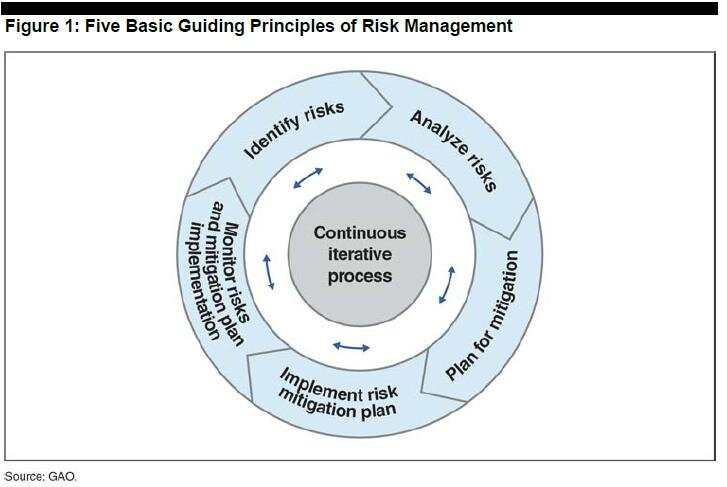
Furthermore, a transparent risk management process builds confidence among stakeholders, from investors and customers to employees and regulators. It shows that the organization is well-run and prepared for the future. This proactive stance not only prevents losses but also helps the organization confidently seize opportunities that others might see as too risky.
Guiding Principles from ISO 31000
To help organizations manage risk effectively, the International Organization for Standardization (ISO) developed ISO 31000, a set of guidelines and principles. It’s not a standard you get certified against, but rather a framework for best practices. It's built on several key principles that define a successful risk management program.
Let's break these down:
- Integrated: Risk management isn't a side task. It should be woven into every process and decision, from strategic planning to daily operations.
- Structured and comprehensive: A systematic approach ensures that risks are identified and managed consistently and effectively across the entire organization.
- Customized: Every organization is different. The risk management framework must be tailored to the company's specific goals, culture, and external environment.
- Inclusive: Involving stakeholders at all levels is crucial. Their knowledge, perspectives, and concerns provide a more complete picture of the risks and opportunities.
- Dynamic: The world changes, and so do risks. The process must be iterative and responsive to new information and shifts in the internal or external context.
- Best available information: Decisions should be based on a combination of historical data, expert opinion, stakeholder feedback, and forward-looking analysis.
- Human and cultural factors: Acknowledge that people's perceptions, biases, and behaviors influence every aspect of risk management. A strong, risk-aware culture is a powerful asset.
- Continual improvement: Risk management is a journey, not a destination. Organizations should constantly learn from experience and adapt their approach to become more effective over time.
By embracing these principles, an organization can move from simply reacting to problems to proactively shaping its future.
Time to check your understanding.
What is the most accurate definition of risk?
The primary goal of risk management is to completely eliminate all possible risks.