Introduction to Reflexology
Introduction to Reflexology
What Is Reflexology?
Reflexology is a type of therapy that involves applying pressure to specific points on the feet, hands, and ears. The core idea is that these points act like a remote control for the rest of your body. Practitioners believe these reflex points correspond to different organs, glands, and systems.
Think of your feet as a map of your body. The toes might relate to the head and brain, the arch could correspond to the spine, and the ball of the foot might connect to the heart and chest. By applying pressure to these areas, a reflexologist aims to create a positive response in the corresponding body part, helping to restore balance.
This practice is non-invasive and is often used alongside other treatments. It's not about diagnosing or curing disease, but rather about promoting relaxation and supporting the body's natural ability to heal.
A Quick Trip Through Time
The idea of using pressure points for healing isn't new. Evidence suggests similar practices existed in ancient Egypt and China thousands of years ago. These early cultures understood that stimulating one part of the body could have effects elsewhere.
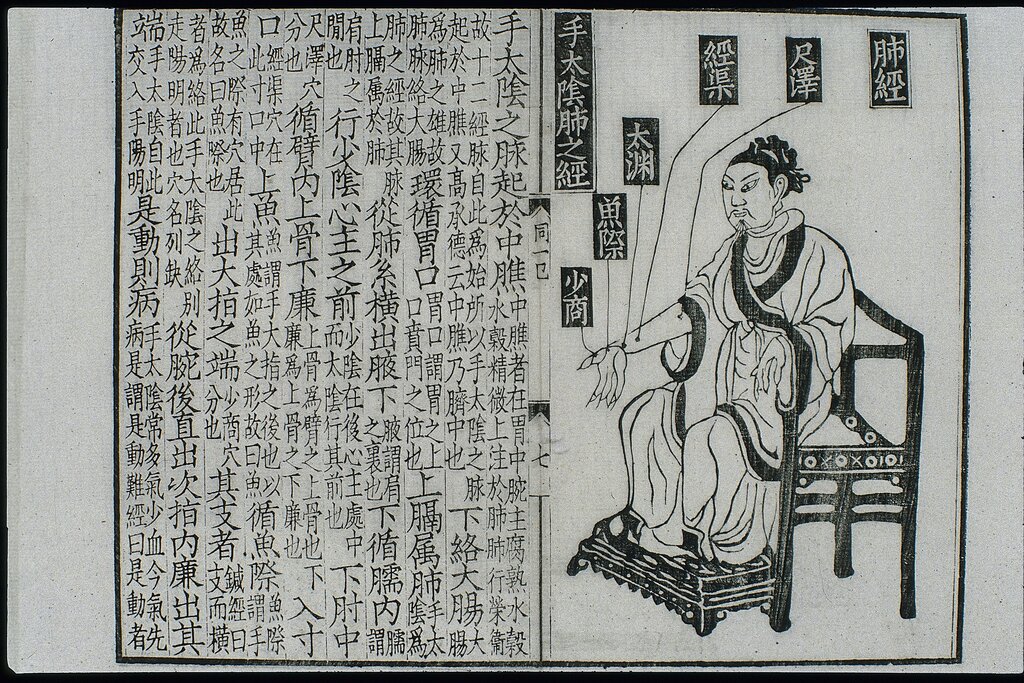
Modern reflexology, however, began to take shape in the early 20th century. Dr. William H. Fitzgerald, an ear, nose, and throat specialist, developed a theory called "Zone Therapy." He proposed that the body could be divided into ten vertical zones, from the head down to the toes. He found that applying pressure to one part of a zone could create a numbing effect in another part of the same zone.
In the 1930s, a physical therapist named Eunice D. Ingham took Dr. Fitzgerald's work a step further. She meticulously mapped the entire body onto the feet, creating the detailed reflexology charts still used today. Ingham is often called the "mother of modern reflexology" for her pioneering work in refining and popularizing the therapy.
How It Can Help
People seek out reflexology for many reasons, but the most common reported benefits are deep relaxation and improved circulation. Stress can tighten the cardiovascular system and cause tension throughout the body. The gentle, firm pressure of reflexology may help calm the central nervous system, lowering stress and allowing the body to enter a more relaxed state.
The primary goal of a reflexology session is often to reduce stress and promote a sense of calm and well-being.
By stimulating thousands of nerve endings in the feet, reflexology is also thought to improve blood and lymph circulation. Better circulation means more oxygen and nutrients can reach cells throughout the body, and waste products can be removed more efficiently. This can lead to increased energy levels and an overall feeling of better health.
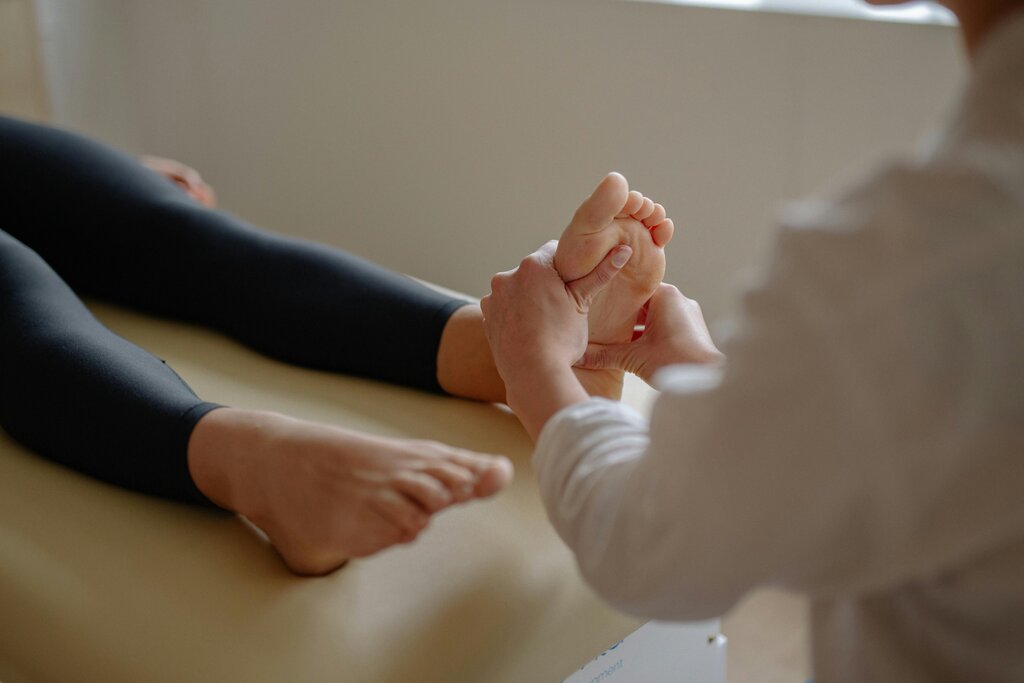
It's a complementary therapy, meaning it's designed to work alongside conventional medical care, not replace it. Now, let's review what you've learned.
What is the core principle of reflexology?
Who is considered the 'mother of modern reflexology' for meticulously mapping the entire body onto the feet?
By understanding its history and basic principles, you can better appreciate how this therapy aims to support overall wellness.