Introduction to RCC Structural Design
Introduction to RCC
The Perfect Partnership
Concrete is fantastic at resisting squeezing forces. You can stack immense weight on a block of concrete, and it will hold up just fine. This is called compressive strength. But if you try to pull it apart or bend it, it cracks easily. It has very poor tensile strength.
Steel is the opposite. It's incredibly strong when you pull on it, which is why it's used for cables and ropes. This is tensile strength. So, what if you could combine the best of both worlds?
That's exactly what Reinforced Cement Concrete, or RCC, does. It's a composite material made by embedding steel bars, known as reinforcement or rebar, inside concrete. The concrete handles the compression, and the steel handles the tension.
Reinforced Cement Concrete combines the compressive strength of concrete with the tensile strength of steel.
This partnership creates a material that is strong, durable, and incredibly versatile, forming the backbone of modern construction.
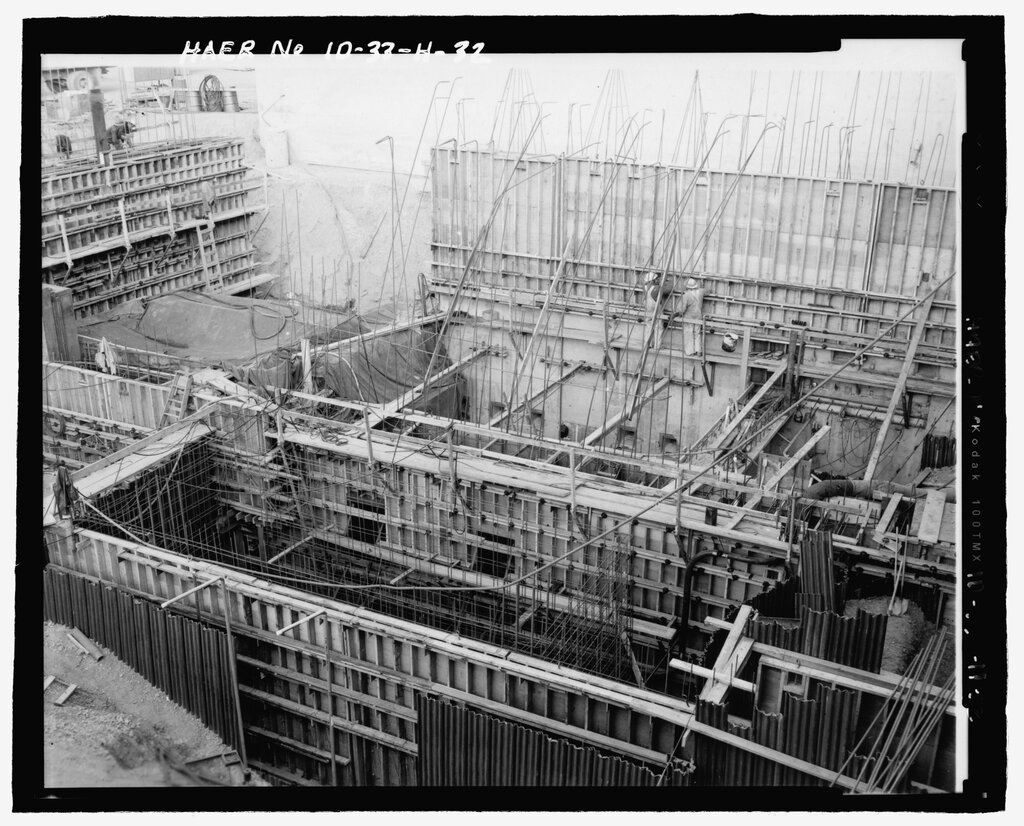
An Idea Takes Shape
While the ancient Romans were masters of concrete, using it to build structures like the Pantheon that still stand today, they never reinforced it. The idea of embedding metal into concrete didn't catch on until the 19th century.
The breakthrough is often credited to Joseph Monier, a French gardener. In the 1860s, he was looking for a way to make more durable flowerpots. He started by creating a mesh of iron wire and plastering it over with a cement mortar. His reinforced pots were a success, and he soon realized his invention could be used for much more. Monier went on to patent his technique for pipes, tanks, and eventually bridges and buildings, laying the groundwork for the modern construction industry.
Why It's Everywhere
There's a reason RCC is one of the most widely used building materials on the planet. It offers a powerful combination of benefits.
| Advantage | Description |
|---|---|
| Strength | Combines the best of concrete and steel to handle both compression and tension. |
| Durability | Resists fire, weather, and rust (when properly made), leading to long-lasting structures. |
| Versatility | Can be molded into almost any shape, allowing for creative and complex architectural designs. |
| Cost-Effective | The raw materials for concrete are cheap and widely available. |
| Low Maintenance | Requires less upkeep over its lifespan compared to materials like steel or wood. |
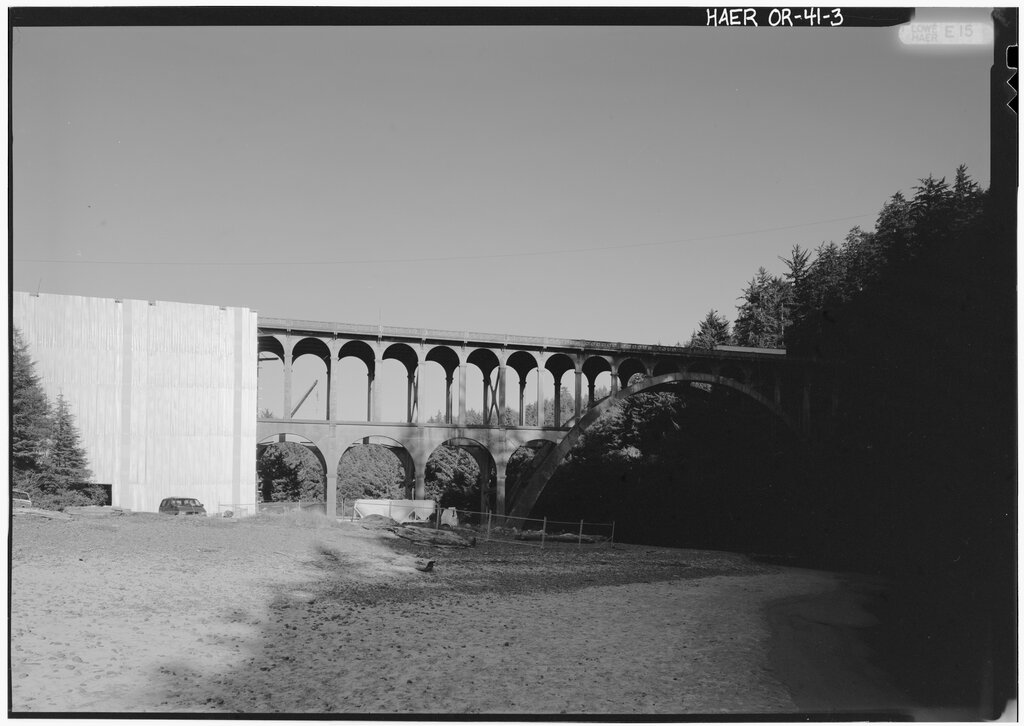
You can see these advantages in action all around you. From soaring skyscrapers to massive dams and sprawling bridges, RCC makes it possible to build structures that are both functional and impressive.
The Basics of Design
Designing an RCC structure isn't just about mixing cement and throwing in some steel bars. It's a careful science that ensures a building is both safe and useful for its intended purpose. This is what's known as serviceability.
Engineers start by considering all the forces a structure will face. This includes:
- Dead Loads: The weight of the structure itself, like the beams, columns, and slabs.
- Live Loads: Temporary forces, such as people, furniture, or traffic on a bridge.
- Environmental Loads: Forces from nature, like wind, snow, or earthquakes.
Based on these loads, engineers calculate how much stress each part of the structure will experience. They then determine the precise amount and placement of steel reinforcement needed to handle the tensile forces, while ensuring the concrete sections are large enough to handle the compression. The goal is to create a balanced system where both materials work together efficiently, resulting in a structure that will stand strong for decades.
What is the primary purpose of embedding steel bars (rebar) within concrete?
The ancient Romans were the first to master the technique of reinforcing concrete with steel.