Introduction to Randomized Algorithms
Introduction to Randomized Algorithms
Algorithms with a Twist
Most algorithms you encounter are deterministic. Given the same input, they follow the exact same steps and produce the exact same output, every single time. Think of a recipe: if you follow the instructions perfectly, you'll always get the same cake.
A randomized algorithm, however, introduces an element of chance. It uses random numbers to make decisions at certain points. This means that for the same input, the algorithm might behave slightly differently or take a different path each time it runs. It's like a chef adding a “pinch of a random spice” – the outcome is still a meal, but the exact flavor might vary.
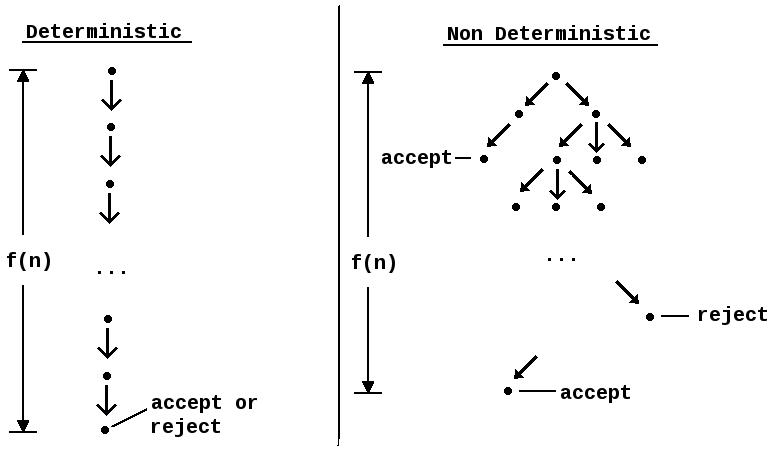
This might sound unpredictable or even unreliable, but introducing randomness can make algorithms simpler, faster, and more robust, especially when dealing with complex problems or tricky data.
Two Flavors of Randomness
Randomized algorithms generally come in two main varieties: Las Vegas and Monte Carlo. They differ in what they're willing to bet on: the right answer or a quick answer.
A Las Vegas algorithm always gives the correct answer, but its runtime can vary. It gambles with time, not correctness.
Imagine trying to find a specific card in a shuffled deck. A Las Vegas approach would be to randomly pull cards one by one until you find it. You are guaranteed to find the card eventually, but you don't know if it will be on the first try or the last. A classic computer science example is Randomized Quicksort, which shuffles the input array before sorting to avoid worst-case performance.
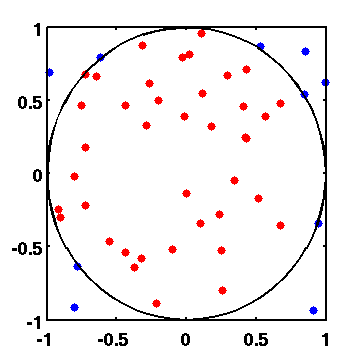
A Monte Carlo algorithm runs in a predictable amount of time, but there's a small chance its answer might be incorrect. It gambles with correctness, not time.
Think about estimating the size of a large crowd. Instead of counting every person, you could count the people in a few small, random sections and multiply to get an estimate. Your answer will be very close, very fast, but probably not perfectly exact. These algorithms are useful when an approximately correct answer is good enough.
Here's a simple breakdown of the trade-offs.
| Algorithm Type | Correctness | Running Time |
|---|---|---|
| Las Vegas | Always Correct | Varies (probabilistic) |
| Monte Carlo | Probably Correct | Fixed (deterministic) |
Why Bother with Randomness?
Introducing chance might seem counterintuitive, but it offers powerful advantages. For many problems, a randomized algorithm is far simpler to design and understand than its deterministic equivalent. The logic doesn't have to account for every possible edge case, because randomness helps smooth them out.
Performance is another huge benefit. Randomness can help an algorithm avoid worst-case scenarios that might cripple a deterministic one. By making random choices, the algorithm is less likely to hit an input sequence that was specifically designed to slow it down. This leads to consistently good performance on average.
Randomized algorithms shine in areas like data science, cryptography, and simulations. They are used for everything from shuffling a playlist and generating complex graphics to ensuring secure online communications. They are a fundamental tool for tackling problems where the data is massive, the patterns are hidden, or a perfect solution is too slow to be practical.
Let's check your understanding of these concepts.
What is the primary characteristic that distinguishes a randomized algorithm from a deterministic one?
An algorithm is designed to find a specific item in a very large, unsorted list. It is guaranteed to find the item eventually, but the time it takes to finish can vary greatly with each run. Which type of randomized algorithm does this describe?
By embracing a little bit of controlled chaos, we can create algorithms that are surprisingly elegant and efficient.