Introduction to Quantum Computing
Introduction to Quantum Computing
A New Kind of Computing
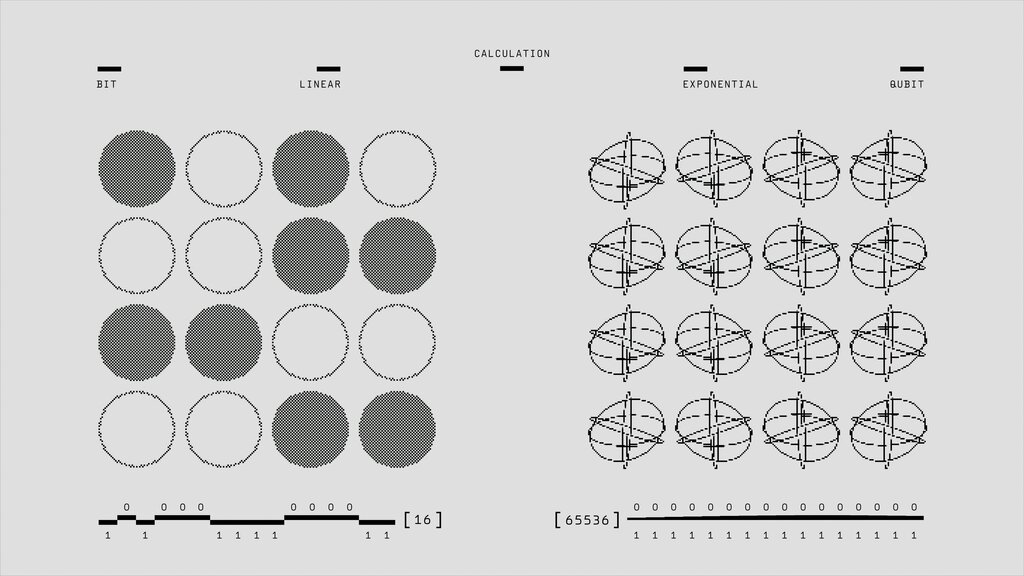
Classical computers, from your smartphone to the most powerful supercomputers, all speak the same fundamental language: the language of bits. These bits are simple switches, representing either a 0 or a 1, on or off. All the complexity of modern software is built on this straightforward binary foundation.
Quantum computing operates on entirely different principles, drawn from the strange world of quantum mechanics. Instead of bits, it uses quantum bits, or qubits. This single change unlocks a completely new way of processing information.
The Superpower of Qubits
So, what makes a qubit so different from a regular bit?
qubit
noun
The basic unit of quantum information. Like a classical bit, it can be a 0 or a 1, but it can also be in a combination of both states at the same time.
This ability to be in multiple states at once is a core principle of quantum mechanics called superposition. Think of a spinning coin. While it's in the air, it’s not definitively heads or tails; it's a blend of both possibilities. Only when you catch it (or, in quantum terms, measure it) does it land on a single, definite outcome.
A qubit is like that spinning coin. It exists in a superposition of 0 and 1 until it's measured, at which point it “collapses” into one of those classical states. This property allows quantum computers to explore a vast number of possibilities simultaneously, a feat that would take a classical computer an impossible amount of time.
Entanglement's Spooky Link
The other mind-bending property of qubits is entanglement. This is a special connection that can link two or more qubits together. When qubits are entangled, their fates are intertwined, no matter how far apart they are.
Imagine you have two coins, and you know they are a linked pair that will always land on opposite faces. If you flip them, send one to the other side of the world, and then look at your coin and see it’s heads, you instantly know the other coin is tails. You don't need to see it to know its state.
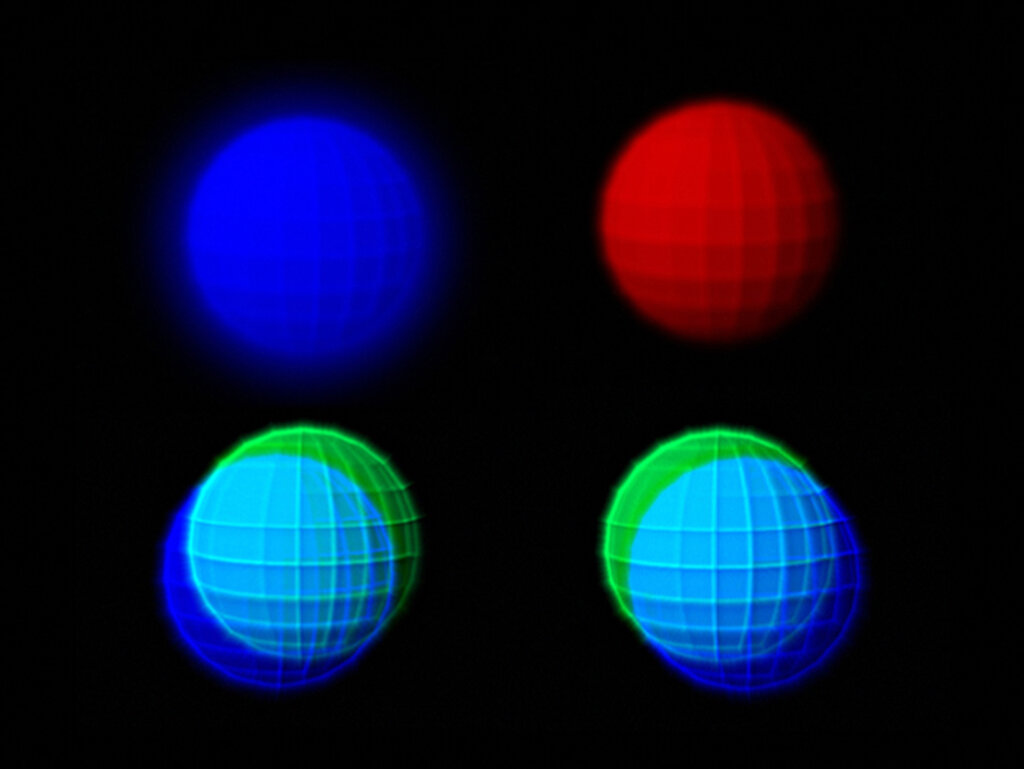
Entangled qubits behave in a similar way. If you measure one qubit in an entangled pair and find it's a 0, you'll know instantly that its partner is a 1. This
spooky action at a distance,
as Einstein called it, is a powerful resource for quantum computation and communication, creating complex correlations that classical systems can't replicate.
Ready to check your understanding?
What is the fundamental unit of information in a classical computer?
The principle of superposition allows a qubit to do what a classical bit cannot. What is it?
By leveraging superposition and entanglement, quantum computers aren't just faster versions of the computers we have today. They are a fundamentally new tool for solving problems that have always been out of our reach.