Introduction to Quantum Computing
Introduction to Quantum Computing
Beyond Bits and Bytes
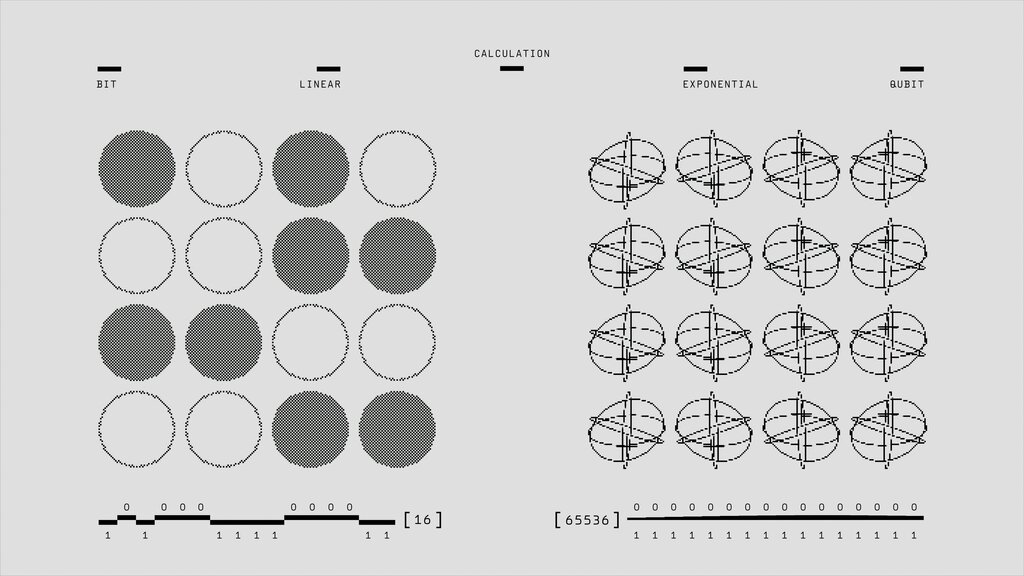
Classical computers, from your smartphone to the most powerful supercomputers, process information using bits. A bit is the smallest unit of data and can exist in one of two states: a 0 or a 1. It's a simple, reliable switch that can be either off or on.
Quantum computing operates on a completely different set of principles, borrowed from the strange world of quantum mechanics. Instead of bits, it uses quantum bits, or qubits. This fundamental difference allows quantum computers to process information in a way that is impossible for their classical counterparts.
The Magic of the Qubit
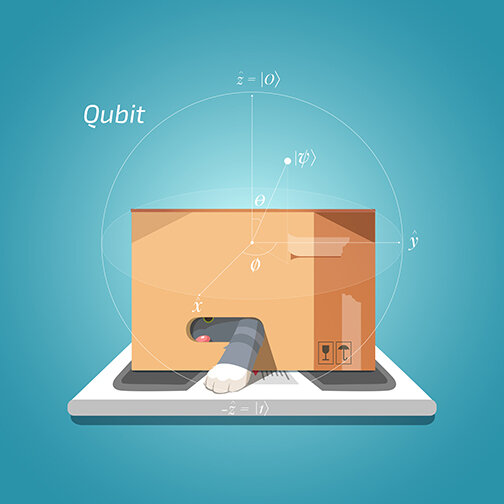
A qubit is the basic unit of quantum information. Like a classical bit, it can be a 0 or a 1. But thanks to a principle called superposition, it can also be a combination of both 0 and 1 at the same time.
qubit
noun
A quantum bit, the basic unit of information in quantum computing. It can exist as a 0, a 1, or a superposition of both states.
Think of a spinning coin. While it's in the air, it's neither heads nor tails—it's a blend of both possibilities. Only when it lands (or when we measure it) does it settle into a single, definite state. A qubit is like that spinning coin. It exists in a cloud of probabilities until the moment of measurement, at which point its superposition collapses into either a 0 or a 1. This ability to hold multiple potential values at once is a key source of a quantum computer's power.
Spooky Connections
Things get even stranger with a property called entanglement. When two qubits become entangled, their fates are linked, no matter how far apart they are. If you measure one qubit and find it's a 0, you instantly know that its entangled partner is a 1, and vice versa. Albert Einstein famously called this phenomenon "spooky action at a distance."
Entanglement creates a perfect correlation between qubits. Measuring one instantly determines the state of the other, regardless of the distance separating them.
Imagine you have two special coins. You put each one in a separate box and give one to a friend who travels to the other side of the world. The moment you open your box and see a heads, you know with absolute certainty that your friend's coin is tails. Entanglement works like this for qubits, creating an invisible, instantaneous connection.
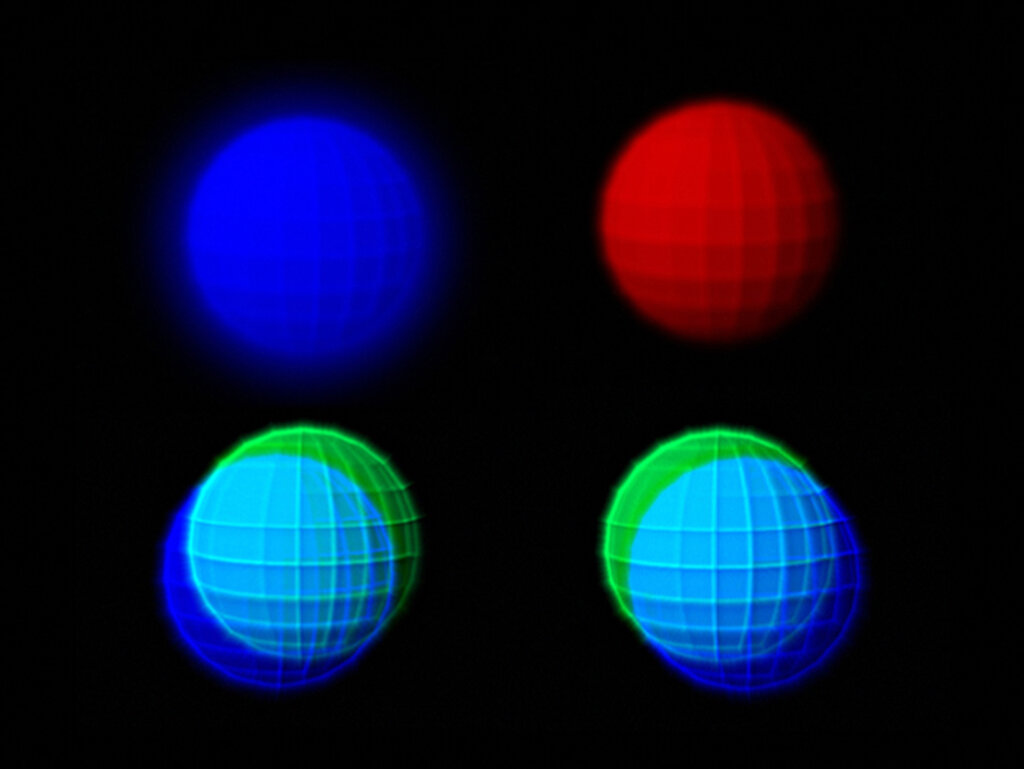
Superposition and entanglement are not just strange theoretical ideas. They are the core principles that allow quantum computers to explore a vast number of potential solutions to a problem simultaneously. While a classical computer checks each possibility one by one, a quantum computer can evaluate them all at once, offering a potential shortcut to solving some of the world's most complex problems.