Introduction to Quantum Computing
Introduction to Quantum Computing
Beyond Bits and Bytes
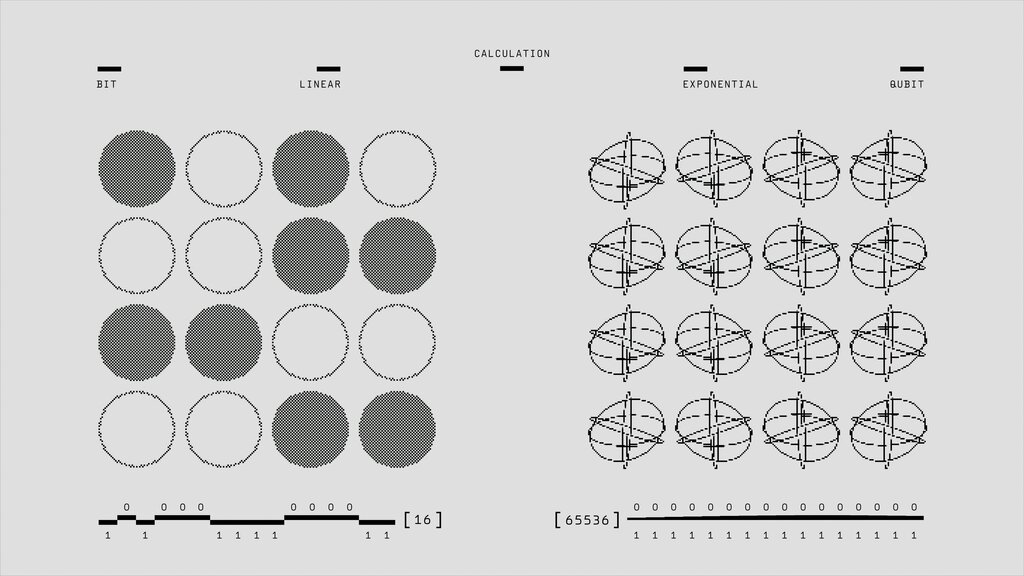
Classical computers, from your smartphone to the most powerful supercomputers, think in a very straightforward way. Everything is broken down into a language of bits. A bit is the smallest unit of data and can only exist in one of two states: a 0 or a 1. It's like a light switch that is either on or off. All the incredible things classical computers do are built on top of billions of these simple, binary choices.
Quantum computing operates on a completely different set of rules, borrowed from the strange world of quantum mechanics. Instead of bits, it uses quantum bits, or qubits. This fundamental difference allows quantum computers to process information in a way that's impossible for classical machines, opening the door to solving problems that are currently intractable.
Meet the Qubit
A qubit is the basic unit of quantum information. Like a classical bit, it can be a 0 or a 1. But thanks to a principle called superposition, it can also be a combination of both 0 and 1 at the same time.
qubit
noun
The basic unit of quantum information. A qubit can represent a 0, a 1, or any quantum superposition of these two states.
Imagine a spinning coin. While it's in the air, it’s not definitively heads or tails—it's a blur of both possibilities. Only when it lands (an act similar to a measurement) does it settle into a single, definite state. A qubit is like that spinning coin. Before it's measured, it exists in a superposition of 0 and 1. This ability to hold multiple values at once is what gives quantum computers their immense processing potential.
A single qubit can store a superposition of two states. Two qubits can store a superposition of four states (00, 01, 10, 11). With just 300 qubits, a quantum computer could represent more states than there are atoms in the observable universe. This exponential scaling is the source of a quantum computer's power.
Superposition and Entanglement
Superposition is one of the two core principles that make quantum computing work. It's the idea that a quantum system can be in multiple states at once until it is measured. By placing qubits into a state of superposition, a quantum computer can process a huge number of possibilities simultaneously.
A quantum computer doesn't just try one path to a solution; it explores many paths at the same time.
The second key principle is entanglement. This is a special connection between two or more qubits. When qubits are entangled, their fates are linked, no matter how far apart they are. If you measure one entangled qubit and find it's a 0, you instantly know that its partner will be a 1 (or whatever its correlated state is).
Albert Einstein famously called this phenomenon "spooky action at a distance." This deep connection allows for complex computations and is a resource that has no equivalent in classical computing. Entangled qubits behave as a single, unified system, even when separated by vast distances.
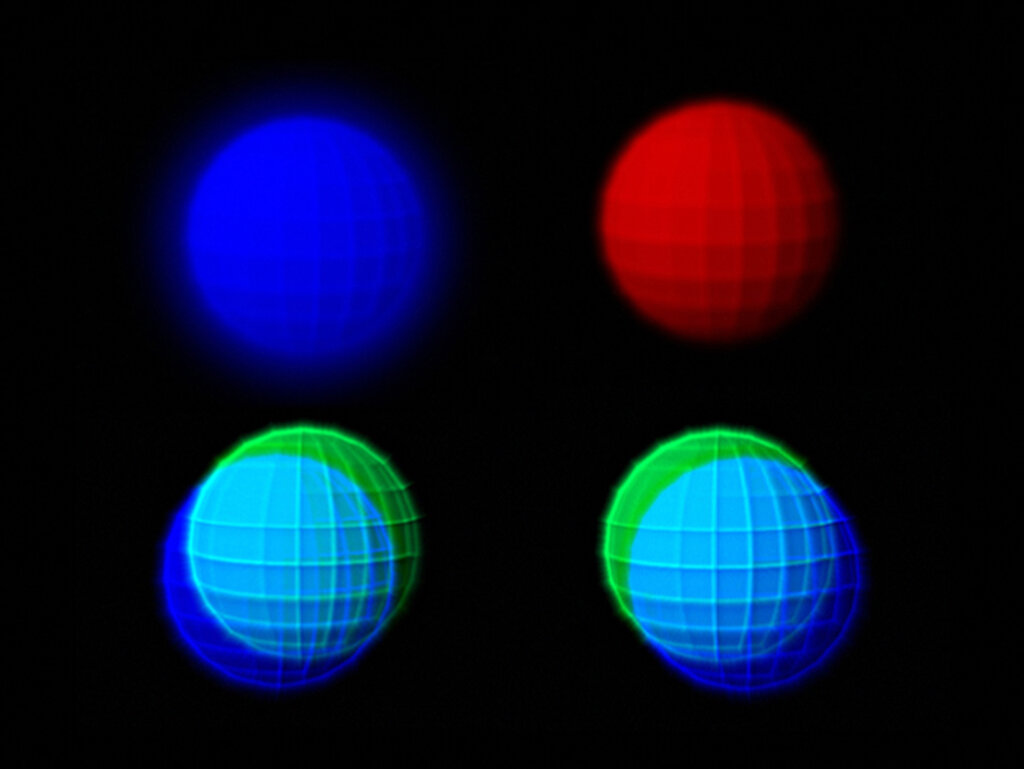
Together, superposition and entanglement allow quantum computers to tackle certain types of problems—like simulating molecules for drug discovery or breaking complex codes—that are far beyond the reach of even the most powerful classical supercomputers.
Ready to check your understanding of these foundational concepts?
What is the fundamental difference between a classical bit and a quantum bit (qubit)?
The principle that allows a qubit to exist in multiple states (like 0 and 1) at the same time is called ________.
These principles form the very foundation of how quantum computers work. By harnessing them, we can build machines that compute in a fundamentally new way.