Introduction to Quality Management Principles
Introduction to Quality Management
What Is Quality Management?
Think about the last time you bought something you were really happy with, whether it was a great cup of coffee or a phone that works flawlessly. That positive experience is a result of quality. But quality isn't just about a product being "good." In business, quality means meeting or exceeding customer expectations. It’s about delivering on a promise. A $5 watch that keeps accurate time for a year has high quality if that's what the customer expected. A $5,000 luxury watch that stops working after a week has low quality.
Quality Management, then, is the act of overseeing all activities and tasks needed to maintain this desired level of excellence. It’s a systematic approach. Instead of just inspecting a product at the end and hoping for the best, quality management builds processes to ensure things are done right from the very start. It's about designing a system that consistently produces the desired outcome.
Quality management is essential for organizations to consistently deliver products or services that meet or exceed customer expectations.
This involves everything from planning and setting quality goals to the hands-on processes of quality control and assurance, and finally, making improvements for the future.
Why Quality Matters
Poor quality costs money. It leads to wasted materials, product recalls, and a damaged reputation. In contrast, good quality management builds customer loyalty, improves efficiency, and boosts profitability.
Consider a car manufacturer. Consistent quality means safer cars, fewer recalls, and happier drivers who recommend the brand to friends. In a hospital, quality management is literally a matter of life and death, ensuring patient safety and effective treatments. For a software company, it means fewer bugs, more reliable service, and users who trust the app with their important data.
Ultimately, a focus on quality creates a culture where everyone in the organization is committed to excellence. It touches every department, from design and production to customer service.
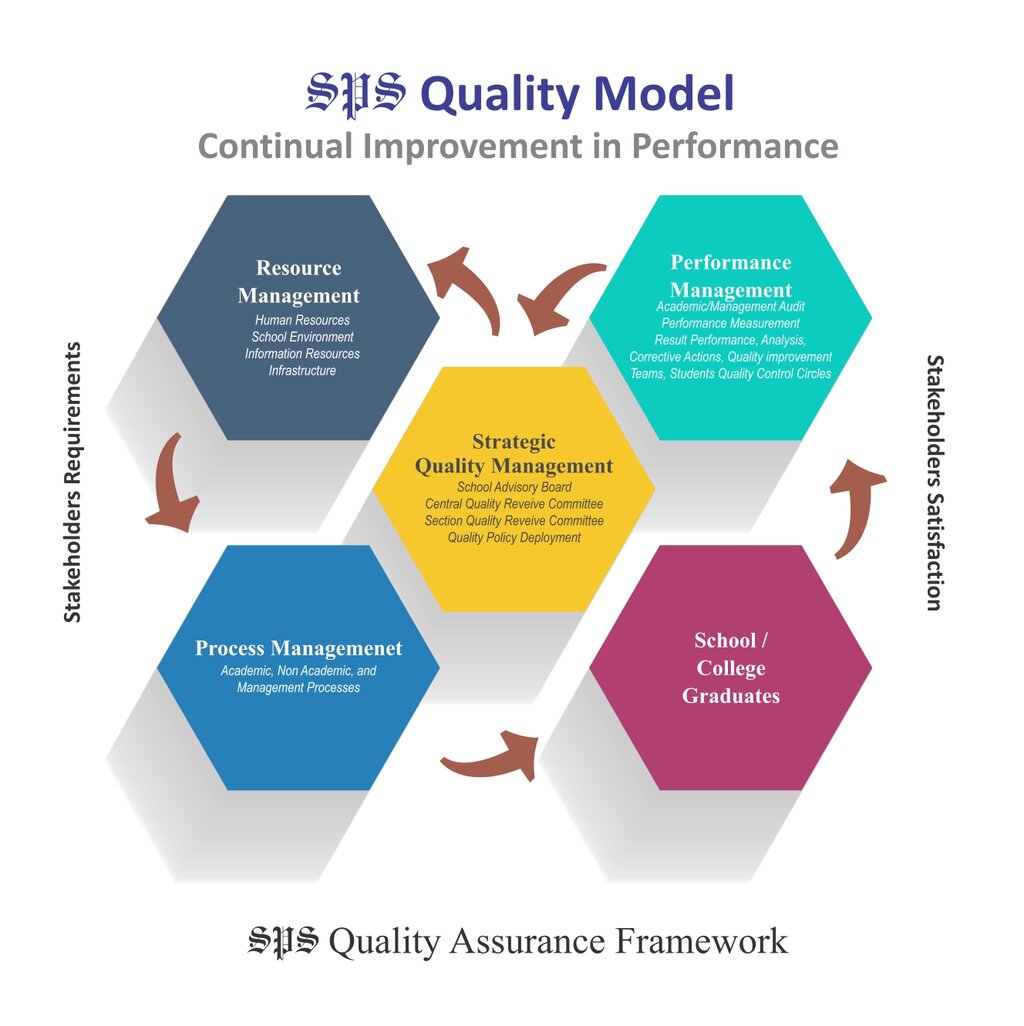
A Brief History
The idea of quality isn't new. In the Middle Ages, guilds of craftsmen enforced strict standards to protect their professional reputation. But modern quality management began to take shape during the Industrial Revolution.
With the rise of mass production, the focus shifted to inspection. A foreman or inspector would check products at the end of the assembly line, separating the good from the bad. This was a reactive approach, catching defects only after they occurred.
In the 20th century, thinkers like W. Edwards Deming and Joseph Juran introduced a more proactive method: statistical quality control. They used data to monitor the production process, identify sources of variation, and prevent defects before they happened. This evolved into the concept of Total Quality Management (TQM), which sees quality as the responsibility of every single person in the company, not just the inspectors.
The Seven Core Principles
To guide modern organizations, the International Organization for Standardization (ISO) established seven fundamental principles of quality management. These aren't strict rules, but rather a framework for creating a culture of excellence. They provide the philosophical backbone for any successful quality management system.
| Principle | Brief Idea |
|---|---|
| Customer Focus | Understand current and future customer needs. |
| Leadership | Create a unified direction and purpose. |
| Engagement of People | Empower and involve everyone in the organization. |
| Process Approach | Manage activities as interrelated processes. |
| Improvement | Maintain a constant focus on improving. |
| Evidence-based Decision Making | Base decisions on analysis of data. |
| Relationship Management | Manage relationships with suppliers and partners. |
These seven principles act as a compass, guiding organizations toward consistent quality and customer satisfaction.
Now that you have a foundational understanding of quality management, let's test your knowledge.
According to the principles of quality management, which of these two products demonstrates higher quality?
What is the primary focus of a modern Quality Management system?
Understanding these core ideas is the first step toward building and maintaining systems that deliver real, consistent value.