Introduction to Quality Auditing
Introduction to Quality Auditing
What Is a Quality Audit?
Think of a quality audit as a health checkup for a company's processes. It’s a systematic, independent review to see if work-related activities and results comply with planned arrangements. The goal isn't to point fingers or place blame. Instead, it's about verifying that a process is working as intended and is effective at achieving its quality goals.
These planned arrangements are often part of a larger framework called a Quality Management System (QMS).
Quality Management System
noun
A formalized system that documents processes, procedures, and responsibilities for achieving quality policies and objectives.
A QMS is like a company's playbook for quality. It outlines everything from how a product is designed and made to how customer feedback is handled. An audit, then, is simply checking to make sure everyone is following the playbook and that the plays are actually working.
The Benefits of a Checkup
Conducting regular quality audits offers significant advantages. It's not just about ticking boxes; it's about building a stronger, more reliable organization.
Audits provide a clear, unbiased picture of what’s working well and what isn’t. This information is crucial for making smart improvements.
Key benefits include:
- Ensuring Compliance: Audits verify that the organization follows its own rules as well as external standards, like those from the International Organization for Standardization (ISO).
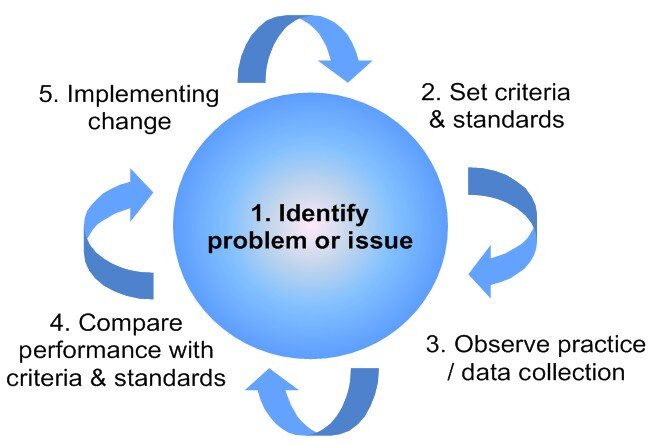
- Improving Processes: By identifying inefficiencies or problems, audits pave the way for continuous improvement. They help find the root cause of issues so they can be fixed for good.
- Reducing Costs: Catching problems early is much cheaper than dealing with product recalls or lost customers. Good quality control prevents waste and rework.
- Boosting Customer Confidence: When customers know a company is committed to quality and regularly audits its processes, it builds trust and loyalty.
Who Does the Auditing?
Quality audits come in a few different flavors, depending on who is conducting the review. They are often categorized as first, second, or third-party audits.
| Party | Audit Type | Purpose |
|---|---|---|
| First-Party | Internal Audit | A self-check to find areas for improvement and prepare for external audits. |
| Second-Party | External/Supplier Audit | A customer audits its supplier to ensure they meet contractual requirements. |
| Third-Party | External/Certification Audit | An independent organization audits for certification to a standard (e.g., ISO 9001). |
Let’s break these down.
Internal audits are performed by a company's own employees. They are an essential tool for self-assessment and maintaining the QMS. Think of it as proofreading your own essay before turning it in.
Internal audits are a vital mechanism within your Quality Management System (QMS) to ensure that operational planning and control processes comply with ISO 9001:2015 standards.
External audits are conducted by someone outside the organization. A supplier audit is a common example, where a company inspects a supplier's facilities to ensure the raw materials or components they provide meet the required quality standards. This is like checking the ingredients you buy before you start cooking.
Another type of external audit is a certification audit, performed by an independent body. Passing this kind of audit can earn a company an official certification, which is a powerful signal of its commitment to quality.
Understanding these core concepts is the first step. Audits aren't about finding fault; they're about finding facts and using them to build a better, more reliable organization.
Now, let's test your understanding of these fundamental concepts.
What is the primary goal of a quality audit?
A company uses its own trained employees from the quality department to review its internal invoicing process. This is an example of what?
With these foundations in place, you're ready to explore the specifics of how audits are planned, performed, and reported.