Introduction to Python Programming
Introduction to Python
What is Python?
Python was created in the late 1980s by Guido van Rossum. He wanted a language that was easy to read and write, with a clean, simple syntax. The core philosophy is that code should be readable and straightforward. This makes it a popular first language for people new to programming.
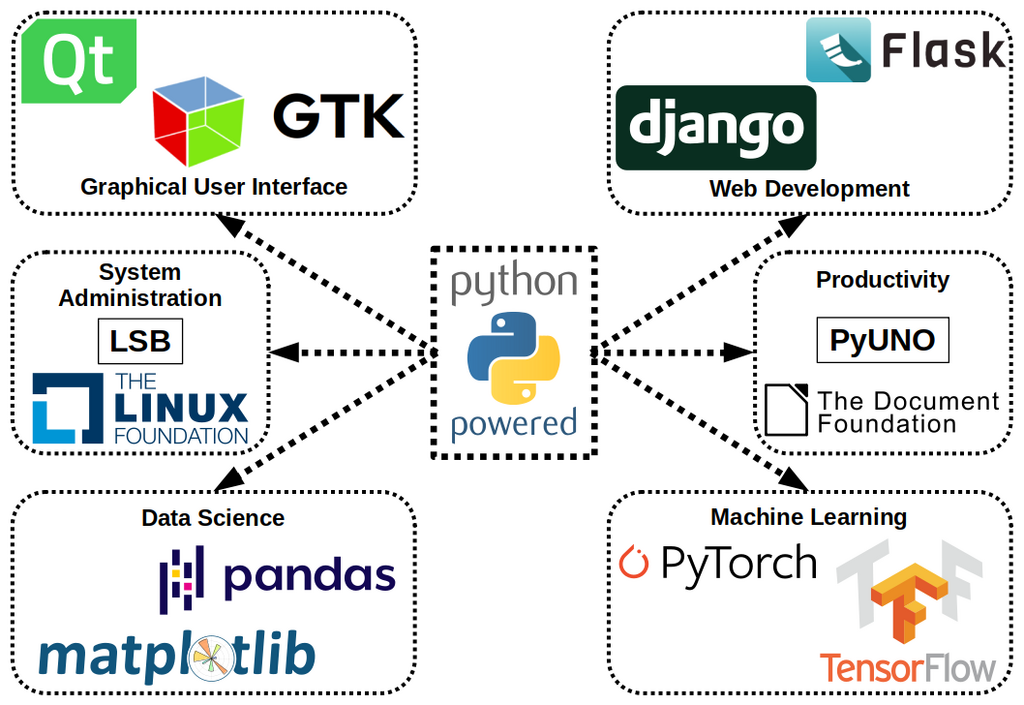
Today, Python is one of the most popular programming languages in the world. Its versatility is a huge reason for its success. It's used for building websites, analyzing data, creating artificial intelligence models, automating tasks, and much more. From startups to giants like Google and Netflix, companies everywhere rely on Python to power their services.
Setting Up Your Environment
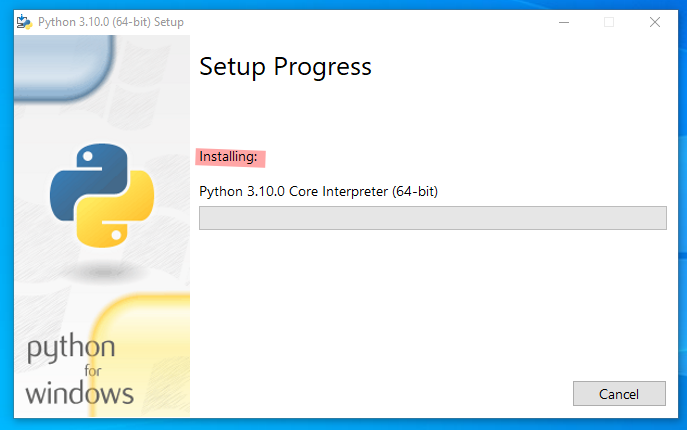
Before you can write Python code, you need to install it on your computer. The official Python website is the best place to get the latest version. The installation process is typically straightforward and includes a program called IDLE, which is a simple environment for writing and running Python code.
You'll also want a good code editor. While you can use any plain text editor, dedicated code editors offer features like syntax highlighting, which colors your code to make it easier to read, and autocompletion. Popular choices include Visual Studio Code, PyCharm, and Sublime Text.
Your First Program
It's a tradition in programming to start by making the computer say "Hello, World!". In Python, this is incredibly simple. Create a new file, name it something like hello.py, and type the following line into it.
print("Hello, World!")
Save the file. To run it, open your computer's command line or terminal, navigate to the directory where you saved the file, and type python hello.py then press Enter. You should see Hello, World! printed on your screen.
This single line demonstrates some core concepts.
()are used to call the function and pass it information. The text"Hello, World!"is a string, which is just a sequence of characters, and it's the information we're passing to the
Python's Structure
Python's syntax is known for being clean. One of the most unique and important features is how it uses whitespace. Unlike many other languages that use curly braces {} to define blocks of code, Python uses indentation.
# This is a comment.
# It's ignored by the computer.

name = "Alice"

if name == "Alice":
    # This line is indented, so it's part of the 'if' block.
    print("Hello, Alice!")
Consistent indentation is not just for style; it's a rule. It's how Python knows which lines of code belong together. The code above also shows a comment. Any line beginning with a # is ignored by Python. Comments are for humans, allowing you to leave notes and explanations within your code.
Ready to check your understanding?
Who is the creator of the Python programming language?
What is the primary way Python defines blocks of code?
You've taken your first steps into Python. You know where it came from, how to set it up, and how to write and run a simple program. Now you're ready to learn about the fundamental pieces of the language.