Introduction to Python Programming
Introduction to Python
Your First Steps in Python
Python is a high-level programming language, which is just a way of saying it’s designed to be easy for humans to read and write. Its syntax is clean and straightforward, so you can focus more on solving problems and less on memorizing complex rules. This simplicity is a big reason why Python is so popular with beginners and experts alike.
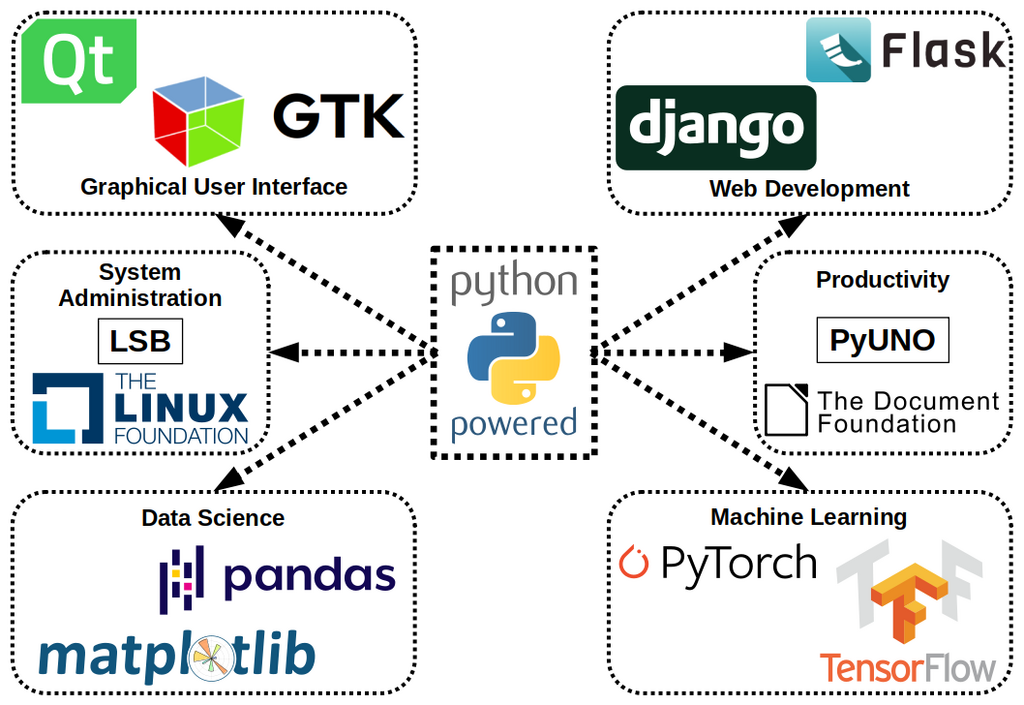
You'll find Python powering all sorts of applications. It's used to build websites and web apps (like Instagram and Spotify), analyze huge amounts of data in scientific research, and automate repetitive tasks. If you've ever wondered how a company recommends a product to you or how a weather forecast is generated, there's a good chance Python was involved.
Setting Up Your Workspace
To start coding in Python, you need two key things: the Python interpreter and an Integrated Development Environment (IDE). The interpreter is the program that understands your Python code and executes it. The IDE is a text editor with special features for programmers, like code highlighting and debugging tools. Think of it as a workshop built specifically for writing code.
First, you'll need to install the interpreter. The best place to get it is from the official website, python.org. The site automatically detects your operating system (like Windows or macOS) and suggests the correct installer for you to download.
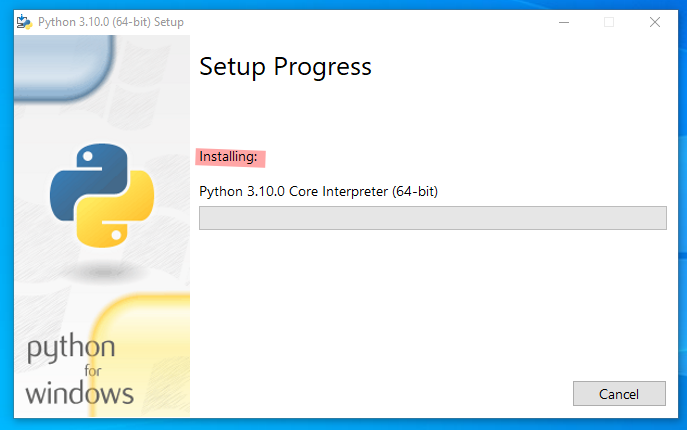
When you install Python, it often comes with a simple built-in IDE called IDLE. It's a great place to start because it's lightweight and easy to use. As you get more experienced, you might explore other popular IDEs like Visual Studio Code, PyCharm, or Jupyter Notebook, which offer more advanced features. For now, IDLE is all you need.
Writing Your First Program
A long-standing tradition in programming is to make your first program display the text "Hello, World!" on the screen. It's a simple task that confirms your setup is working correctly and gives you a quick, satisfying win.
In Python, this is incredibly easy. We use a built-in command called the print() function. A function is a reusable block of code that performs a specific action. The print() function's job is to display whatever you put inside its parentheses.
print("Hello, World!")
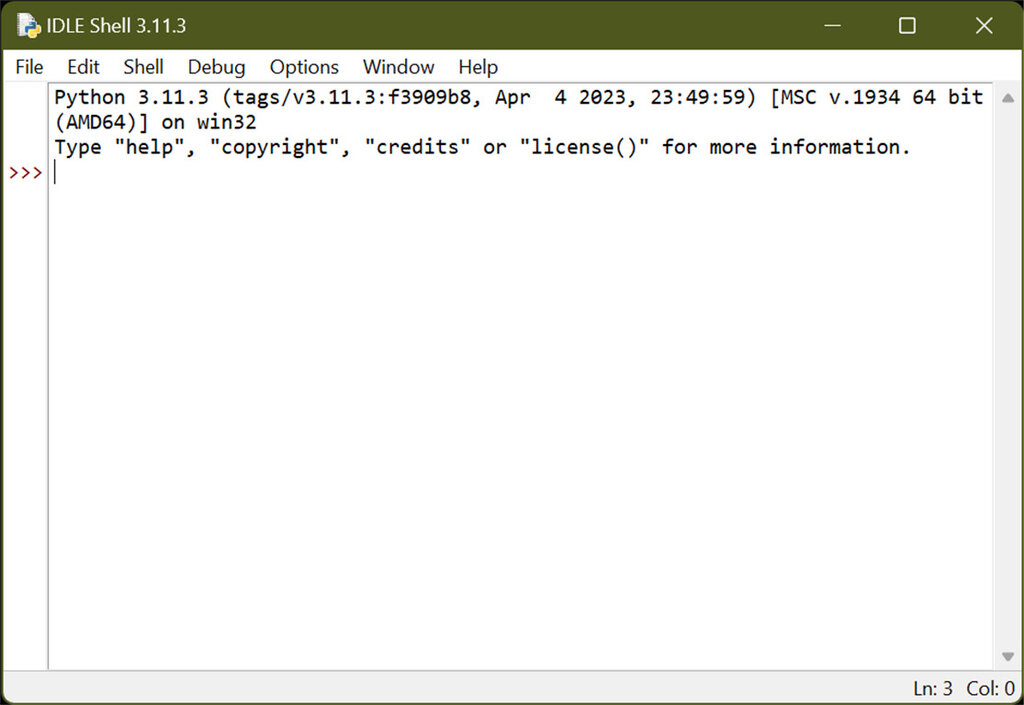
To run this, open IDLE. You'll see a window called the Python Shell with a >>> prompt. Type the code above and press Enter. The text "Hello, World!" will appear on the next line. That's it, you've just written and executed your first Python program.
What is the primary reason Python is described as a "high-level" programming language?
According to the text, what two essential components do you need to start coding in Python?