Introduction to Python Programming
Introduction to Python
What is Python?
Python is a programming language, a way to give instructions to a computer. It was created in the late 1980s by a programmer named Guido van Rossum. He wanted to make a language that was easy to read and write, even for people new to coding. The name doesn't come from the snake, but from the British comedy group Monty Python's Flying Circus.
Today, Python is one of the most popular languages in the world. It’s used for everything from building websites and analyzing data to creating games and powering artificial intelligence. Its biggest strength is its simplicity. Python code often looks a lot like plain English, which makes it a fantastic first language to learn.
Key Features of Python:
- Readable: Its clean syntax makes code easy to understand.
- Versatile: It can be used for a huge variety of tasks.
- Beginner-Friendly: A simple structure helps new programmers get started quickly.
Getting Python on Your Computer
Before you can write Python code, you need to install the Python interpreter on your computer. The interpreter is a program that understands and runs your Python instructions.
You can download the official installer from the Python website, python.org. The site will automatically suggest the correct version for your operating system, whether it's Windows, macOS, or Linux.
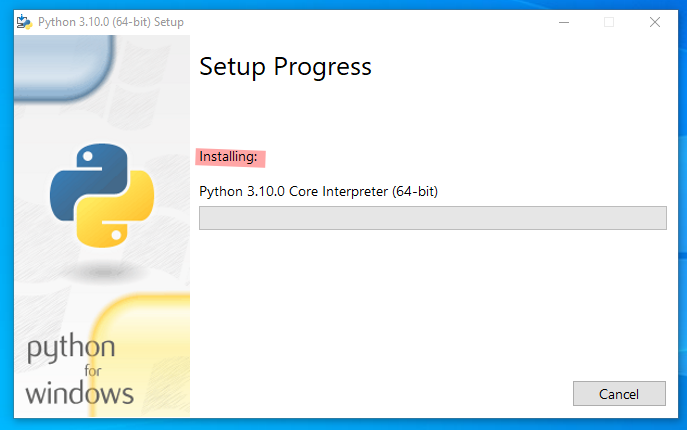
When you run the installer, make sure to check the box that says "Add Python to PATH" on Windows. This small step makes it much easier to run Python from anywhere on your computer. For Mac and Linux users, the process is usually more straightforward.
Your Coding Workspace
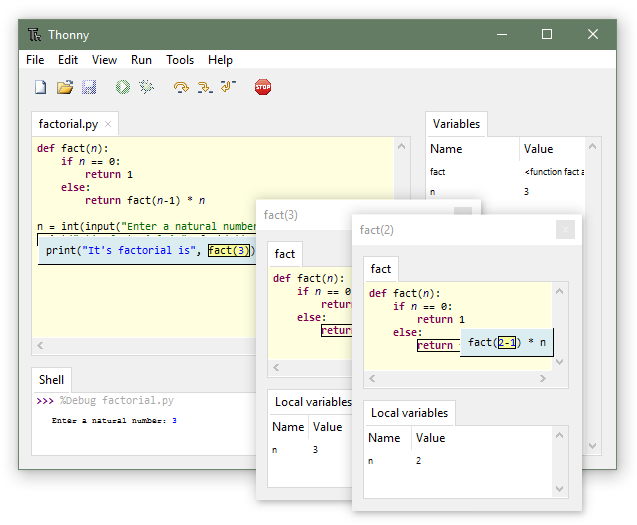
While you can write code in a simple text editor, most programmers use an Integrated Development Environment, or IDE. Think of an IDE as a workshop for coders. It bundles together a text editor with helpful tools like a debugger for finding errors and a shell for running code snippets.
IDE
noun
An Integrated Development Environment is a software application that provides comprehensive facilities to computer programmers for software development.
For this course, we'll use Thonny. It's an IDE made specifically for beginners. It has a clean, simple interface that lets you focus on learning without getting lost in complicated menus. You can download it for free from its website, thonny.org.
Writing Your First Program
It's a tradition in programming to start by making the computer say "Hello, World!". This simple task confirms that your setup is working correctly. In Python, it only takes one line of code.
print("Hello, World!")
The print() part is a function. A function is a named block of code that performs a specific task. In this case, the print() function displays whatever you put inside the parentheses on the screen.
Let's run this in Thonny:
- Open Thonny.
- In the top part of the window (the editor), type the code above.
- Click the "Save" icon and give your file a name, like
hello.py. The.pyending is important—it tells the computer this is a Python file. - Click the green "Run" button. You should see "Hello, World!" appear in the bottom part of the window (the shell).
Congratulations! You've just written and executed your first Python program.
Now, let's test what you've learned.
What is the primary role of the Python interpreter?
The Python programming language was named after the British comedy group Monty Python's Flying Circus.
You now have a working Python environment and have written your first lines of code. You're ready to start exploring what the language can do.