Introduction to Python Programming
Introduction to Python
Meet Python
Python is a programming language created in the late 1980s by Guido van Rossum. He wanted to make a language that was easy to read and write, even for people who weren't professional programmers. Its design philosophy emphasizes code readability and simplicity. The goal is to let you write clear, logical code for projects big and small.
The core philosophy is often summarized by the phrase: "There should be one— and preferably only one —obvious way to do it."
This focus on simplicity doesn't mean Python is weak. It's incredibly powerful and is used for everything from building websites and analyzing data to creating artificial intelligence.
Why Python?
So what makes Python so popular? It comes down to a few key features that make it a great choice for beginners and experts alike.
| Feature | What It Means |
|---|---|
| Simple Syntax | The code looks a lot like plain English, making it easier to learn and read. |
| Interpreted | You can run code line by line and see the results immediately, which is great for learning. |
| Free & Open-Source | Anyone can use Python for free and contribute to its development. |
| Huge Library | It has a massive collection of pre-written code (called libraries) that you can use for complex tasks like data science, web development, and more. |
Think of the standard library like a giant toolbox. Instead of having to build a hammer from scratch every time you need one, you can just grab it from the box. This lets you build amazing things much faster.
Getting Set Up
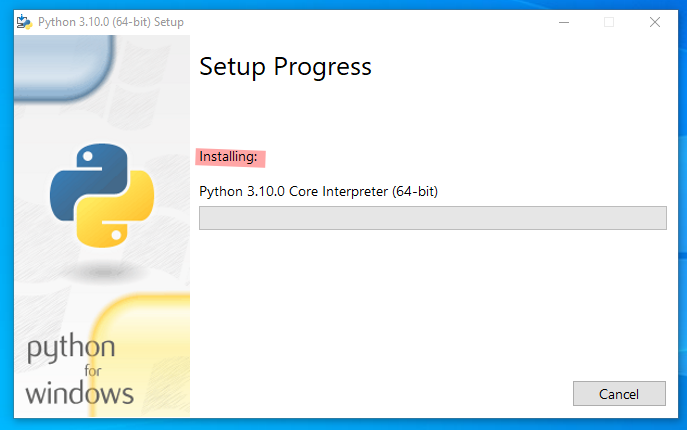
First, you need to install Python on your computer. You can download the latest version from the official website, python.org. The site automatically detects your operating system (like Windows, macOS, or Linux) and suggests the correct installer.
During installation, make sure to check the box that says "Add Python to PATH." This small step makes it much easier to run Python from your computer's command line.
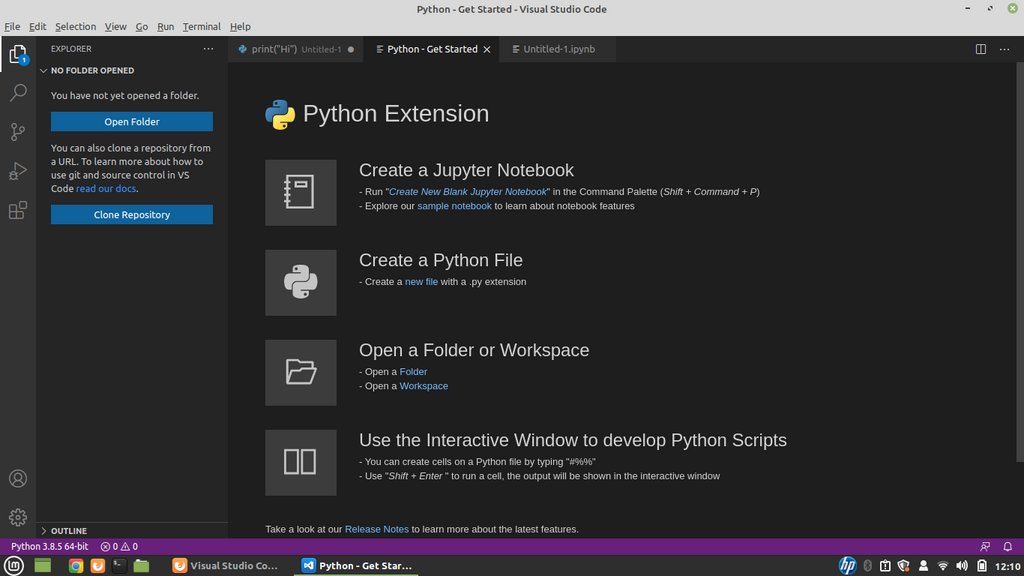
Next, while you can write Python code in a simple text editor, most developers use an Integrated Development Environment, or IDE. An IDE is a software application that combines a code editor, a debugger (for finding errors), and other helpful tools in one place. It makes writing and managing code much easier.
Popular IDEs for Python include Visual Studio Code (VS Code) and PyCharm. Both are excellent choices with powerful features to help you code more efficiently.
Your First Program
A long-standing tradition in programming is to make your first program display the text "Hello, World!" on the screen. It's a simple way to confirm that your setup is working correctly.
In Python, this is incredibly straightforward. It takes just one line of code.
# This is a comment. Python ignores lines starting with a #.

# The print() function displays text on the screen.
print("Hello, World!")
To run this, open your IDE, create a new file (you could call it hello.py), type that line of code, and run it. You should see Hello, World! appear in the output window. Congratulations, you've just written and executed your first Python program!
Ready to check your understanding?
Who is the creator of the Python programming language?
What is the primary design philosophy of Python?
Now you have a basic understanding of what Python is, why it's useful, and how to get started. In the next sections, we'll dive into the fundamental building blocks of the language.