Introduction to Python Programming
Introduction to Python
What is Python?
Python is a popular, versatile programming language used for a huge range of tasks, from building websites to analyzing data. It was created in the late 1980s by Guido van Rossum with a core philosophy: code should be easy to read and write. This focus on simplicity and readability makes it one of the best languages for beginners to learn.
Unlike some other languages that have strict, complicated rules, Python's syntax is clean and intuitive. It often reads a bit like plain English. It's also a high-level language, which means it handles a lot of complex computer operations behind the scenes, letting you focus on solving your problem rather than managing memory or system resources.
Why Learn Python?
One of Python's biggest strengths is its versatility. It's not just a language for one specific job; it’s a multi-purpose tool. Programmers use it for web development (using frameworks like Django and Flask), data science and machine learning (with libraries like pandas and TensorFlow), and automating repetitive tasks. This wide range of applications means that learning Python opens doors to many different career paths.
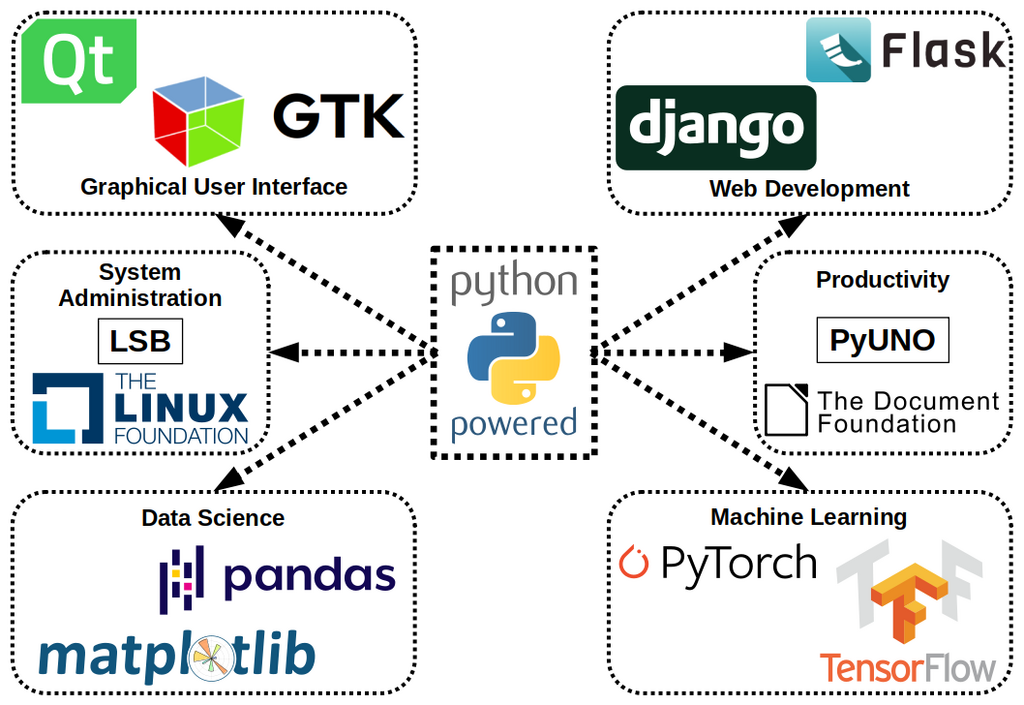
Python also has a massive, active community. If you ever get stuck, chances are someone has already asked your question and gotten an answer. This strong support network, combined with a vast collection of pre-built code packages (called libraries), makes it easier to build complex applications without starting from scratch.
Getting Set Up
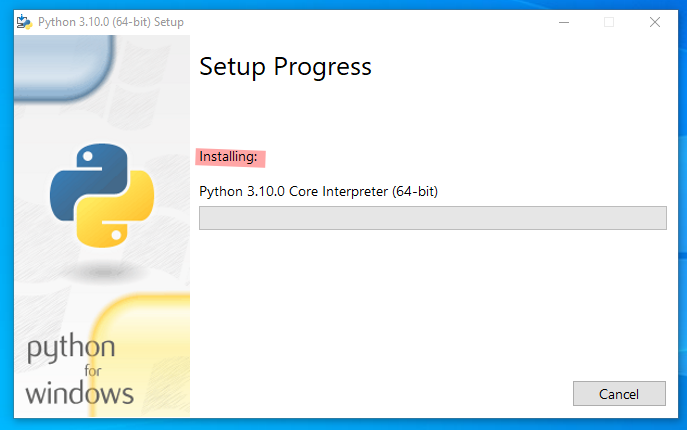
To start writing Python, you need two things: the Python interpreter and a place to write your code. The interpreter is the program that reads your Python code and translates it into instructions the computer can understand and execute.
You can download the official Python interpreter from python.org. The installation is straightforward, but the exact steps vary depending on whether you're using Windows, macOS, or Linux.
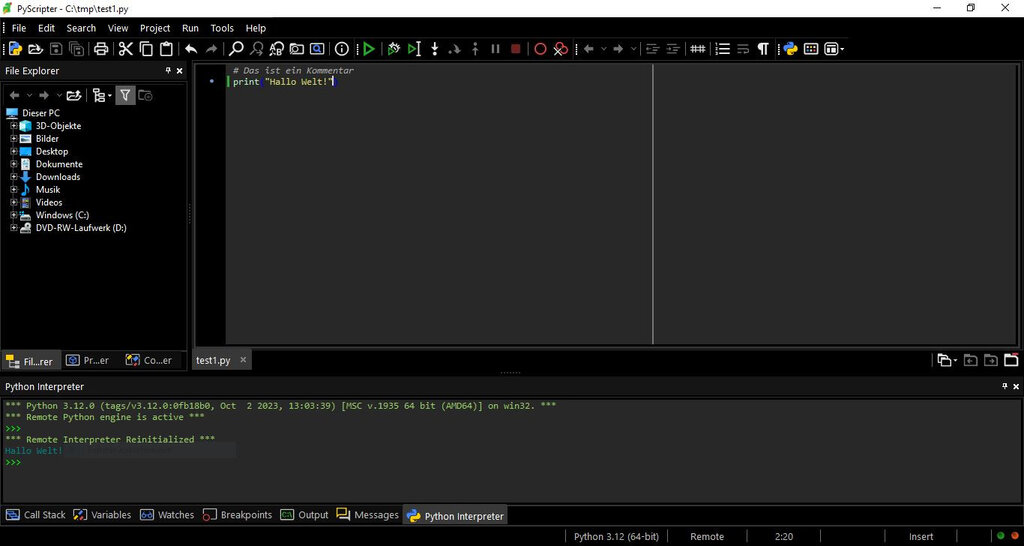
For writing code, you can use a simple text editor, but most developers prefer an Integrated Development Environment (IDE). An IDE is a software application that combines a code editor with other helpful tools, like syntax highlighting (which colors your code to make it more readable) and debugging aids. Popular IDEs for Python include VS Code, PyCharm, and Thonny, which is specifically designed for beginners.
Your First Python Script
Let's write the traditional first program: "Hello, World!". This simple program just prints that phrase to the screen. Open your text editor or IDE and create a new file. Type the following line of code into it.
print("Hello, World!")
Save the file with a .py extension, for example, hello.py. The .py ending tells your computer that this is a Python file.
To run your script, you'll need to use your computer's command line or terminal. Navigate to the directory where you saved your file and type the command:
python hello.py
When you press Enter, you should see Hello, World! printed in the terminal. Congratulations, you've just run your first Python program!
The Interactive Shell
Python also comes with an interactive shell, which is a great tool for testing small pieces of code without creating a file. It's also known as a REPL, which stands for Read-Eval-Print Loop. It reads what you type, evaluates it, prints the result, and loops back to the beginning.
To start the shell, just open your terminal and type python and press Enter. You'll see a prompt, usually >>>. Now you can type Python code directly and see the result immediately.
>>> 2 + 2
4
>>> "Hello" + " there"
'Hello there'
>>> print("This is a test.")
This is a test.
The interactive shell is perfect for quick calculations or trying out a command before you add it to a larger script. To exit the shell, you can type exit() and press Enter.
Now let's check your understanding of these basic concepts.
What is the primary philosophy behind Python's design?
What is the name for the interactive Python environment that reads code, evaluates it, prints the result, and loops back, often used for quick tests?
You now have a basic understanding of what Python is, why it's useful, and how to get started. You've installed the necessary tools, written a script, and used the interactive shell. This is the foundation for everything you'll learn next.