Introduction to Python Programming
Introduction to Python
Getting Started with Python
Python is a popular, high-level programming language known for its simple, readable syntax. It was created in the late 1980s by Guido van Rossum, who wanted to design a language that was easy to write and understand. This focus on clarity is one of its biggest strengths. Instead of complex symbols and strict rules, Python often reads like plain English.
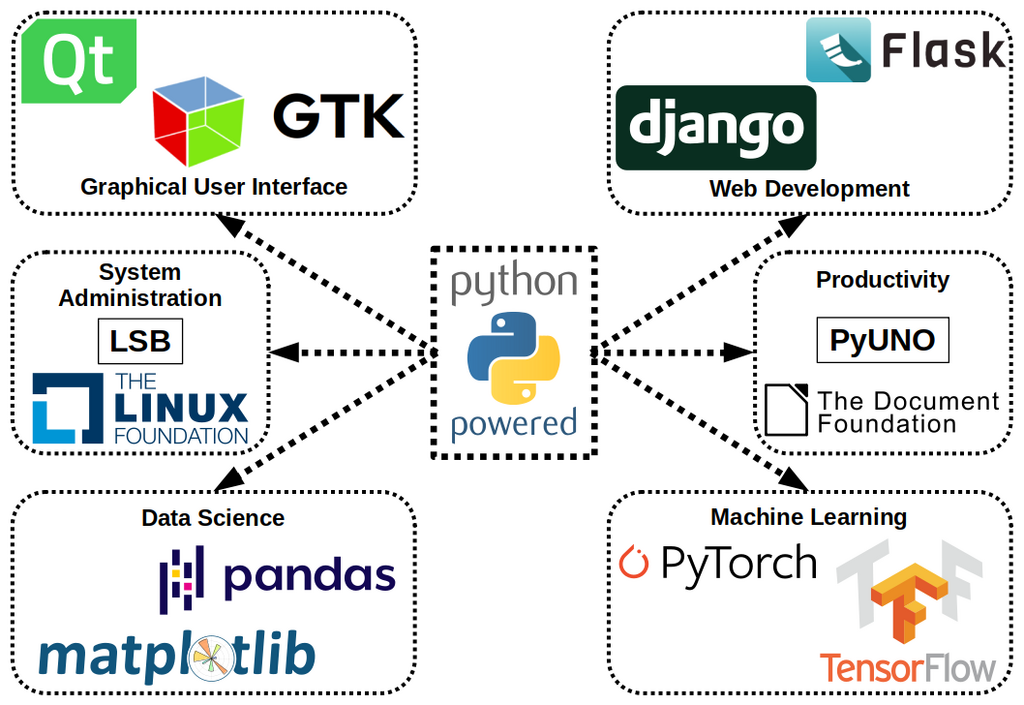
It's also an interpreted language, which means you can run your code line by line and see the results immediately. This makes it great for beginners who are just learning to code. Python is incredibly versatile, used for everything from web development and data analysis to artificial intelligence and scientific computing. Its large standard library provides a vast collection of pre-written code, so you don't have to build everything from scratch.
Setting Up Your Workspace
Before you can start coding, you need to install Python on your computer. The best place to get it is from the official website, python.org. The installation process is straightforward, much like installing any other application. Just download the installer for your operating system (Windows, macOS, or Linux) and follow the on-screen instructions. During installation on Windows, make sure to check the box that says "Add Python to PATH."
Next, you'll want a place to write and run your code. While you can use a simple text editor, most programmers use an Integrated Development Environment, or IDE. An IDE is a software application that combines all the tools you need for programming into one place.
An IDE typically includes a code editor with syntax highlighting, a debugger to help you find errors, and a simple way to run your code. It makes the entire process of writing software much smoother.
There are many IDEs to choose from. For beginners, some great options are:
- Thonny: A simple, lightweight IDE designed specifically for learning Python.
- VS Code: A powerful and popular code editor with excellent Python support through extensions.
- PyCharm Community Edition: A professional IDE with many advanced features, available for free.
Your First Program
It's a long-standing tradition in programming to start by writing a program that simply displays "Hello, World!" on the screen. It's a simple way to confirm that your setup is working correctly.
Open your IDE, create a new file, and save it with a .py extension, like hello.py. In that file, type the following line of code:
# The print() function displays text on the screen.
print("Hello, World!")
This single line is a complete Python program. The print() is a built-in function that tells the computer to output whatever you put inside the parentheses. The text inside the quotation marks is called a string.
Now, run the file. Most IDEs have a "Run" button (often a green triangle) that will execute your code. When you run it, you should see the text Hello, World! appear in a console or output window. Congratulations, you've just written and run your first Python program!
Who is the creator of the Python programming language?
According to the text, what does it mean that Python is an "interpreted language"?
With your environment set up and your first program running, you're ready to start exploring the fundamental building blocks of Python.