Introduction to Python Programming
Introduction to Python
What is Python?
Python is a programming language, which is a way to give instructions to a computer. Think of it as a bridge between human language and the binary code that computers understand. What makes Python special is that it’s designed to be easy to read and write. The syntax, or the rules of the language, often looks a lot like plain English.
It’s also incredibly versatile. People use Python for building websites, analyzing data, creating artificial intelligence, automating repetitive tasks, and much more. This flexibility makes it one of the most popular programming languages in the world.
The core idea behind Python is that code should be simple and readable. If code is hard to understand, it’s hard to maintain and improve.
One of Python's most distinct features is its use of indentation. In many programming languages, indentation is just for looks. In Python, it’s part of the syntax. The spacing at the beginning of a line of code tells the computer how to group instructions. This forces programmers to write clean, organized code that’s easier for anyone to read.
Python also supports several different ways of thinking about programming, known as paradigms. You can write code as a simple sequence of steps (procedural), organize it into reusable blueprints (object-oriented), or treat it as a series of mathematical transformations (functional). You don't need to worry about these terms now, but they highlight Python's adaptability.
Setting Up Your Workspace
To start writing Python, you need two things: the Python interpreter and a place to write your code.
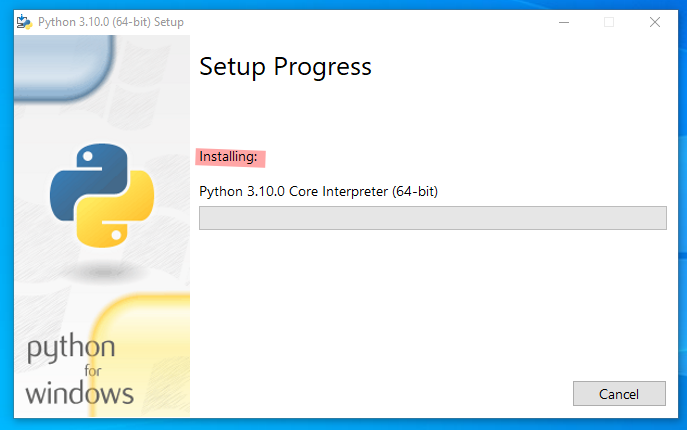
The interpreter is a program that reads your Python code and translates it into instructions the computer can execute. You can download the official interpreter for free from the Python website, python.org. While some operating systems like macOS and Linux come with a version of Python pre-installed, it's always best to install the latest version to have access to new features and security updates.
For writing code, you can use any plain text editor. However, most developers use a code editor or an Integrated Development Environment (IDE). These are specialized text editors with helpful features like syntax highlighting, which colors your code to make it more readable, and error checking. Some popular choices for beginners are Visual Studio Code, Thonny, and PyCharm.
Your First Python Script
Let's write a classic first program: one that simply prints a message to the screen. Open your code editor and create a new file. Save it as hello.py. The .py extension is important, as it tells the computer that this is a Python file.
In that file, type the following line of code:
print("Hello, World!")
This line uses a built-in Python function called print() to display the text inside the parentheses. The text itself, "Hello, World!", is enclosed in quotation marks to indicate it's a string of characters.
To run your script, you'll need to use your computer's command line or terminal. Navigate to the directory where you saved hello.py and type the following command, then press Enter:
python hello.py
If everything is set up correctly, you should see the message Hello, World! appear in your terminal. You've just written and executed your first Python program.