Introduction to Python Programming
Python Basics
What is Python?
Python is a versatile and popular programming language, known for its clean, readable syntax. It was created in the late 1980s by Guido van Rossum, who wanted to design a language that was easy to read and write, almost like plain English. This design philosophy makes it an excellent choice for beginners.
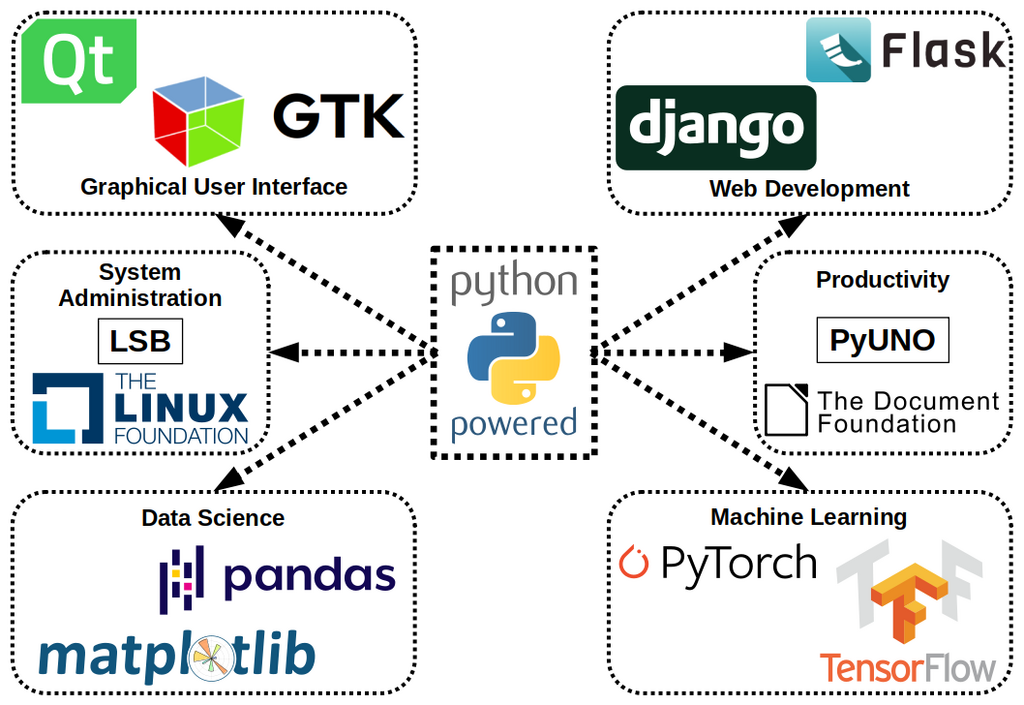
Despite its simplicity, Python is incredibly powerful. It's used for everything from building websites and automating repetitive tasks to conducting complex data analysis and developing artificial intelligence. A massive global community supports Python, creating a rich ecosystem of libraries and tools that extend its capabilities even further.
Getting Set Up
Before you can write Python code, you need to have the Python interpreter installed on your computer. The interpreter is a program that reads your Python code and carries out its instructions. Many operating systems, like macOS and Linux, come with Python pre-installed.
To check if you have it, you can open your terminal or command prompt and type python --version. If it's installed, you'll see a version number. If not, you can download the latest version for free from the official Python website, python.org.
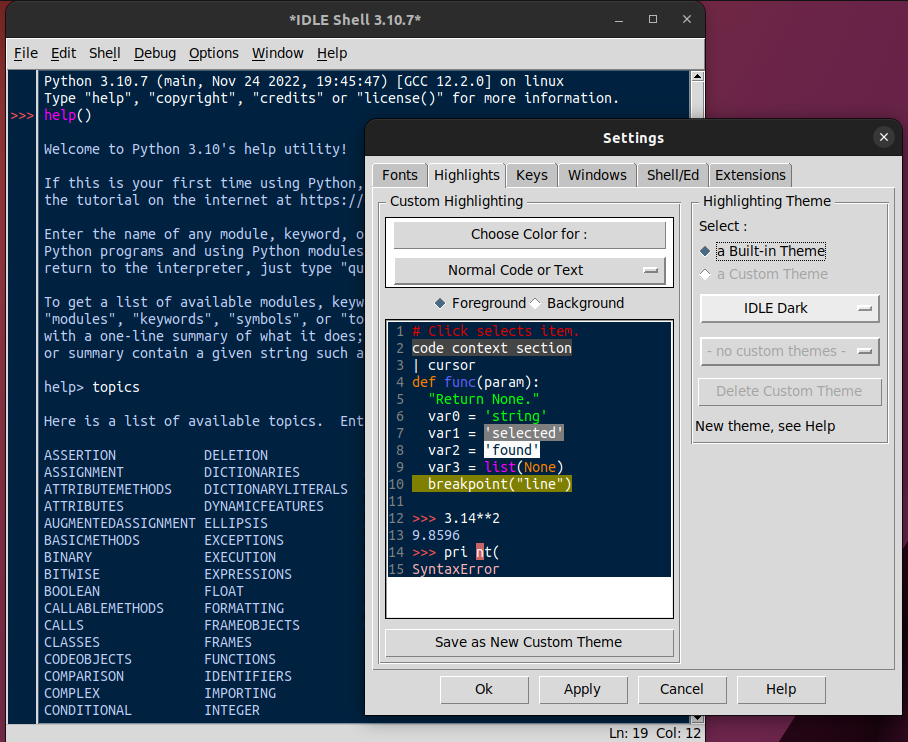
While you can write Python code in any plain text editor, most developers use an Integrated Development Environment (IDE). An IDE is a specialized text editor that includes helpful tools like syntax highlighting and debugging, making the coding process smoother. IDLE is Python's own simple IDE, which comes bundled with the standard installation.
Your First Program
In programming, it's a long-standing tradition to make your first program display the message "Hello, World!". This simple task confirms that your environment is set up correctly and you're ready to start coding.
In Python, this is remarkably easy. It takes just a single line of code using the built-in print() function.
The
print()function tells the computer to display whatever you put inside the parentheses on the screen.
To create your program, open a new file in a text editor or IDE and type the following line:
print("Hello, World!")
Save the file with a .py extension, for example, hello.py. The .py tells the computer that this is a Python file.
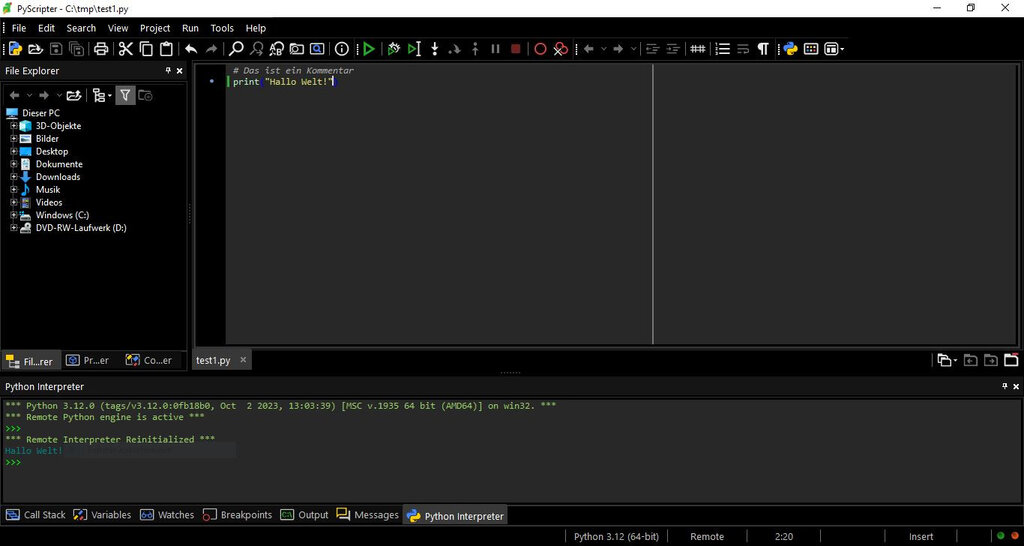
To run your program, open your terminal or command prompt, navigate to the directory where you saved your file, and type python hello.py. If everything is set up correctly, you'll see the text "Hello, World!" printed on your screen.
Let's check your understanding of these first steps.
What was the primary design philosophy behind the creation of Python?
What is the role of the Python interpreter?
Congratulations! You've just written and executed your first Python program. This is the foundational skill upon which all your future programming knowledge will be built.