Introduction to Python Programming
Introduction to Python
Meet Python
Python is a programming language known for its simplicity and readability. Created in the late 1980s by Guido van Rossum, its design philosophy emphasizes code that's easy to read, almost like plain English. This makes it a fantastic language for beginners.
But don't let its simplicity fool you. Python is incredibly powerful and versatile. It’s used by companies like Google, Netflix, and NASA for everything from web development to data analysis and artificial intelligence.
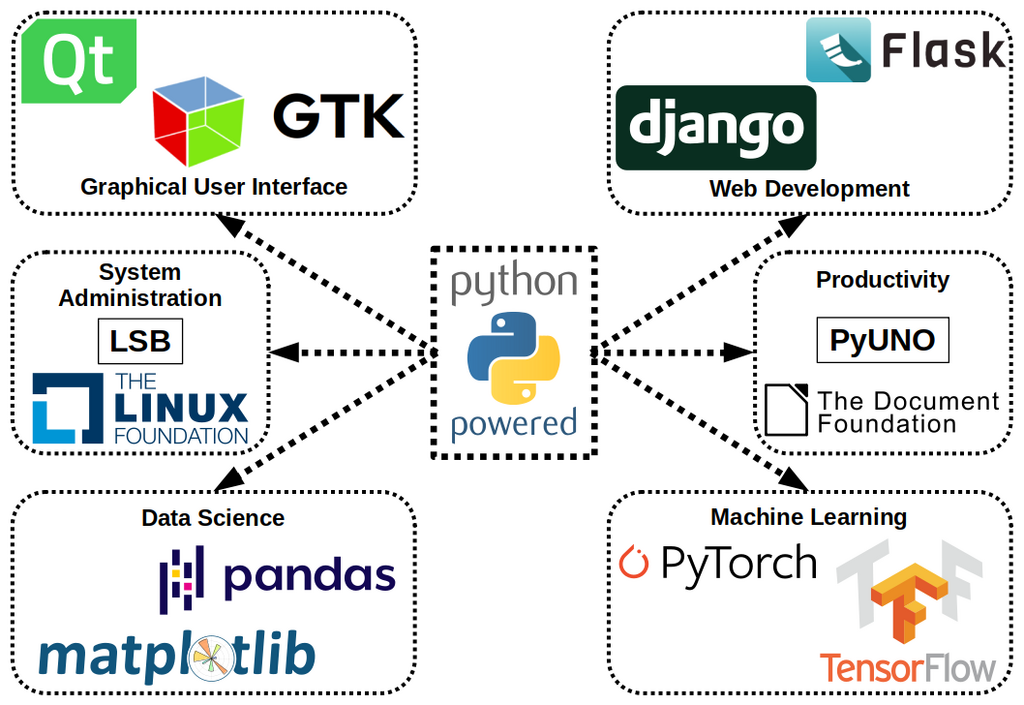
Some common uses for Python include:
- Web Development: Building the server-side logic of websites and applications.
- Data Science: Analyzing large datasets, creating visualizations, and training machine learning models.
- Automation: Writing scripts to automate repetitive tasks, saving time and reducing errors.
- Software Development: Creating desktop applications and games.
Setting Up Your Workspace
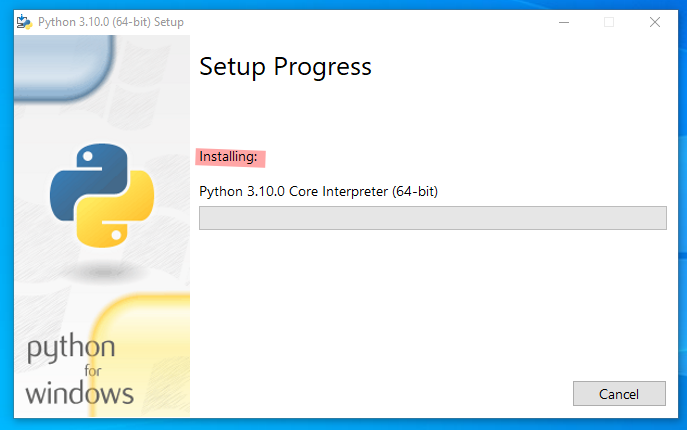
Before you can write Python code, you need to install it on your computer. You can download the latest version for free from the official website, python.org. The installation process is straightforward, much like installing any other software.
Once Python is installed, you'll need a place to write your code. While you could use a simple text editor, most developers use an Integrated Development Environment, or IDE. An IDE is a software application that provides comprehensive facilities to programmers for software development.
IDE
noun
An Integrated Development Environment is a software suite that consolidates the basic tools developers need to write and test software. It typically includes a code editor, a compiler or interpreter, and a debugger.
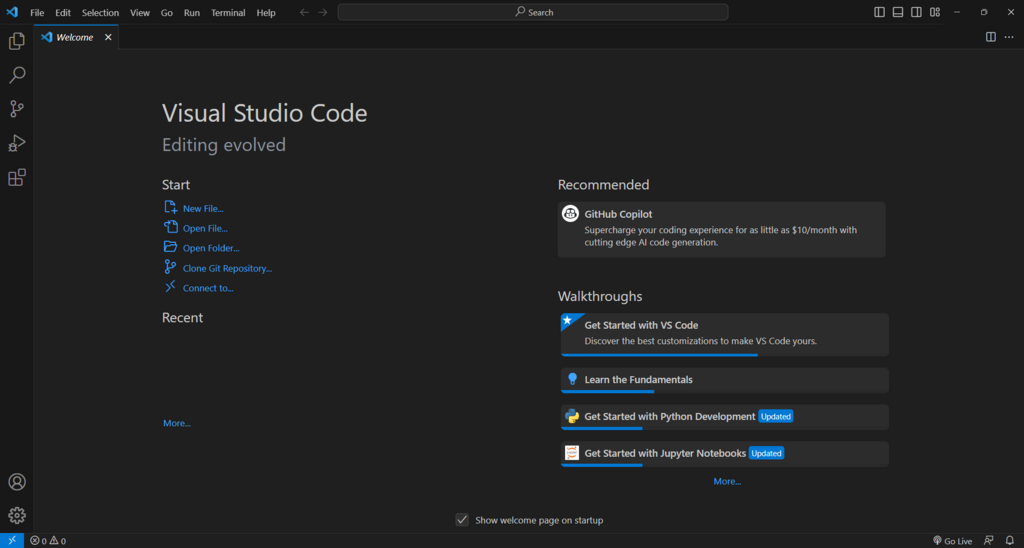
Popular IDEs for Python include Visual Studio Code (VS Code), PyCharm, and Spyder. Python also comes with its own simple IDE called IDLE, which is perfect for getting started. For now, using IDLE or a basic text editor is all you need.
Your First Program
It's a long-standing tradition in programming to start by writing a program that displays the message "Hello, World!" on the screen. It’s a simple way to confirm that your setup is working correctly.
In Python, this is incredibly easy. Open your IDE or text editor and type the following line of code:
print("Hello, World!")
Let’s break this down. print() is a built-in Python function that outputs text to the console. The text you want to print, in this case, "Hello, World!", is placed inside the parentheses and surrounded by quotation marks.
That's it. One line of code is all it takes to print a message.
Now, save the file with a .py extension, for example, hello.py. To run the program, open your computer's terminal or command prompt, navigate to the directory where you saved the file, and type python hello.py. You should see "Hello, World!" printed on the next line.
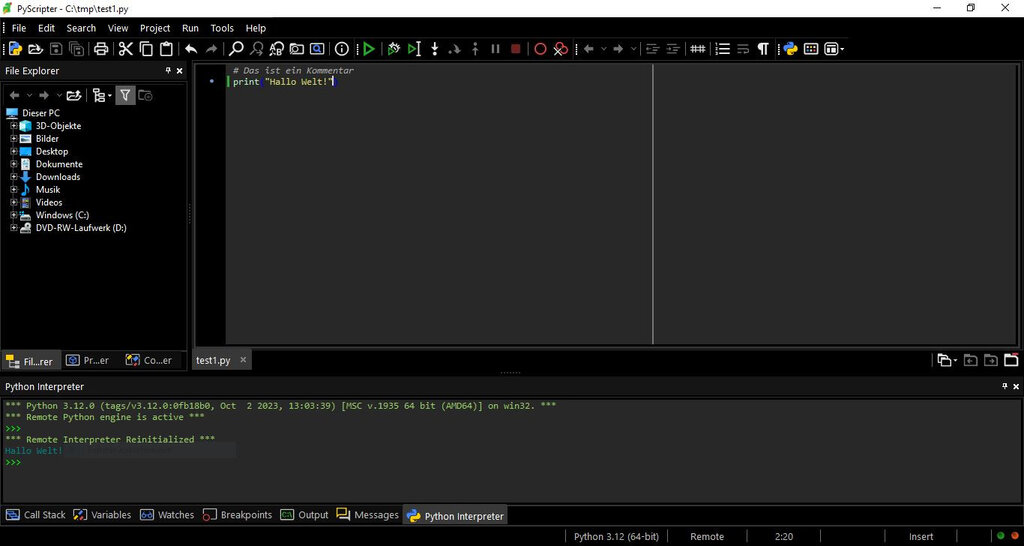
Congratulations, you've just written and executed your first Python program! Now, let's test your understanding of these initial concepts.
Who is the creator of the Python programming language?
What is the correct syntax to display the text "Hello, World!" in the console?
You're now set up and ready to start exploring the world of Python programming.