Introduction to Python Programming
Introduction to Python
What Is Python?
Python is a programming language known for its simple, readable syntax. Think of it less like a rigid set of commands and more like a way to give instructions to a computer using words that are close to plain English. This design makes it one of the most popular languages for beginners.
But its simplicity doesn't mean it's not powerful. Python is used by major companies like Google, Netflix, and NASA for a huge range of tasks. Its versatility is one of its biggest strengths.
Python is used for:
- Web Development: Building the server-side logic of websites.
- Data Science: Analyzing and visualizing large datasets.
- Automation: Writing scripts to automate repetitive tasks.
- Artificial Intelligence: Developing machine learning models.
Setting Up Your Workspace
To start writing Python, you need two things: the Python interpreter itself and a place to write your code. The interpreter is a program that reads your Python code and carries out its instructions.
First, you'll need to install Python. While some operating systems like macOS and Linux come with a version of Python pre-installed, it's always best to install the latest official version from the Python website. This ensures you have access to the most up-to-date features and security fixes.
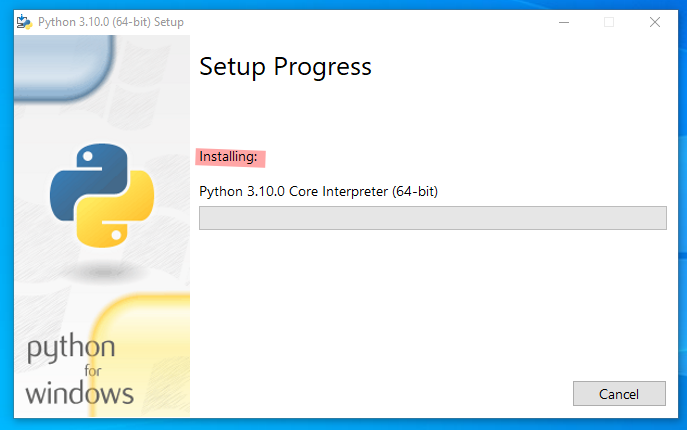
During installation on Windows, make sure to check the box that says "Add python.exe to PATH." This small step will make it much easier to run Python from your computer's command line.
Choosing a Code Editor
Next, you need a program to write and edit your code. While you could technically use a basic text editor like Notepad, most developers use an Integrated Development Environment (IDE) or a dedicated code editor.
IDE
noun
An Integrated Development Environment is a software application that provides comprehensive facilities to computer programmers for software development. An IDE normally consists of at least a source code editor, build automation tools, and a debugger.
An IDE bundles a text editor with other helpful tools, like syntax highlighting (which colors your code to make it more readable) and debugging aids to help you find and fix errors. For beginners, a good IDE can make the learning process much smoother.
Popular choices include Visual Studio Code, PyCharm, and Thonny. We recommend starting with Visual Studio Code because it's powerful, free, and widely used in the industry.
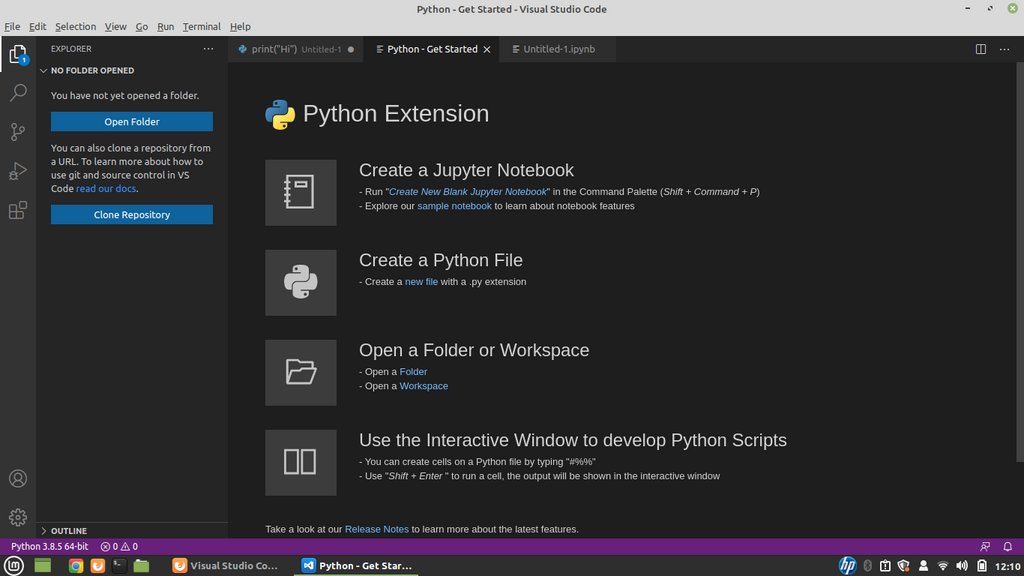
Once you have Python installed and your IDE set up, you have a complete development environment. You're now ready to write your first program.