Introduction to Python Programming
Introduction to Python
What is Python?
Python is a high-level programming language known for its simplicity and readability. Created by Guido van Rossum and first released in 1991, its name wasn't inspired by the snake, but by the British comedy group Monty Python. This origin hints at the language's playful and accessible nature.
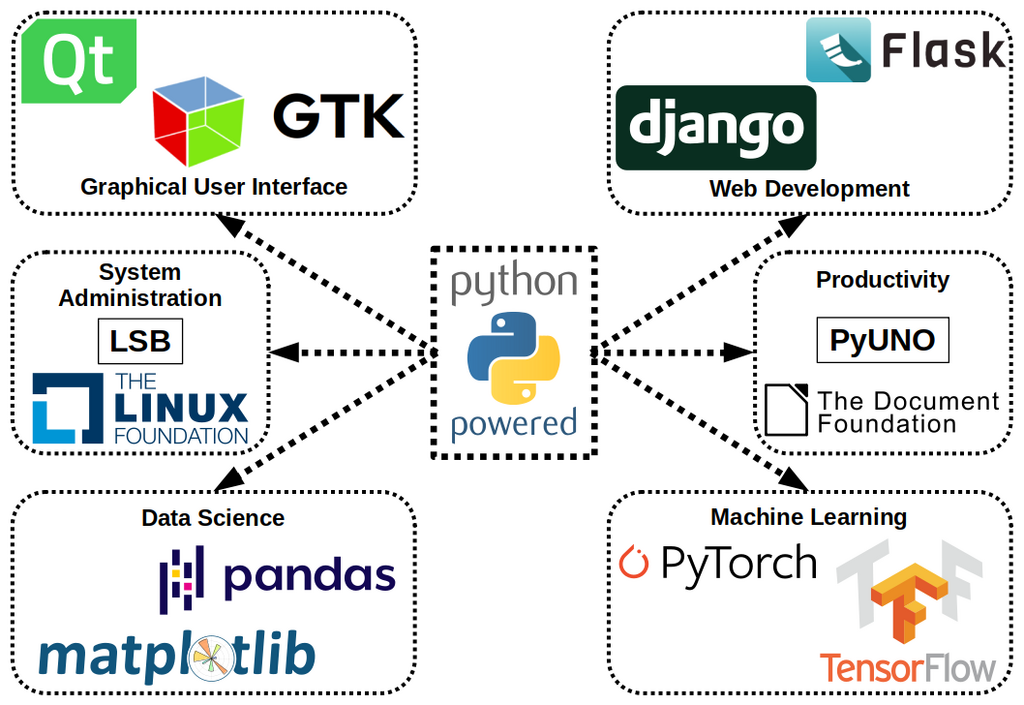
Python's main goal is to let developers write code that is clear and logical, not just for the computer, but for humans too. This makes it a popular first language for beginners and a powerful tool for experts in fields ranging from web development to data science.
The Zen of Python
Python's design is guided by a set of principles known as "The Zen of Python." These aren't strict rules, but rather a collection of aphorisms that capture the language's core philosophy. They emphasize simplicity, clarity, and the importance of writing code that is easy to understand.
Beautiful is better than ugly. Explicit is better than implicit. Simple is better than complex.
This philosophy, often summarized as "Readability counts," means that Python code often looks a lot like plain English. This focus on clarity helps developers work more quickly and collaborate more effectively, as they spend less time trying to decipher complex code and more time solving problems.
Core Features
Several key features make Python stand out. It's an interpreted language, which means you can run code line by line and see the results immediately. This is great for learning and for quickly testing new ideas.
Python also comes with a vast standard library, often described as "batteries included." This library provides ready-to-use tools for a wide range of tasks, from working with text to connecting to the internet, so you don't have to build everything from scratch.
Finally, Python supports multiple programming paradigms. Think of a paradigm as a style or approach to structuring your code. Python isn't picky; it lets you use procedural, object-oriented, or functional programming styles, either on their own or mixed together. This flexibility allows you to choose the best approach for the task at hand.
Smart and Flexible
Two powerful features that contribute to Python's ease of use are dynamic typing and automatic memory management.
Dynamic typing means you don't have to declare the type of a variable when you create it. You can create a variable x and set it to the number 5, and later change x to hold the text "hello." Python figures out the type on the fly. This makes the code more concise and flexible.
Imagine a container that can hold a rock, then water, then sand, without you needing to change the label on the container. That's dynamic typing.
Automatic memory management, often called garbage collection, handles how your program uses computer memory. In some languages, the programmer must manually allocate and free up memory, which can be a tedious and error-prone process. Python does this for you automatically. It keeps track of which parts of memory are no longer in use and clears them out, preventing memory leaks and letting you focus on your code's logic.
Let's review the key concepts we've covered.
Now, test your understanding of Python's foundational ideas.
What was the primary inspiration for the name "Python"?
The guiding principles of Python's design, known as "The Zen of Python," primarily emphasize which of the following?