Introduction to Python Programming
Introduction to Python
What Is Python?
Python is a high-level programming language, which means it’s designed to be easily readable by humans. Its syntax is clean and straightforward, often resembling plain English. This makes it a great language for beginners and a powerful tool for experts.
Created in the late 1980s by Guido van Rossum, Python was named after the British comedy group Monty Python. Van Rossum wanted a language that was powerful but also fun to use. The result is a language that's now used by companies like Google, Netflix, and NASA for everything from building websites to analyzing scientific data.
Python is a versatile and beginner-friendly programming language that has become immensely popular for its readability and wide range of applications.
Readable by Design
Python's core philosophy is captured in a document called "The Zen of Python." It’s a set of 19 guiding principles for writing computer programs. You can actually see it by typing import this into a Python interpreter. The principles emphasize simplicity, readability, and clarity over complexity.
Beautiful is better than ugly. Explicit is better than implicit. Simple is better than complex.
This focus on readability means Python code is often shorter and more intuitive than code in other languages. For example, Python uses indentation (whitespace at the beginning of a line) to group blocks of code, instead of curly braces or keywords. This enforces a clean visual structure that makes code easier to follow.
Where Python Shines
Python's versatility makes it a jack-of-all-trades in the programming world. Its extensive collection of libraries—pre-written code that you can use in your own projects—allows it to handle a wide variety of tasks.
Here are some of its most common applications:
- Web Development: Frameworks like Django and Flask allow developers to build powerful web applications quickly.
- Data Science & Analysis: Libraries such as pandas, NumPy, and Matplotlib make Python the go-to language for manipulating, analyzing, and visualizing data.
- Machine Learning & AI: With tools like TensorFlow and PyTorch, Python is at the forefront of artificial intelligence research and development.
- Automation: Python is excellent for writing scripts to automate repetitive tasks, from organizing files to scraping information from websites.
Getting Started with Python
To start writing Python, you need two key things: the Python interpreter and a place to write your code.
The interpreter is the program that reads your Python code and carries out its instructions. It translates your human-readable code into machine code that the computer's processor can understand. You can download the official Python interpreter from the Python Software Foundation's website, python.org.
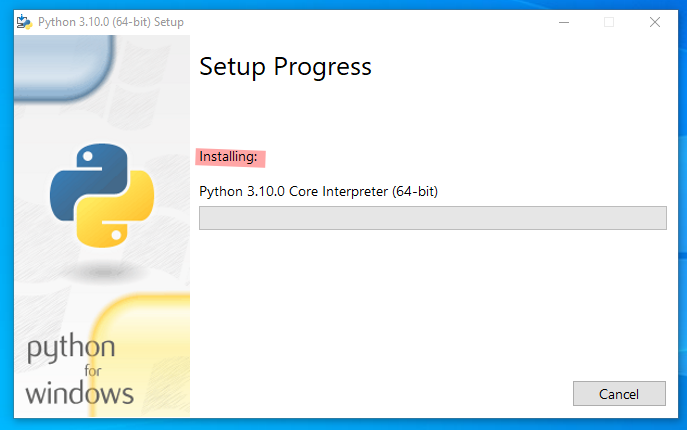
Once installed, you can interact with the interpreter directly through your computer's command line or terminal. This is often called a REPL (Read-Eval-Print Loop), and it's great for testing small snippets of code.
For larger projects, you’ll want to use an Integrated Development Environment (IDE) or a code editor. An IDE is a software application that provides comprehensive tools for programmers, including a code editor, a debugger (for finding errors), and tools for automating tasks. A simpler code editor just focuses on writing and editing code, often with features like syntax highlighting to make it more readable.
| Tool Type | Description | Popular Examples |
|---|---|---|
| Code Editor | Lightweight text editor with programming features. | VS Code, Sublime Text, Atom |
| IDE | Full-featured environment with many built-in tools. | PyCharm, Spyder, Thonny |
For beginners, an IDE like Thonny is often recommended because it's designed specifically for learning and comes with Python built-in. As you grow, you might move to more powerful tools like VS Code or PyCharm.
Ready to check your understanding?
What is a primary characteristic of Python's syntax that enforces a clean visual structure?
The name "Python" was inspired by...
That's a quick look at what Python is and how to get set up. You now have a foundation to start exploring the language and writing your first lines of code.