Introduction to Python Programming
Introduction to Python
Meet Python
Python is a popular programming language, but it wasn't named after the snake. It was named after the British comedy troupe Monty Python's Flying Circus. This tells you a little something about its creator, Guido van Rossum. In the late 1980s, he wanted to create a language that was powerful but also fun and easy to read. He built Python on a few key ideas: code should be simple, beautiful, and readable.
Simple is better than complex. Readability counts.
These are lines from the "Zen of Python," a set of guiding principles for the language. This focus on clarity is why Python code often looks a lot like plain English. It's a great language for beginners because you can focus on learning programming concepts without getting bogged down by complicated syntax.
Why It's So Popular
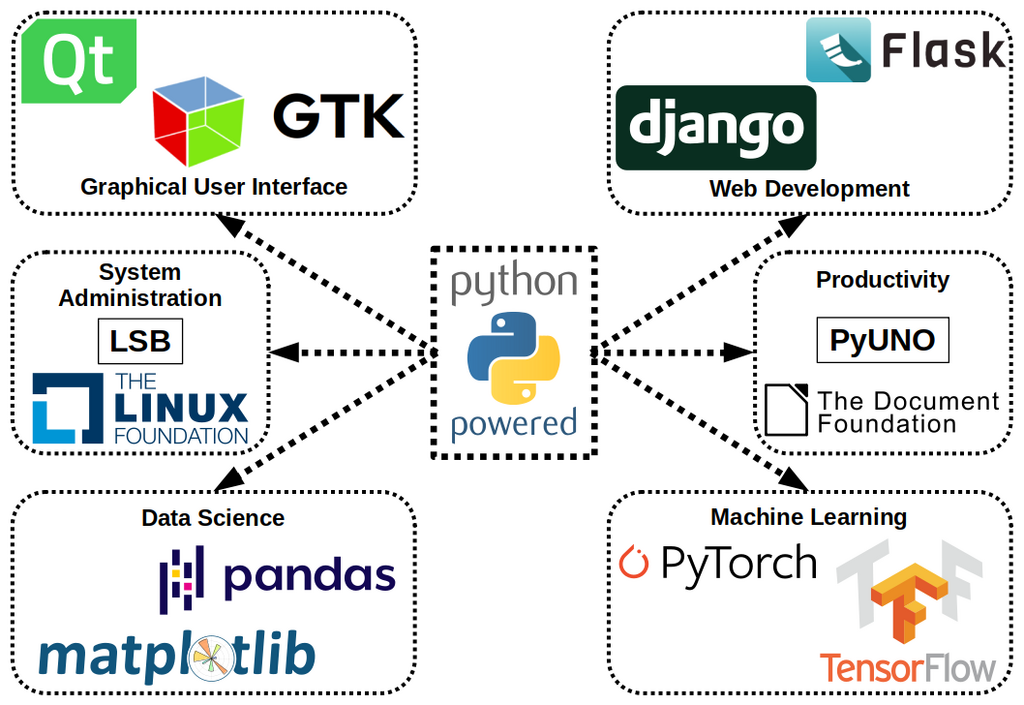
Python's popularity comes from its versatility. It's used everywhere: for building websites, analyzing data, creating artificial intelligence models, and even automating repetitive tasks. This is possible because of a few core features.
First, Python is a high-level language. This means it handles a lot of the computer's complexity for you, like memory management. You get to focus on the problem you're trying to solve, not the nitty-gritty details of how the computer works.
Second, it's an interpreted language. Think of an interpreter as a live translator. It reads your code line by line and executes it immediately. This is different from compiled languages, which need to be fully translated into machine code before they can run. The interpreted approach makes testing and debugging faster.
Finally, Python is dynamically typed. You don't have to declare the type of a variable (like a number or a piece of text) before you use it. The interpreter figures it out as the program runs. This makes the code shorter and more flexible.
Setting Up Your Workspace
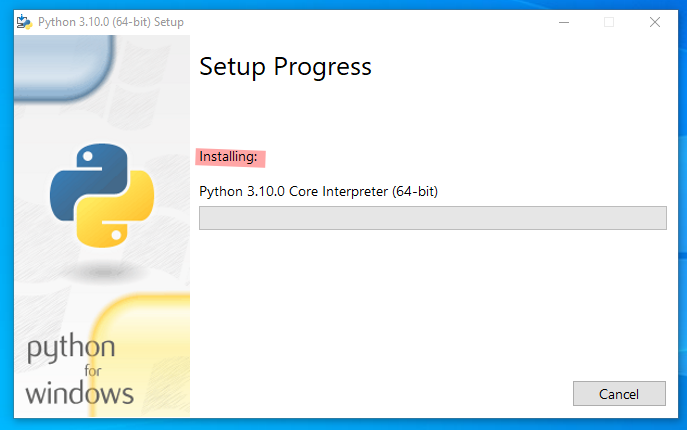
Before you can start writing Python, you need to install it on your computer. The official place to get it is the Python website, python.org. You'll want to download the latest stable version for your operating system (Windows, macOS, or Linux). The installation is straightforward, just follow the instructions in the installer.
Once Python is installed, you need a place to write and run your code. This is where an Integrated Development Environment (IDE) comes in. An IDE is like a specialized text editor built for programming. It often includes features like syntax highlighting (coloring your code to make it easier to read) and debugging tools (to help you find and fix errors).
Think of an IDE as a chef's kitchen. It has everything you need—a cutting board (the editor), a stove (the runner), and cleaning tools (the debugger)—all in one place.
Here are a few popular IDEs for Python:
- IDLE: This is the IDE that comes bundled with Python. It's simple and lightweight, which makes it a good starting point for absolute beginners.
- PyCharm: A more powerful, professional IDE with many advanced features. It has a free community version that's perfect for learning.
- Jupyter Notebook: This is a web-based tool that's extremely popular in data science and academic research. It lets you write and run code in individual cells, mixing code with text, images, and plots. This makes it great for exploring data and explaining your work.
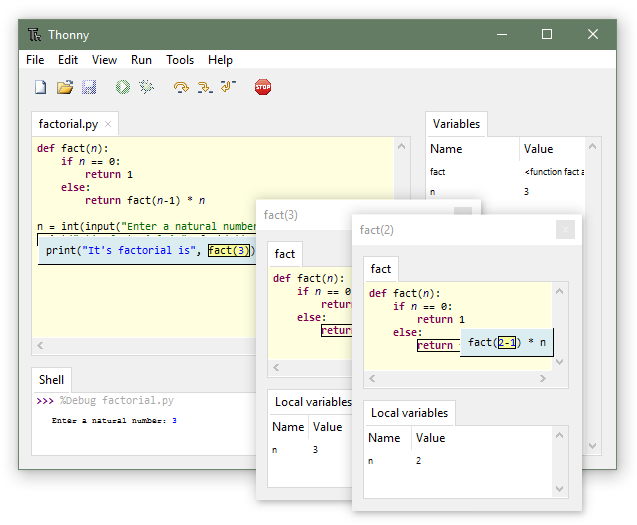
Choosing an IDE is a matter of personal preference. For now, you can start with IDLE since it's already installed. As you gain more experience, you can explore other options that fit your workflow.
What was the Python programming language named after?
The "Zen of Python," a set of guiding principles for the language, emphasizes that code should be simple, beautiful, and ______.