Introduction to Python Programming
Introduction to Python
What is Python?
Python is a high-level, general-purpose programming language. Let's break that down. "High-level" means it's designed to be easy for humans to read and write. It handles a lot of complex computer operations in the background, so you can focus on solving your problem.
It was created in the late 1980s by Guido van Rossum, who wanted to make a language that was both powerful and easy to read. Its syntax is clean and looks a bit like plain English, which is why it's a popular choice for beginners.
Python is a versatile, high-level programming language known for its readability and simplicity.
The Zen of Python
Python has a guiding philosophy, a set of principles that influence its design. It's called "The Zen of Python." These principles stress simplicity, readability, and explicitness. The idea is that code is read more often than it's written, so it should be easy to understand at a glance.
Beautiful is better than ugly. Explicit is better than implicit. Simple is better than complex.
These aren't just suggestions; they're baked into the language itself. You can actually see the full list of principles by running a simple command in Python. It’s a fun little Easter egg.
import this
What Is Python Used For?
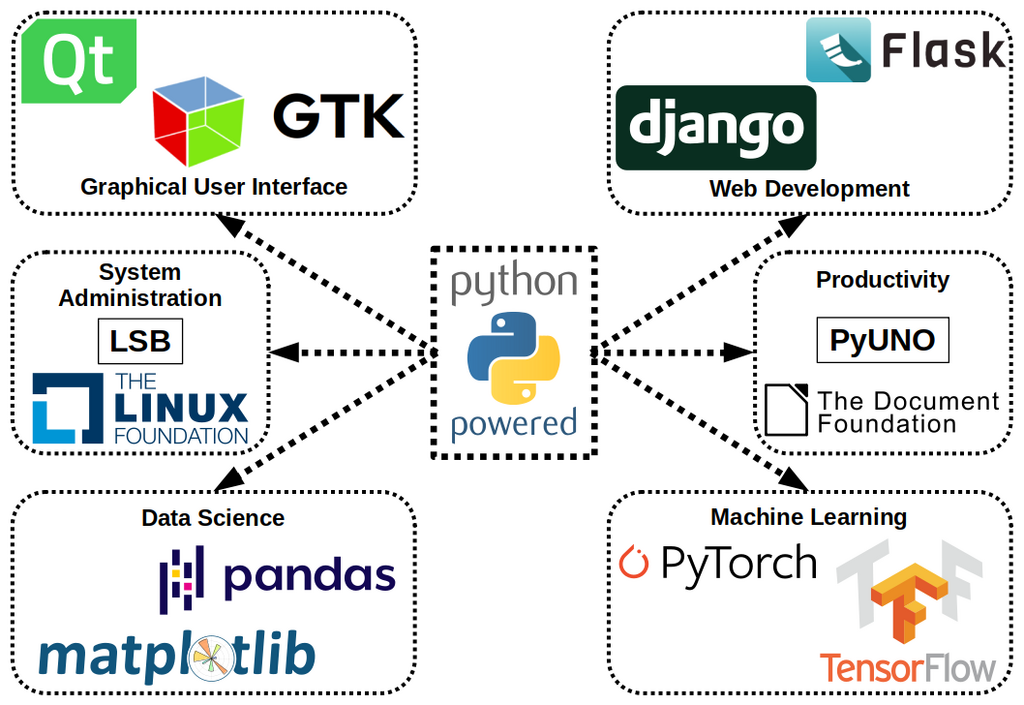
Python's versatility is one of its biggest strengths. It’s not just for one thing; it's a jack-of-all-trades in the programming world. Here are a few common areas where Python shines:
- Web Development: Frameworks like Django and Flask allow developers to build powerful web applications quickly.
- Data Science & Machine Learning: Libraries such as pandas, NumPy, and TensorFlow have made Python the go-to language for analyzing data, visualizing findings, and building artificial intelligence models.
- Automation and Scripting: Python is excellent for writing small scripts to automate repetitive tasks, like renaming files, sending emails, or scraping data from websites.
- Software Development: It's used for building desktop applications, games, and productivity tools.
Getting Started
Ready to get your hands dirty? The first step is installing Python on your computer. You can download the latest version from the official website, python.org. The site provides installers for Windows and macOS.
Many macOS and Linux systems come with a version of Python pre-installed, but it's often an older version. It's always a good idea to install the latest stable version to have access to new features and security updates.
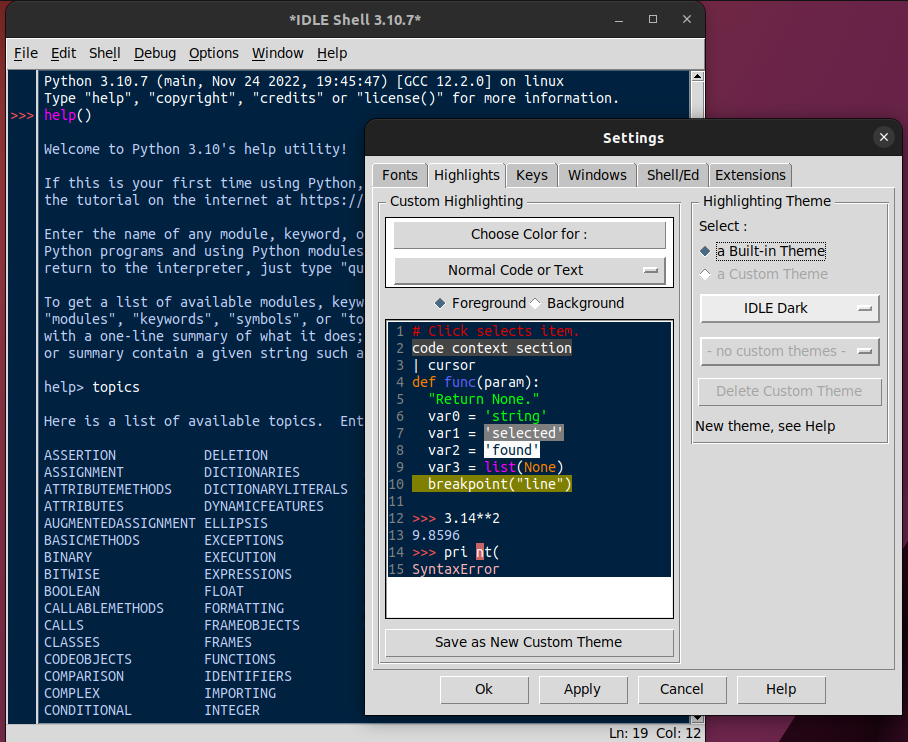
Once Python is installed, you have what you need to run Python code. Programmers often use an Integrated Development Environment (IDE), which is a software application that provides tools to make coding easier. An IDE is like a word processor for code, with features like syntax highlighting and debugging.
Python's installation includes a simple IDE called IDLE, which is great for beginners. Other popular choices include Visual Studio Code and PyCharm.
To confirm that Python is installed correctly, you can open your computer's command prompt (on Windows) or terminal (on macOS/Linux). Type the following command and press Enter.
python --version

# Or, on some systems, you might need to use:
python3 --version
If you see a version number, like Python 3.12.0, you're all set! Your development environment is ready, and you can start writing your first lines of code.
What does it mean for Python to be a "high-level" programming language?
What is the name of the set of principles that guides Python's design, emphasizing simplicity and readability?
Now you know what Python is, its core philosophy, and how to set it up. In the next section, we'll start diving into the actual syntax and write our first program.