Introduction to Python Programming
Setting Up Python
Getting Python Ready
Before you can write any Python code, you need to install the Python interpreter on your computer. Think of the interpreter as the engine that understands and runs your Python instructions. The best place to get it is from the official source.
Head over to python.org and look for the downloads section. You'll see buttons for the latest versions for Windows, macOS, and Linux. It's best to download the latest stable version, not a beta or pre-release version. The installer will guide you through the process, which is usually just a few clicks.
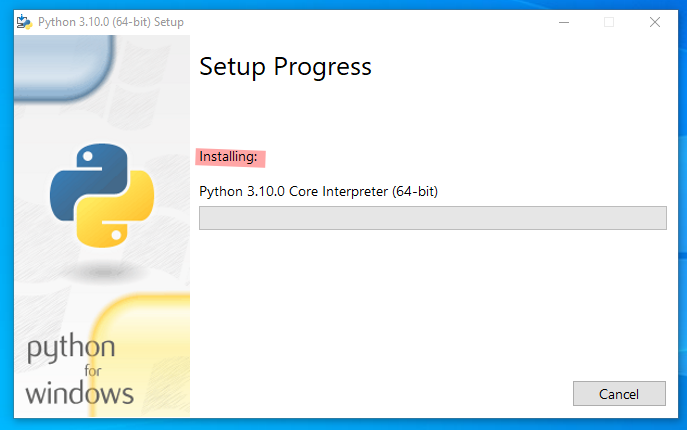
During installation on Windows, you'll see a checkbox that says "Add python.exe to PATH". Make sure to check this box! It makes it much easier to run Python from your computer's command line later on.
Your Coding Workshop
Now that Python is installed, you need a place to write and run your code. While you could use a simple text editor, it's much easier to use an Integrated Development Environment, or IDE. An IDE is like a specialized workshop for programmers. It bundles a text editor with tools that help you write, test, and run your code all in one place.
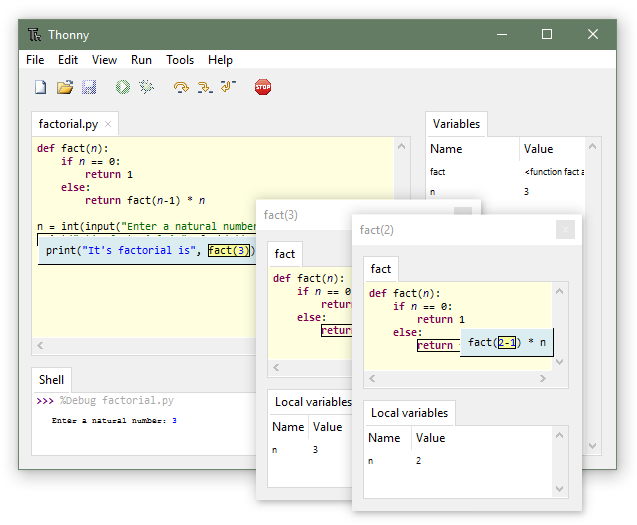
For beginners, a great choice is Thonny. It's designed specifically for learning and teaching programming. It has a clean, simple interface and comes with Python built-in, so you don't have to worry about complex configuration. You can download it for free from thonny.org.
Running Your First Script
Once Thonny is installed, open it up. You'll see a main window for writing code (the editor) and a panel at the bottom called the Shell. The Shell is where you'll see the output of your programs.
Let's write the traditional first program for any new language. In the editor window, type the following line:
print("Hello, World!")
This code tells Python to display the text inside the quotation marks. Now, save the file. Go to File > Save and name it something like hello.py. The .py extension is important—it tells the computer this is a Python file.
To run your script, simply click the green "Run current script" button in the toolbar (it looks like a play symbol). You should see the text "Hello, World!" appear in the Shell below.
Congratulations, you've just written and executed your first Python program! This simple process of writing, saving, and running is the fundamental cycle you'll use for all your future projects.
What is the official website to download the Python interpreter?
What is the primary purpose of an Integrated Development Environment (IDE)?
With your environment set up, you're now ready to start exploring the fundamentals of the Python language.