Introduction to Python Programming
Introduction to Python
What is Python?
Python is a high-level programming language known for its clear, readable syntax. Think of it less like a cryptic code and more like a set of structured instructions written in something close to English. This design philosophy makes it one of the most beginner-friendly languages to learn.
It was created in the late 1980s by Guido van Rossum, who wanted to build a language that was both powerful and easy to write. Its popularity has exploded over the years, largely because of its versatility. You can use Python for just about anything, from building websites to analyzing data to automating repetitive tasks. A massive global community supports the language, meaning you can almost always find help and pre-built code to solve common problems.
What's It Used For?
Python is a general-purpose language, which means it isn’t specialized for just one task. It’s more like a Swiss Army knife for programmers.
Some of its most popular applications include:
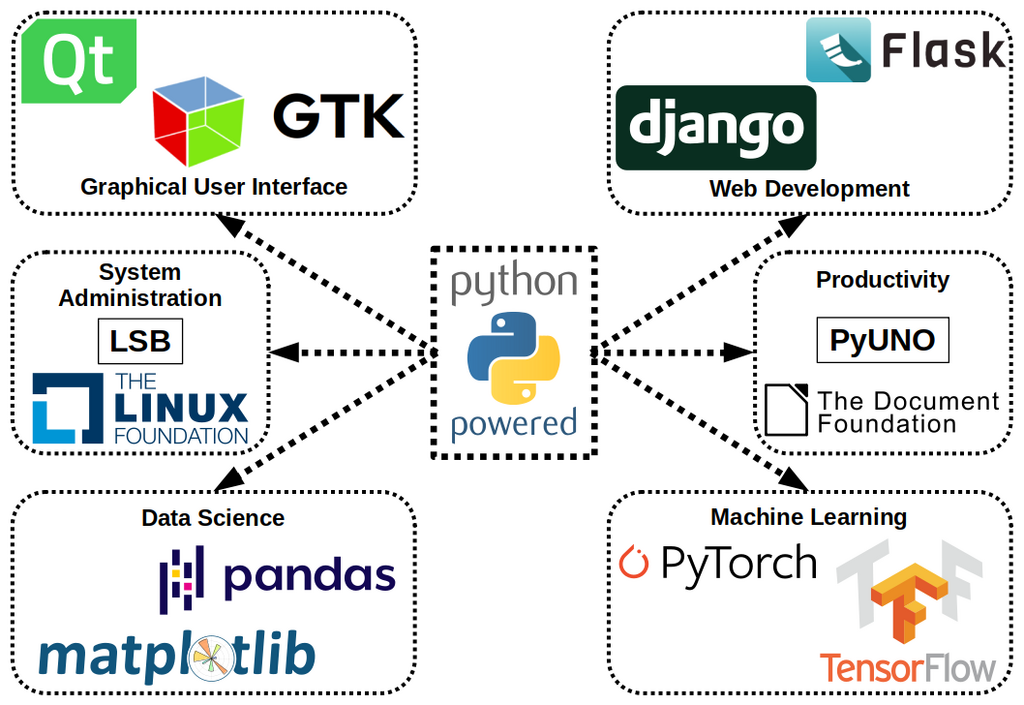
- Web Development: Creating the backend logic for websites and web apps using frameworks like Django and Flask.
- Data Science & Machine Learning: Analyzing huge datasets, visualizing information, and building predictive models.
- Automation & Scripting: Writing small programs to automate repetitive tasks, like renaming thousands of files or scraping data from the web.
- Software Development: Building desktop applications and games.
Getting Set Up
To start writing Python, you need two things: the Python interpreter and a place to write your code. The interpreter is the program that reads your Python code and carries out its instructions. A code editor or an Integrated Development Environment (IDE) is a specialized text editor that makes writing code easier with features like syntax highlighting and error checking.
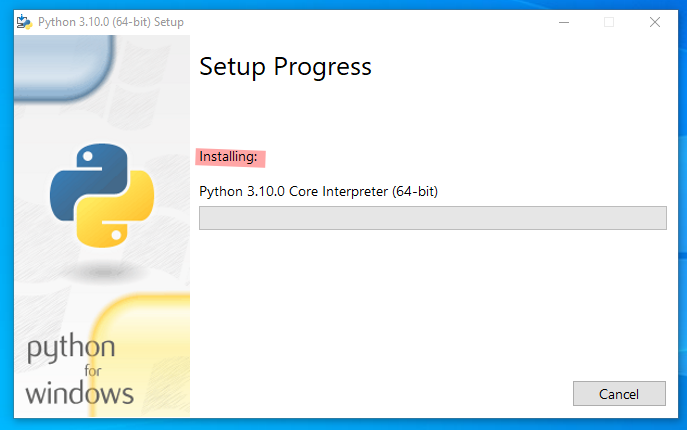
First, you'll need to install Python itself. You can download the latest version from the official website, python.org. The installer will guide you through the steps. During installation on Windows, make sure to check the box that says "Add python.exe to Path" to make it easier to run from the command line.
Next, choose an IDE. While you can write Python in a simple text editor, an IDE provides a much better experience. Some popular choices are:
- PyCharm: A powerful, full-featured IDE specifically for Python.
- Visual Studio Code (VS Code): A lightweight but highly extensible code editor with great Python support.
- Jupyter Notebook: A web-based tool that's especially popular in data science for its ability to mix code, text, and visualizations in one document.
For beginners, PyCharm or VS Code are excellent starting points. Download and install the one you prefer from its official website.
Your First Program
It's a long-standing tradition in programming to make your first program display the text "Hello, World!" on the screen. It's a simple way to confirm that your setup is working correctly.
Open your IDE and create a new file. Save it as hello.py. The .py extension is important, as it tells the computer that this is a Python file.
In that file, type the following line of code:
print("Hello, World!")
That's it. This single line tells Python to use the built-in print function to display the text inside the parentheses and quotation marks.
Now, run the file. Most IDEs have a "Run" button (often a green triangle) that will execute the code for you. If you're using the command line, navigate to the directory where you saved the file and type python hello.py.
You should see this output:
Hello, World!
Congratulations! You've just written and executed your first Python program.
What is the primary role of the Python interpreter?
According to the text, Python is described as a "general-purpose" language. What does this mean?