Introduction to Python Programming
Python Basics
Meet Python
Think of a programming language as a set of instructions you can give to a computer. Python is a popular language because its rules and structure are a lot like English, which makes it one of the easiest languages to learn.
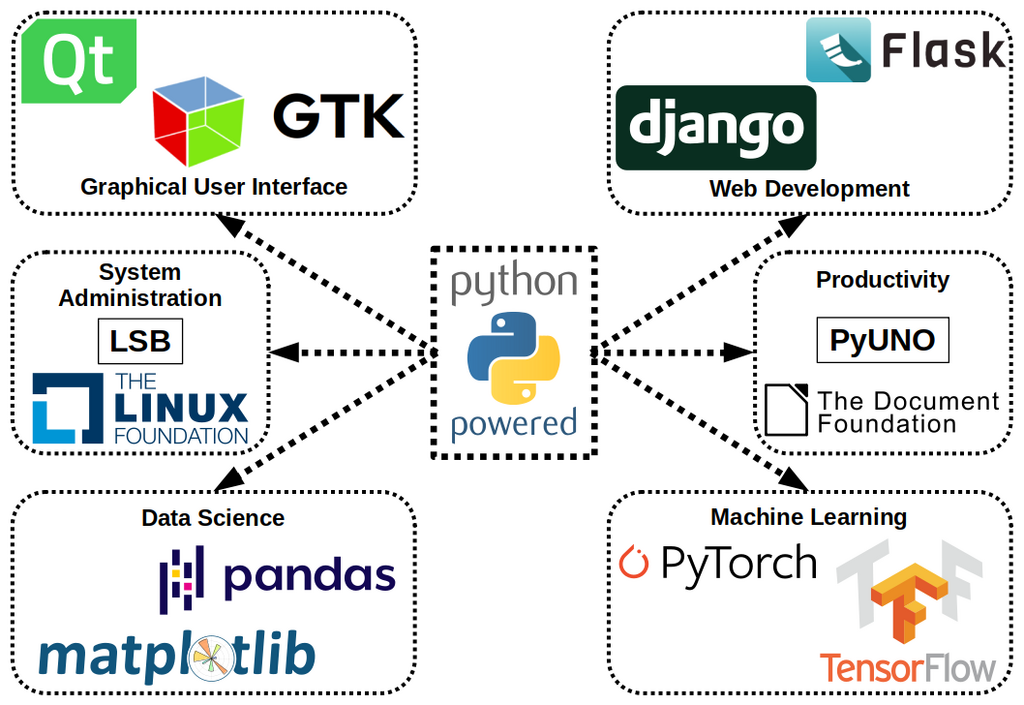
It’s also incredibly versatile. Programmers use Python for all sorts of things: building websites, analyzing huge amounts of data, creating video games, and even automating repetitive tasks. It's the engine behind parts of Instagram, Google, and Spotify.
A Brief History
Python was created in the late 1980s by a Dutch programmer named Guido van Rossum. He wanted to make a language that was both powerful and easy to read. The name doesn't come from a snake, but from Guido's favorite comedy troupe, Monty Python's Flying Circus.
This focus on simplicity and readability is at the heart of Python's design philosophy. The goal is to let programmers write clear, logical code for projects both small and large.
Unlike many other languages, Python uses simple punctuation and keywords, making code look clean and uncluttered.
Getting Set Up
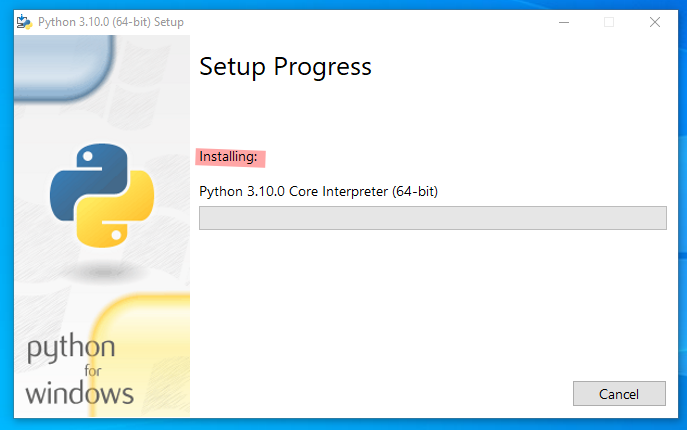
To start writing Python, you need an interpreter. This is a program that reads your Python code and translates it into instructions the computer can execute. The official interpreter is free and available on the Python website, python.org.
When you install Python, it comes with a simple program called IDLE (Integrated Development and Learning Environment). IDLE includes a text editor for writing your code and a shell for running it. It's a perfect starting point for any beginner.
Your First Program
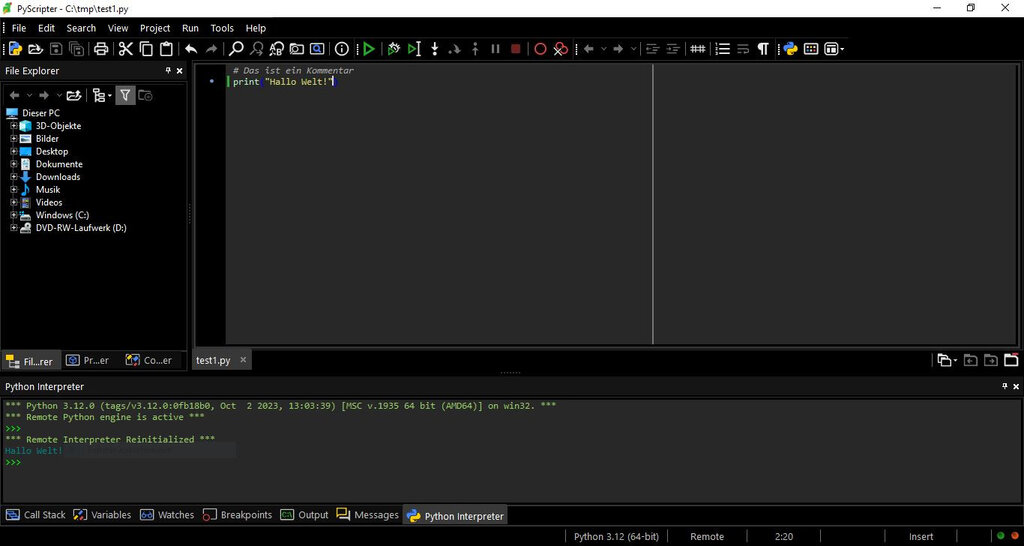
It's a tradition in programming to make your first program display the text "Hello, World!". In Python, this is incredibly simple. It takes just one line of code using the built-in print() function.
# This line tells the computer to display the text inside the parentheses.
print("Hello, World!")
You can type this directly into the Python IDLE shell and press Enter to run it. Or, you can save it in a file with a .py extension (like hello.py) and run the file. Either way, you'll see the same output.
That's it! You've just written and executed your first Python program. Now, let's test what you've learned.
What is the primary reason Python is considered a good language for beginners?
The name "Python" was inspired by its creator's favorite comedy troupe, Monty Python's Flying Circus.
You're now set up and ready to dive deeper into the fundamentals of Python.