Introduction to Python Programming
Python Basics
What is Python?
Python was created in the late 1980s by Guido van Rossum. He wanted to make a language that was easy to read and powerful at the same time. Fun fact: he named it after the British comedy troupe Monty Python, not the snake.
Today, Python is one of the most popular programming languages in the world. It’s known for a few key features:
- Readability: Python code looks a lot like plain English. This makes it easier to learn and understand than many other languages.
- Versatility: You can use Python for almost anything, from building websites and analyzing data to creating games and automating tasks.
- Beginner-Friendly: Its simple syntax means you can start writing useful programs quickly without getting bogged down in complex rules.
Getting Started
Before you can write Python code, you need to install it on your computer. The official Python website, python.org, is the best place to get it. The download includes the Python interpreter, which is what runs your code, and a basic editor called IDLE (Integrated Development and Learning Environment) that you can use to write your first programs.
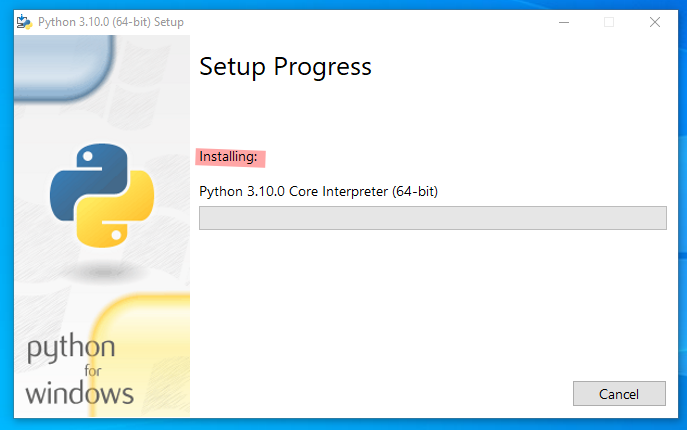
Once installed, you can open IDLE or your computer's terminal (like Command Prompt on Windows or Terminal on macOS/Linux). This is where you'll write and execute your code.
Your First Program
It's a tradition in programming to start by making the computer say "Hello, World!". In Python, this is incredibly simple. It takes just one line of code.
print("Hello, World!")
That’s it. The print() part is a function, a pre-written piece of code that performs a specific action. In this case, it tells the computer to display whatever is inside the parentheses on the screen. The text inside the quotes is called a string, which is just a sequence of characters.
Type
print("Hello, World!")into your Python interpreter or IDLE and press Enter. You've just run your first program.
The Rules of Python
Every language has rules. In programming, these rules are called syntax. Python's syntax is known for being clean and uncluttered. One of the most important, and unique, rules in Python is about indentation.
Indentation refers to the spaces at the beginning of a line of code. In many languages, indentation is just for looks. In Python, it’s a rule. It's how Python knows which lines of code belong together in a block.
For example, when we get to code that makes decisions, the indentation will show what should happen if a certain condition is true. If you get it wrong, your program won't run. The standard is to use four spaces for each level of indentation.
# This is a comment.
# Python ignores anything after a hash symbol.

# This line will be executed:
print("This is code.") # This is an inline comment.
Another key part of writing good code is adding comments. A comment is a note for humans that the computer completely ignores. In Python, you create a comment by starting a line with the hash symbol (#).
Comments are useful for explaining what your code does, why you made a certain choice, or leaving reminders for yourself or others who might read your code later.
Who is credited with creating the Python programming language?
What is the primary purpose of the print() function in Python?
You've taken your first steps into the world of Python. You know where it came from, how to get it running, and how to write a simple program while following its most important rules.