Introduction to Python Programming
Introduction to Python
What Is Python?
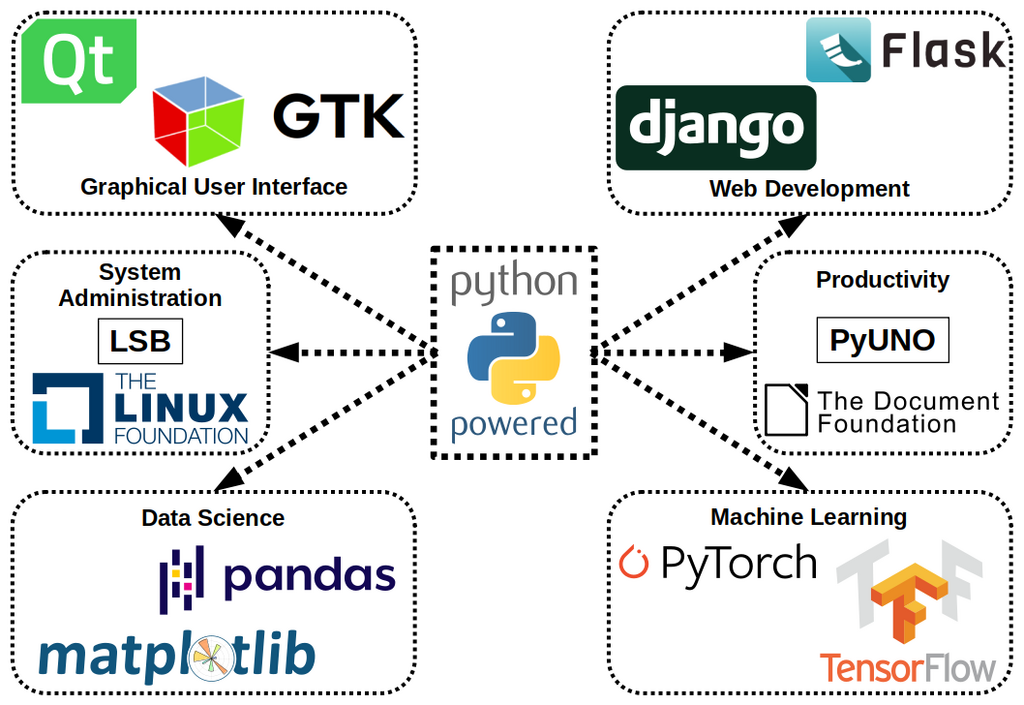
Think of Python as a multi-tool for talking to computers. It’s a programming language, but its strength is its incredible versatility. You can use it to build a website, analyze scientific data, create video games, or even control a robot. This is why it’s called a “general-purpose” language.
Python is a versatile, high-level programming language known for its readability and simplicity.
Python is also a “high-level” language, which means it handles a lot of the computer’s complex inner workings for you. Instead of worrying about memory management or CPU instructions, you can focus on what you want your program to do. This makes it much faster to write code and easier for beginners to learn.
The Zen of Python
Python wasn't designed by a committee. It was created by Guido van Rossum, who wanted a language that was fun to use and easy to read. His guiding principles, known as “The Zen of Python,” are a set of 19 aphorisms that shape the language's philosophy. You can actually see them by typing import this into a Python interpreter.
Beautiful is better than ugly. Simple is better than complex. Readability counts.
This focus on readability is not just a nice idea; it's enforced by the language's syntax. The most famous example is Python's use of whitespace. Instead of using curly braces {} or keywords to group code, Python uses indentation. This forces every developer to write clean, organized code that's easy for anyone to understand at a glance.
# In Python, indentation defines the block of code
if temperature > 30:
    print("It's a hot day!")
    print("Drink plenty of water.")

# Other languages might use curly braces
// if (temperature > 30) {
//   printf("It's a hot day!");
//   printf("Drink plenty of water.");
// }
Python also supports multiple ways of structuring your programs, known as programming paradigms. You can write simple, step-by-step scripts (procedural), organize your code into reusable blueprints called objects (object-oriented), or treat actions as mathematical functions (functional). This flexibility allows you to pick the best approach for the problem you're trying to solve.
Getting Started
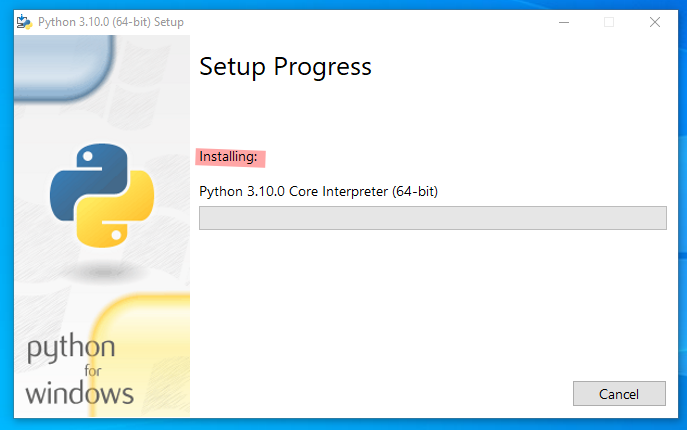
Ready to start? The first step is to install Python on your computer. You can download the latest version from the official website, python.org. The installation process is straightforward for Windows, macOS, and Linux.
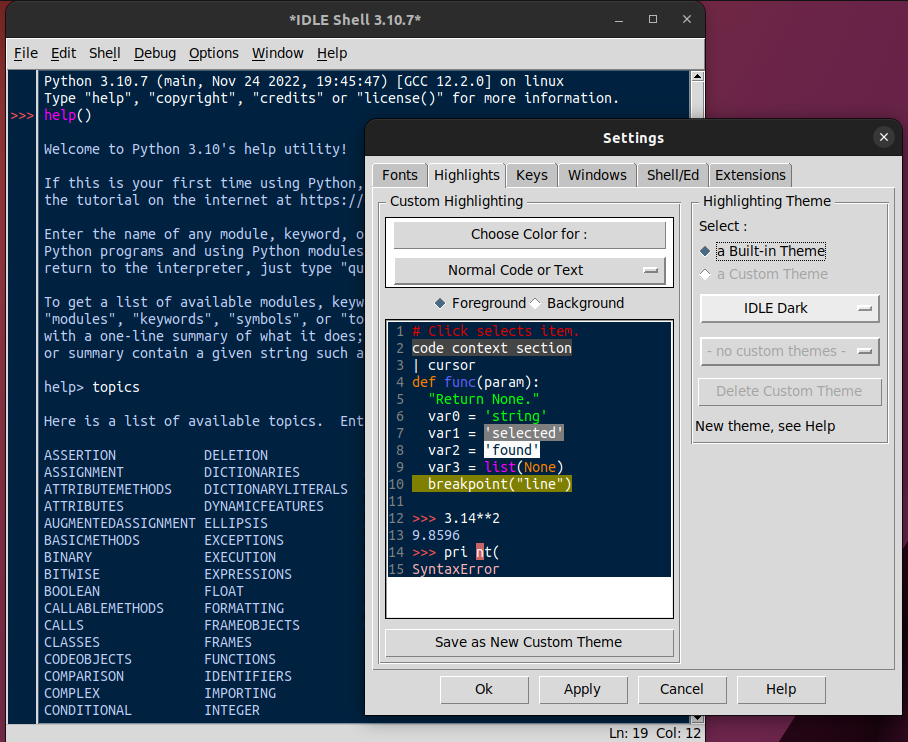
When you install Python, you'll get a few things: the Python interpreter, which runs your code, and a basic development environment called IDLE.
Once Python is installed, you can write and run scripts. You can use a simple text editor and run your code from the command line, or you can use an Integrated Development Environment (IDE). An IDE is a software application that provides comprehensive facilities to programmers for software development. It typically consists of a source code editor, build automation tools, and a debugger.
For beginners, IDLE is a good place to start. It's simple and comes with Python. As you progress, you might want to explore more powerful IDEs like VS Code (with the Python extension), PyCharm, or Thonny.
To check if your installation was successful, open your command prompt or terminal and type python --version (or python3 --version on some systems). If you see a version number, you're all set to start your programming journey.
Let's check your understanding of these core concepts.
Why is Python often described as a "general-purpose" language?
What does Python use to define the structure and grouping of code blocks, such as loops or functions?