Introduction to Python Programming
Introduction to Python
What Is Python?
Python is a high-level, general-purpose programming language. It was created in the late 1980s by Guido van Rossum and first released in 1991. The name wasn't inspired by a snake, but by the British comedy group Monty Python. This choice reflects a key part of the language's philosophy: programming should be enjoyable.
Python's design emphasizes code readability with its simple, clean syntax. The idea is to let programmers write clear, logical code for projects of any size. It's often described as a "batteries-included" language due to its large standard library, which provides tools for many common tasks.
Why Use Python?
Python's popularity comes from a few core strengths. First, it's incredibly easy to learn and read. The syntax is straightforward and looks a lot like plain English, which makes it a great starting point for beginners. You spend less time wrestling with complex rules and more time thinking about the problem you want to solve.
Readability counts. Python's clean look isn't just for show—it makes code easier to maintain and debug, both for the original author and for others on a team.
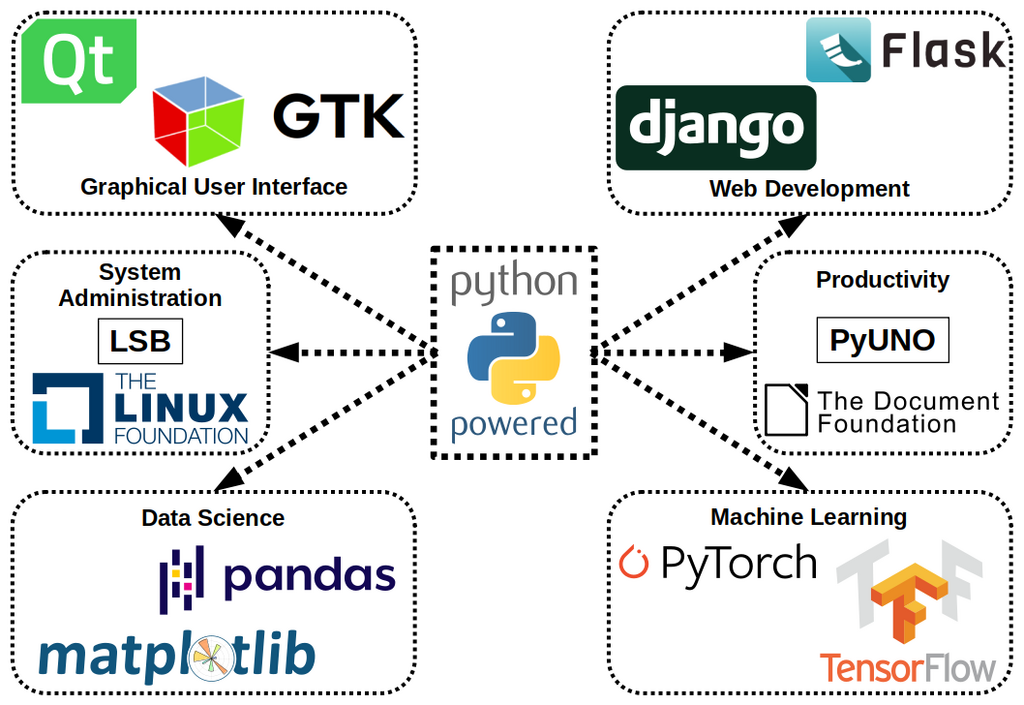
It's also extremely versatile. Python isn't a one-trick pony. It's used for building websites and web applications, automating repetitive tasks, analyzing data, and powering machine learning algorithms. Companies like Google, Netflix, and Spotify use it extensively in their operations.
Finally, Python has a massive, active community. This means there's a huge collection of pre-written code, called libraries and frameworks, that you can use to speed up your development. If you run into a problem, chances are someone else has already solved it and shared the solution.
Getting Started
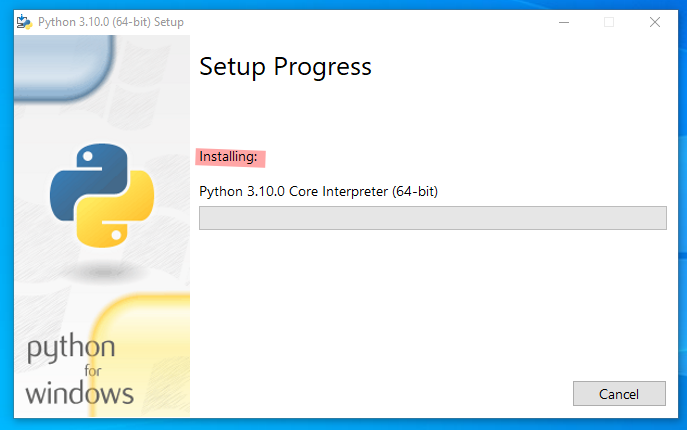
Ready to dive in? The first step is to install Python on your computer. You can download the official installer from the Python website, python.org.
You might see references to Python 2 and Python 3. Python 3 is the current, actively developed version. While some older projects might still use Python 2, all new development should use the latest version of Python 3. The installation is usually as simple as downloading the file and running it.
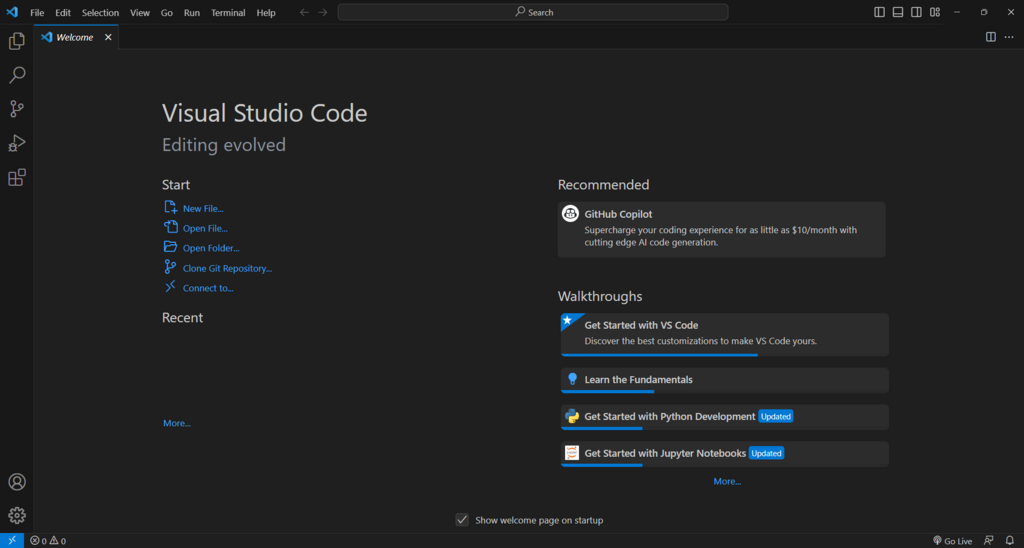
Once Python is installed, you need a place to write your code. You can use a simple text editor like Notepad or TextEdit, but most developers prefer an Integrated Development Environment (IDE) or a dedicated code editor. These tools offer helpful features like syntax highlighting, which colors your code to make it more readable, and debugging tools to help you find and fix errors.
Some popular choices include:
- Visual Studio Code (VS Code): A free, highly customizable code editor with a huge library of extensions for Python development.
- PyCharm: A powerful IDE specifically designed for Python. It has a free community edition and a paid professional version.
- IDLE: A simple IDE that comes bundled with the default Python installation. It's a great way to start writing code immediately without any extra setup.
After setting up your environment, you can write your first program. It's a tradition in programming to start by making the computer say "Hello, World!"
print("Hello, World!")
This single line of code tells Python to use the print function to display the text inside the parentheses on the screen. Running this simple script is the first step on your programming journey.
Let's check your understanding of these initial concepts.
What was the inspiration for the name 'Python'?
Python's design philosophy emphasizes code readability and simplicity.
Now you have a foundational understanding of what Python is, why it's so popular, and how to get it set up.