Introduction to Python Programming
Introduction to Python
Your First Steps in Python
Python is a programming language known for its readability and simplicity. It was created in the late 1980s by Guido van Rossum, who wanted a language that was easy to read and write, almost like plain English. This design philosophy makes it a great choice for beginners.
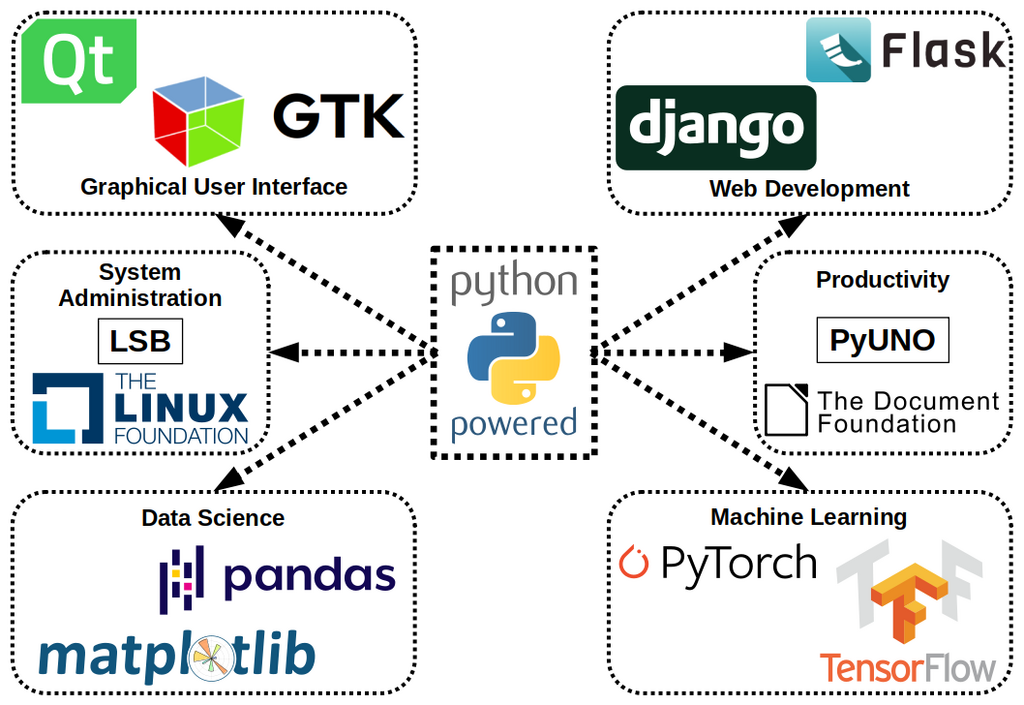
The core idea behind Python is that code is read more often than it's written. Because of this, Python's rules encourage a clean, simple style. It's versatile, too. You can use Python for web development, data analysis, artificial intelligence, and automating simple tasks.
Python's simple syntax means you can solve complex problems with fewer lines of code compared to other languages like Java or C++.
Setting Up Your Workspace
Before you can write Python code, you need to install the Python interpreter. This is the program that reads your code and runs it. You can download the latest version from the official website, python.org.
While macOS and many Linux systems come with Python pre-installed, it's often an older version. It's always a good practice to install the most recent stable release to get the latest features and security updates.
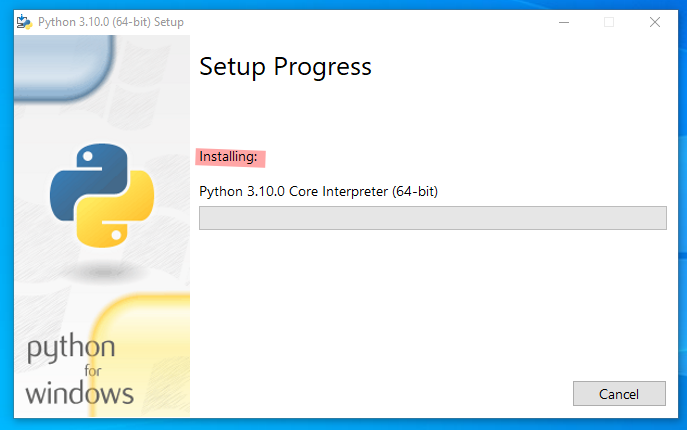
Important tip for Windows users: During installation, be sure to check the box that says "Add Python to PATH." This allows you to run Python from your computer's command line.
Next, you'll want a good code editor. While you can write Python in a simple text editor, an Integrated Development Environment (IDE) makes the process much smoother. An IDE is software that combines a code editor with other helpful tools, like syntax highlighting and debugging.
Two popular choices for Python are Visual Studio Code (VS Code) and PyCharm. Both are free and offer great features for beginners and experts alike. We'll use a simple approach for now, but installing an IDE is a great next step for serious coding.
Hello World
It's a tradition in programming to start by making the computer say "Hello, World!". This simple task confirms that your setup is working correctly. In Python, this is incredibly straightforward.
All you need is the print() function. A function is a reusable block of code that performs a specific action. The print() function's job is to display whatever you put inside its parentheses.
print("Hello, World!")
Let's break that down. print is the name of the function. The parentheses () are used to pass information to the function. The text "Hello, World!" is called a string, which is just a sequence of characters. The quotation marks tell Python that this is text.
To run this code:
- Open a plain text editor and type the line above.
- Save the file as
hello.py. The.pyextension is important; it tells your computer this is a Python file. - Open your computer's terminal or command prompt.
- Navigate to the folder where you saved
hello.py. - Type
python hello.pyand press Enter.
If everything is set up correctly, you'll see Hello, World! printed in your terminal. Congratulations, you've just run your first Python program.
Who is the creator of the Python programming language?
What is the primary design philosophy behind Python?
That's all it takes to get started. You've learned about Python's history, set up your environment, and written your first line of code.