Introduction to Psychology
Introduction to Psychology
What Is Psychology?
Psychology is the scientific study of the mind and behavior. It’s a field that seeks to understand why we think, feel, and act the way we do. Think of it like being a detective of the human experience. Psychologists use observation and experimentation to piece together clues about our inner worlds and outward actions.
The ultimate goal is to describe, explain, predict, and sometimes change behavior and mental processes for the better.
This scope is vast. It covers everything from how your brain cells communicate when you learn something new, to how being in a crowd affects your decisions. It explores how we develop from infancy to old age, how we form relationships, and how we cope with stress and mental illness. It's a discipline that touches nearly every aspect of our lives.
A Quick Trip Through Time
For thousands of years, humans have wondered about the mind. Philosophers from ancient Greece to the Enlightenment debated the nature of consciousness and knowledge. But psychology as a formal science is much younger. A key moment happened in 1879, when a German professor named Wilhelm Wundt opened the very first psychology laboratory.
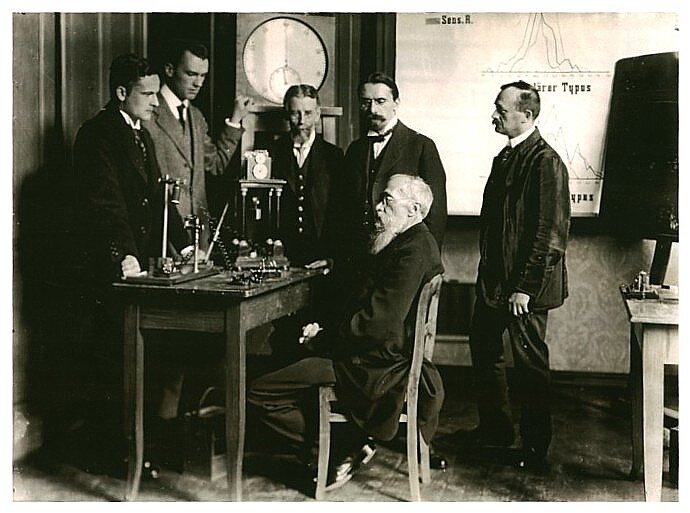
Wundt's work marked the beginning of a shift. Instead of just thinking about the mind, researchers began to measure it. This new scientific approach paved the way for different schools of thought to emerge.
Soon after, figures like Sigmund Freud in Austria began developing theories about the unconscious mind and its influence on our behavior. His work, known as psychoanalysis, brought psychology into the public eye and emphasized the importance of early childhood experiences.
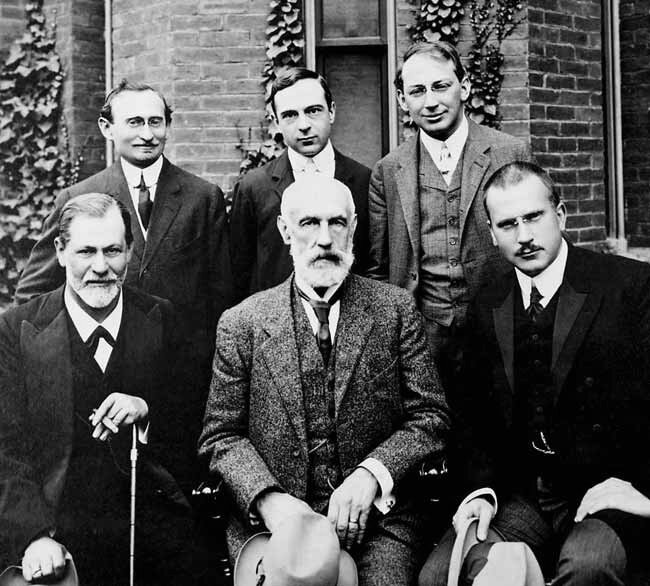
Over the 20th century, the field continued to evolve. Some psychologists focused strictly on observable behavior (behaviorism), while others turned their attention back to internal mental processes like memory and problem-solving (the cognitive revolution). Each step built on the last, adding new tools and perspectives to our understanding of the human experience.
The Many Faces of Psychology
Psychology isn't a single, monolithic field. It's more like a large, diverse family of related specialties. Each subfield focuses on a different set of questions and applies psychological principles in unique ways. Here are just a few of the major branches:
| Subfield | Focus |
|---|---|
| Clinical Psychology | Assesses and treats mental, emotional, and behavioral disorders. |
| Cognitive Psychology | Studies mental processes like attention, memory, language, and problem-solving. |
| Developmental Psychology | Researches human development across the entire lifespan, from infancy to old age. |
| Social Psychology | Explores how our thoughts, feelings, and behaviors are influenced by others. |
| Biopsychology | Examines the biological basis of behavior, including the nervous system and genetics. |
These are just a few examples. Other psychologists might work in schools, design more user-friendly products, advise legal experts, or help athletes improve their performance. The common thread is the systematic study of what makes us tick.
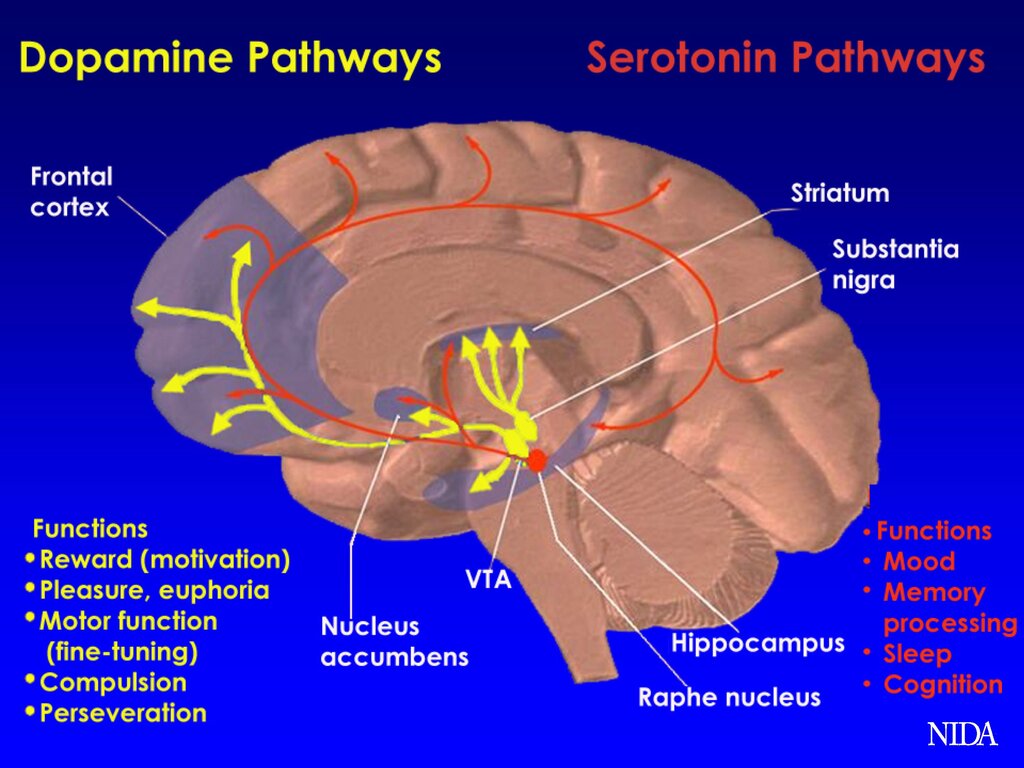
Before we wrap up, let's review the key terms and ideas from this introduction.
Now, let's check your understanding.
What is the primary focus of psychology as a scientific discipline?
Which event is widely considered to mark the beginning of psychology as a formal science, shifting it from philosophical speculation to scientific investigation?
From its philosophical roots to its modern scientific practice, psychology provides a powerful lens for understanding ourselves and the world around us. It’s a field that is constantly asking new questions and discovering new insights into the complexities of the human mind.