Introduction to Psychology
Introduction to Psychology
What Is Psychology?
Psychology is all around us. It’s in the way we make decisions, form relationships, and understand ourselves. At its core, it’s a science dedicated to understanding what makes us tick.
psychology
noun
The scientific study of the mind and behavior.
This field explores everything from the chemical processes in our brains to the broad social forces that shape entire communities. It seeks to answer fundamental questions about why we think, feel, and act the way we do. By using scientific methods, psychologists can separate fact from fiction, moving beyond simple intuition to build a reliable body of knowledge about human nature.
A Quick Trip Through Time
While people have been thinking about the mind for thousands of years, psychology as a formal science is relatively young. Its roots are in philosophy, with thinkers like Plato and Aristotle pondering the nature of the soul and knowledge. But the official starting point of modern psychology is often traced to a specific time and place: 1879, in Leipzig, Germany.
That's when a physician and philosopher named Wilhelm Wundt established the very first laboratory dedicated to psychological research. He wanted to study the mind with the same rigor as other sciences, like chemistry or physics. Wundt focused on breaking down mental processes into their most basic components, a viewpoint that became known as structuralism.
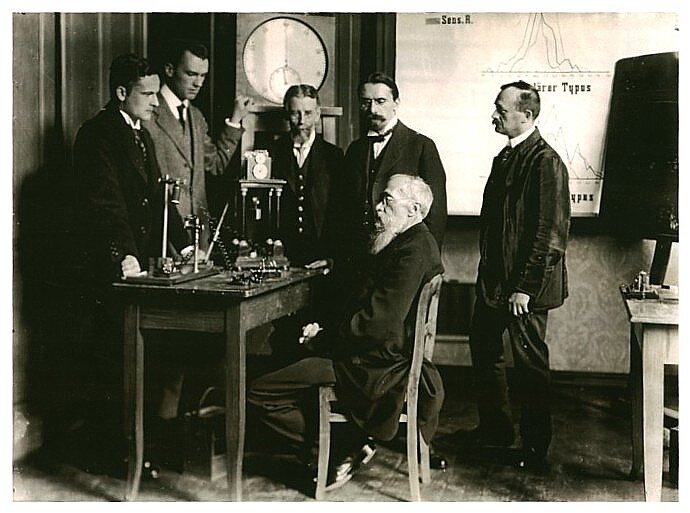
Around the same time in the United States, William James took a different approach. Influenced by Darwin's theory of evolution, James was more interested in how the mind helps us function in the world. This perspective, called functionalism, paved the way for many modern applications of psychology.
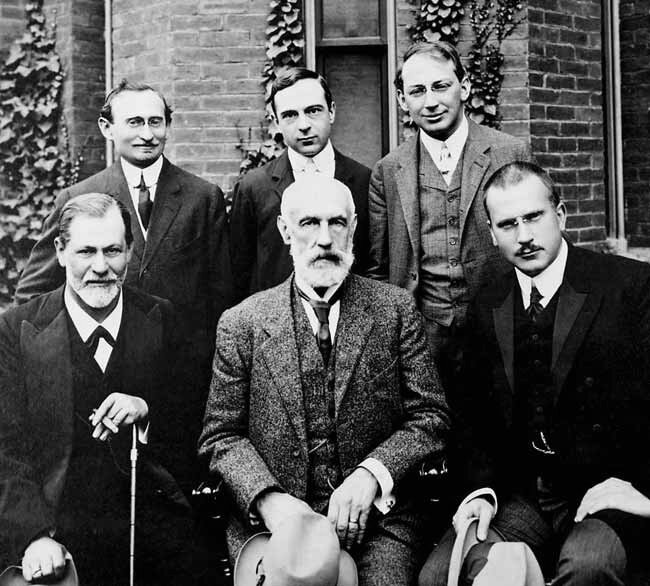
As the 20th century began, new ideas emerged. Sigmund Freud, an Austrian neurologist, developed psychoanalysis, emphasizing the power of the unconscious mind in shaping behavior. A bit later, figures like John B. Watson and B.F. Skinner championed behaviorism, arguing that psychology should only study observable behavior, not internal thoughts. Eventually, the cognitive revolution in the mid-20th century brought the focus back to mental processes, studying topics like memory, perception, and problem-solving.
The Many Faces of Psychology
Psychology isn't a single, monolithic field. It's a broad discipline with many different specializations, each looking at human behavior from a unique angle. A psychologist could be a therapist, a researcher, a consultant for a company, or a school counselor.
Thinking about a career in psychology is like looking at a restaurant menu. There are many different options, and each one offers a distinct flavor of understanding the human experience.
Here are some of the major subfields:
| Subfield | Focus |
|---|---|
| Clinical Psychology | Assesses and treats mental, emotional, and behavioral disorders. |
| Cognitive Psychology | Studies internal mental processes, such as thinking, memory, and language. |
| Developmental Psychology | Examines how and why people change over the course of their lives. |
| Social Psychology | Explores how individuals' thoughts, feelings, and behaviors are influenced by others. |
| Biological Psychology | Investigates the biological basis of behavior, including the nervous system and genetics. |
| Industrial-Organizational | Applies psychological principles to workplace issues, like productivity and morale. |
Each of these areas contributes a piece to the larger puzzle of human behavior. Together, they create a rich and comprehensive picture of who we are.
The formal beginning of psychology as a science is most commonly associated with which event?
A psychologist studying how the mind helps individuals adapt to their environment is most likely following which school of thought?