Introduction to Psychological Counseling
Introduction to Psychological Counseling
What Is Counseling?
At its heart, psychological counseling is a partnership. It’s a process where a trained professional helps you explore your thoughts, feelings, and behaviors in a safe, confidential environment. The main goal isn’t to get advice or be told what to do. Instead, it’s about empowering you to understand yourself better and make the changes you want in your life.
Counseling is a professional relationship that empowers diverse individuals, families, and groups to accomplish mental health, wellness, education, and career goals.
Think of a counselor as a guide. They walk alongside you, offering support and new perspectives as you navigate challenges. These challenges can be anything from managing stress and anxiety to improving relationships, making career decisions, or coping with major life events. The objective is to help you build skills, gain insight, and work toward your personal goals for a more fulfilling life.
A Brief History
Counseling didn't just appear overnight. Its roots go back to the late 19th and early 20th centuries, growing out of social reform movements. Early efforts focused on vocational guidance, helping people find suitable jobs to improve their lives. Pioneers like Frank Parsons are often credited with establishing the first organized guidance systems in the early 1900s.
The field grew significantly after major historical events, particularly the World Wars. Suddenly, there was a huge need to support soldiers returning with psychological trauma, then known as “shell shock.” This pushed psychology beyond academic labs and into clinical practice, leading to the development of more formal therapeutic techniques.
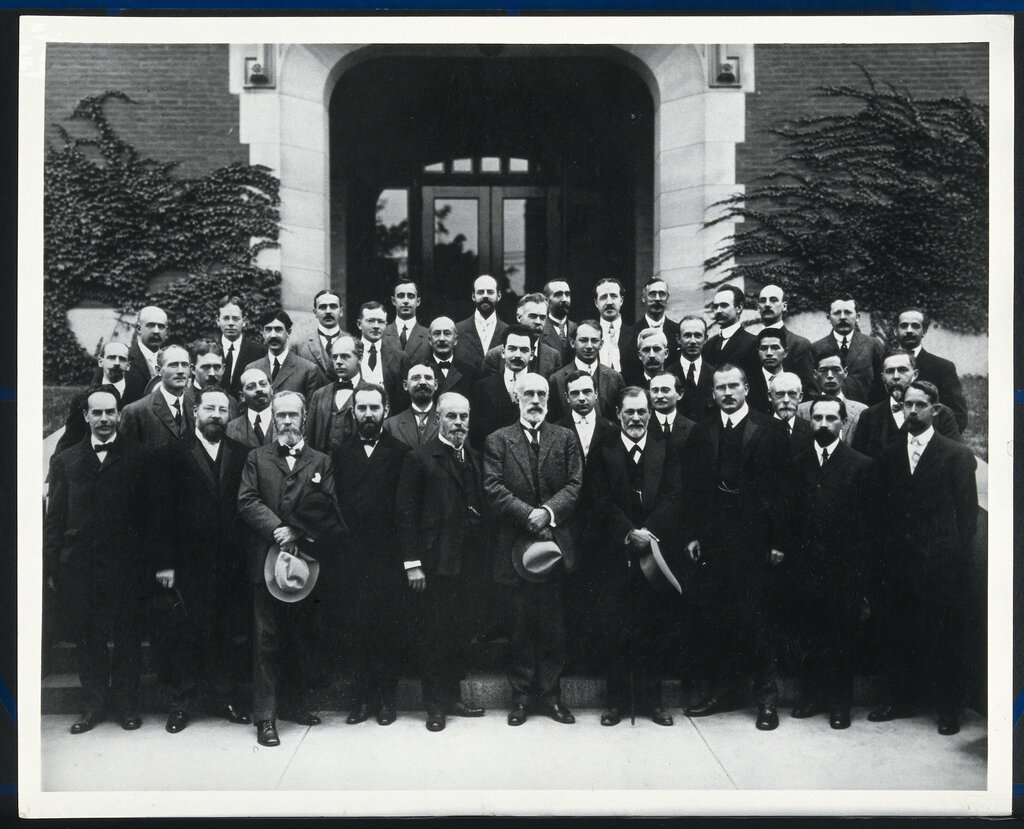
Over time, the focus expanded from just career and veteran support to include a wide range of human experiences. Schools began hiring counselors to help with student development, and the humanistic psychology movement of the mid-20th century championed a more client-centered approach. This evolution shaped counseling into the diverse and accessible profession it is today.
The Counselor's Role and Setting
A counselor wears many hats. They are skilled listeners, observers, and communicators. Their primary responsibility is to create a supportive, non-judgmental space where clients feel safe enough to be vulnerable. They help clients identify goals, recognize their strengths, and develop effective coping strategies. It’s a dynamic role that adapts to the unique needs of each individual.
Counseling happens in many different places. You'll find counselors in:
- Schools and Universities: Helping students with academic, personal, and career development.
- Hospitals and Clinics: Working with patients and families to cope with illness and mental health issues.
- Private Practices: Offering individual, couples, or family therapy.
- Community Centers: Providing accessible mental health services to the public.
- Workplaces: Supporting employee well-being and resolving conflicts.

Regardless of the setting, the core of the work remains the same: helping people improve their lives.
Building the Connection
The single most important factor in successful counseling is the relationship between the counselor and the client. This is known as the therapeutic alliance. It's a strong, trusting bond built on collaboration, empathy, and mutual respect. Without it, progress is difficult.
Counselors use specific skills to build this alliance. Three of the most fundamental are empathy, active listening, and clear communication.
empathy
noun
The ability to understand and share the feelings of another person from their perspective.
Empathy isn't the same as sympathy, which is feeling sorry for someone. Empathy is about feeling with someone. It’s the counselor’s ability to step into the client's shoes and see the world from their point of view.
Next is active listening. This is more than just hearing words; it's about fully concentrating on what is being said, both verbally and non-verbally.
Active listening involves paying close attention, withholding judgment, and reflecting on what you hear to confirm your understanding. It means asking clarifying questions like, “What I’m hearing you say is…” to ensure you’re on the same page.
Finally, effective communication ties everything together. Counselors learn to ask open-ended questions—questions that can’t be answered with a simple “yes” or “no”—to encourage deeper reflection. They also learn to summarize discussions and provide feedback in a gentle, constructive way.
These skills are the building blocks of a strong therapeutic alliance, creating a foundation for meaningful change.
Time to review what you've learned about the foundations of counseling.
What is the primary goal of psychological counseling?
The single most important factor for successful outcomes in counseling is the strong, trusting bond between the counselor and client. This is known as the __________.
Understanding these fundamentals—what counseling is, where it came from, and how it works—is the first step in appreciating its power to help people grow and thrive.