Introduction to Psychoanalysis
Introduction to Psychoanalysis
The Talking Cure
At its heart, psychoanalysis is a method of understanding the mind and a form of therapy based on that understanding. Developed by Sigmund Freud around the turn of the 20th century, its main goal is to explore the unconscious mind. The core idea is that many of our feelings, desires, and memories are hidden from our conscious awareness, yet they continue to shape our behavior, relationships, and even our physical symptoms.
The objective of psychoanalysis is to bring these unconscious thoughts and feelings into the light. By talking through them with a therapist, a person can gain insight into their inner conflicts and find relief from psychological distress. Freud's patients often called it the "talking cure."
Think of the mind as an iceberg. The small tip floating above the water is our conscious mind—the thoughts and perceptions we're aware of right now. But the vast, unseen mass below the surface is the unconscious. This hidden part contains the powerful drives, instincts, and repressed memories that steer our lives in ways we don't fully comprehend.
A Radical New Idea
Before Freud, psychology was a very different field. In the late 19th century, researchers primarily focused on what could be observed and measured. They studied conscious experience, breaking it down into basic components or examining how the mind adapted to its environment. The inner world of dreams, slips of the tongue, and deep-seated anxieties was largely considered unscientific and was therefore ignored.
Freud, a neurologist, became interested in patients whose symptoms had no clear physical cause. He proposed a revolutionary theory: their ailments were rooted in psychological conflicts buried deep within the mind. This was a dramatic shift. It suggested that we are not always the rational masters of our own minds. Instead, we are profoundly influenced by a hidden, unconscious realm.
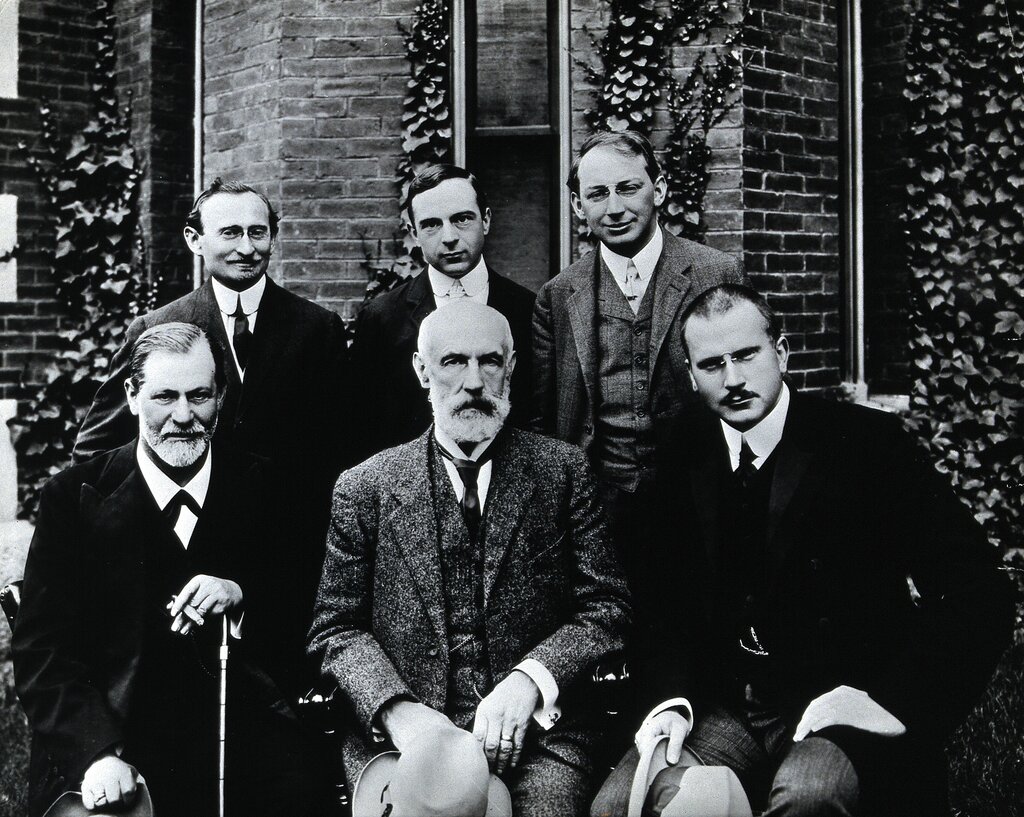
This new perspective argued that understanding human behavior required looking beyond the surface. It wasn't enough to just observe actions; one had to understand their hidden meanings and origins, which often traced back to early life experiences.
Freud's Lasting Contribution
Freud's single most important contribution was the concept of the unconscious mind as a repository for repressed thoughts and feelings. He believed that early childhood is a critical period where our personality and psychological patterns are formed. Experiences from this time, especially those that are traumatic or unresolved, are pushed into the unconscious but don't simply disappear. They fester, influencing our adult lives through anxiety, depression, or other neurotic symptoms.

For example, an adult who struggles with forming close relationships might be unconsciously acting out fears of abandonment stemming from an early childhood experience. Psychoanalysis aims to uncover that root cause. By making the unconscious conscious, the patient can understand the source of their difficulties and begin to address them.
While many of Freud's specific theories have been debated and revised over the last century, his foundational ideas have had a profound impact. He changed how we think about the mind, introduced the idea that talking about problems can be healing, and highlighted the importance of our inner lives and personal histories.
Now, let's check your understanding of these foundational concepts.
What is the primary goal of psychoanalysis as developed by Sigmund Freud?
In Freud's iceberg analogy for the mind, what does the small, visible tip above the water represent?