Introduction to Psychoanalysis
Introduction to Psychoanalysis
What Is Psychoanalysis?
Psychoanalysis is a way of understanding the human mind and a method for treating emotional distress. At its core, it operates on a simple but powerful idea: much of what drives us—our feelings, desires, and conflicts—lies outside of our everyday awareness, in a part of the mind we call the unconscious.
Psychoanalysis is both a psychological theory and a method of treatment that seeks to explore the unconscious mind’s role in shaping human thoughts, behaviours, and emotions.
The main goal of psychoanalytic therapy is to bring these hidden thoughts and feelings to the surface. By making the unconscious conscious, individuals can gain insight into their own patterns and the root causes of their struggles. This self-understanding can lead to relief from psychological symptoms and lasting changes in personality and emotional well-being.
A New Way of Thinking
Psychoanalysis emerged in the late 19th century, a time of major scientific and social change. In Vienna, a young neurologist named Sigmund Freud was treating patients with puzzling symptoms, like paralysis or anxiety, that had no clear physical cause. The medical world at the time was focused almost exclusively on biology and often dismissed such conditions as imaginary.
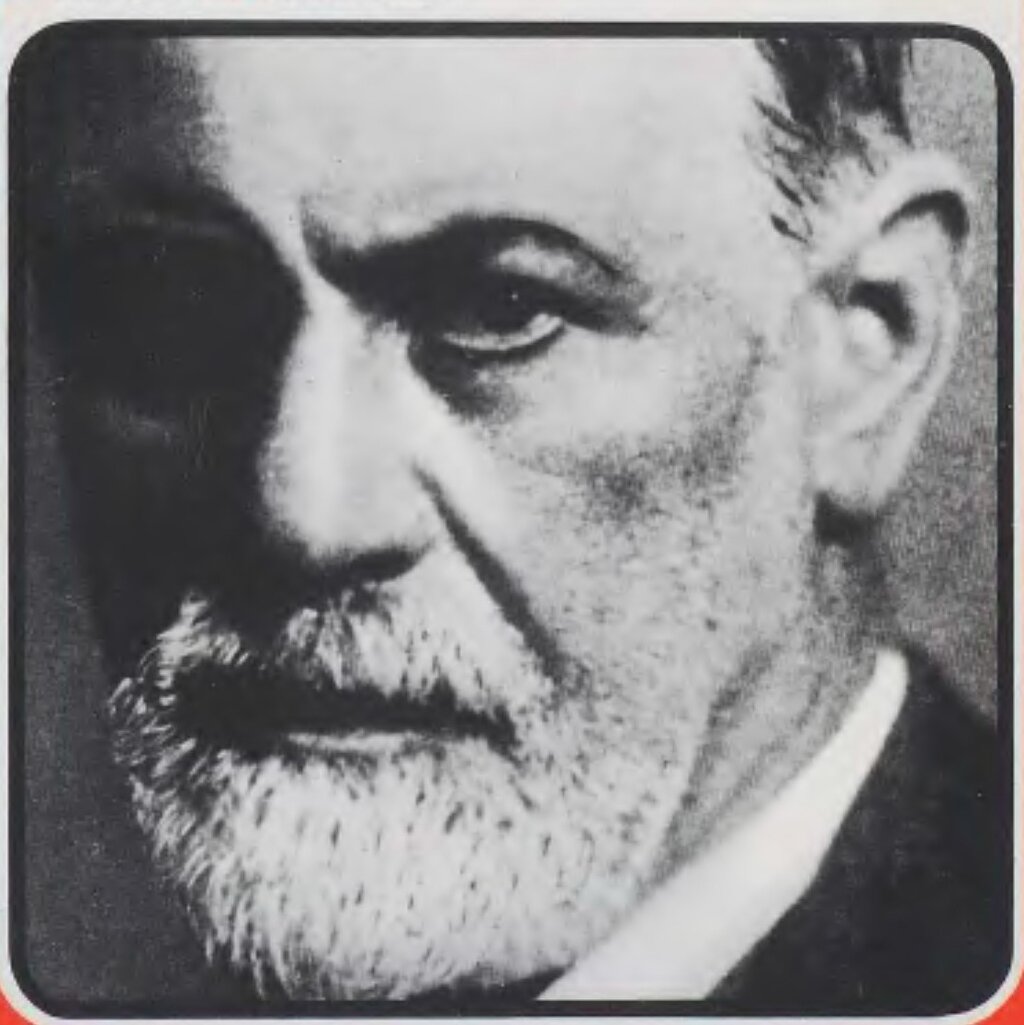
Freud, however, believed his patients' suffering was real. He proposed that their physical symptoms were expressions of deep, unresolved psychological conflicts. This was a radical departure from the prevailing thought. Instead of looking only at the body, Freud began to explore the mind, listening carefully to his patients' stories, dreams, and stray thoughts. From these clinical observations, he developed the foundational theories and techniques of psychoanalysis.
The Unseen Mind
The cornerstone of psychoanalysis is the concept of the unconscious mind. Think of it as a vast reservoir holding all the feelings, thoughts, urges, and memories that are unacceptable or too painful for our conscious mind to handle. Though we are not aware of its contents, the unconscious exerts a powerful influence on our actions and experiences.
One of Freud’s most ground-breaking claims was that much of human behaviour is influenced by unconscious desires, fears, and conflicts.
Where do these unconscious contents come from? Freud believed they are largely shaped by our earliest life experiences. The relationships we have and the events we witness in early childhood leave a deep imprint on our developing personality. These experiences, especially troubling ones, are often pushed out of conscious memory but continue to affect our behavior in adulthood.
The therapeutic process in psychoanalysis, then, is a kind of psychological archaeology. The therapist helps the patient carefully excavate these hidden layers of the mind. The goal is not to erase the past, but to understand it and loosen its grip on the present. By gaining insight into these unconscious forces, a person is better equipped to manage their feelings and make more conscious choices about their life.
Now that you understand the basic principles, let's test your knowledge.
What is the primary goal of psychoanalytic therapy?
According to psychoanalytic theory, the unconscious mind primarily contains...