Introduction to Psychiatry
Introduction to Psychiatry
What Is Psychiatry?
Psychiatry is a field of medicine focused on mental health. It involves the diagnosis, treatment, and prevention of mental, emotional, and behavioral disorders. A psychiatrist is a medical doctor (MD or DO) who specializes in this area.
Think of it this way: if you break your arm, you see an orthopedic surgeon. If you're struggling with persistent anxiety, crippling sadness, or thought patterns that disrupt your life, you might see a psychiatrist. They use talk therapy, medication, and other treatments to help people manage their conditions and improve their well-being.
The scope of psychiatry is broad, covering everything from mild, temporary conditions like adjustment disorder to severe, chronic illnesses such as schizophrenia.
A Look Back
Ideas about mental illness have changed dramatically over time. In ancient civilizations, mental and emotional distress was often attributed to supernatural forces, like angry gods or demonic possession. Treatments were accordingly spiritual, involving prayers, rituals, or exorcisms.
During the Middle Ages, asylums were established, but they were often more like prisons than hospitals. The focus was on confining people who behaved differently, not on treating them. Early attempts to classify and understand mental illness were simple and often based on observation without a deep understanding of the underlying causes.

The 19th and 20th centuries brought revolutionary changes. A few key figures pushed the field forward, helping to transform psychiatry into the medical science it is today.
Psychoanalysis
noun
A set of psychological theories and therapeutic techniques that have their origin in the work and theories of Sigmund Freud.
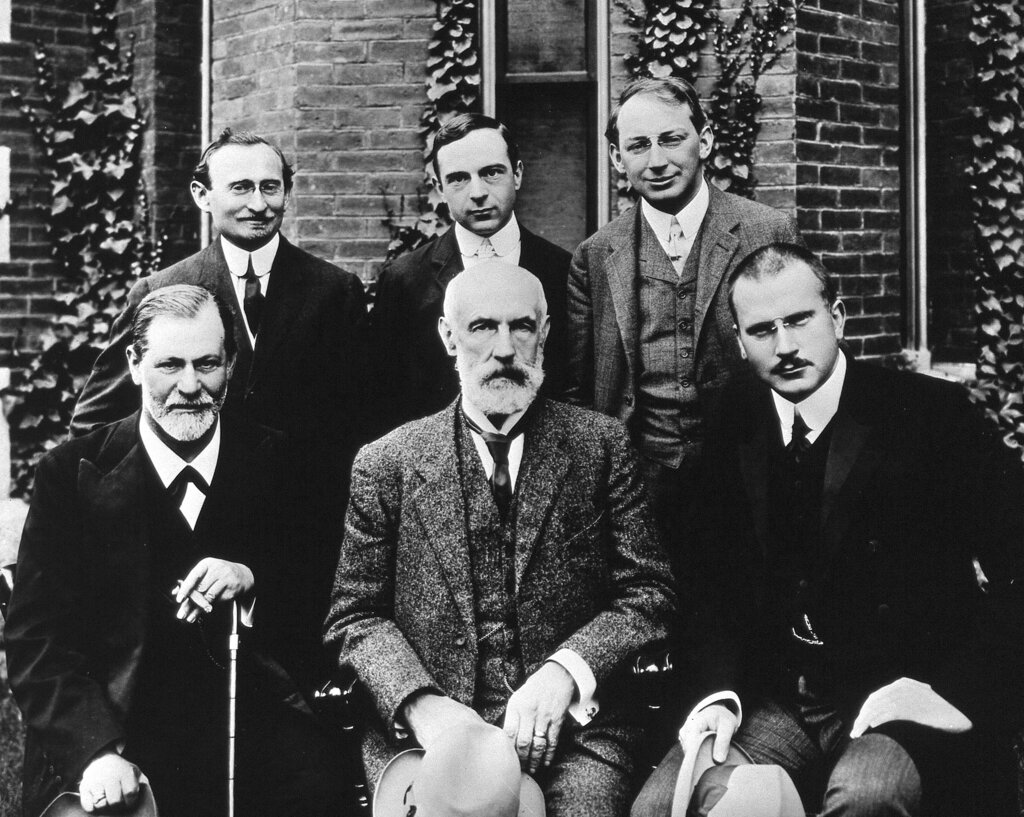
Sigmund Freud, an Austrian neurologist, introduced the idea that unconscious thoughts and early childhood experiences play a huge role in a person's mental state. His method, called psychoanalysis, involved exploring these hidden parts of the mind through talk therapy. While many of his specific theories are no longer central to modern psychiatry, his focus on the inner life of the patient was groundbreaking.
Around the same time, the German psychiatrist Emil Kraepelin began carefully observing and classifying mental disorders. He was the first to distinguish between what he called "dementia praecox" (now known as schizophrenia) and "manic-depressive psychosis" (now called bipolar disorder). His work laid the foundation for the diagnostic manuals used today, like the DSM-5.
The Biopsychosocial Model
Today, psychiatrists understand that mental health is complex. It's not just about what happens in your brain, nor is it just about your life experiences. A holistic framework called the biopsychosocial model helps to capture this complexity.
This model proposes that three different factors interact to affect a person's mental health:
- Biological: This includes genetics, brain chemistry, hormones, and physical health. A family history of depression, for example, is a biological risk factor.
- Psychological: This covers your thoughts, emotions, behaviors, and personality. How you cope with stress or your patterns of thinking are psychological factors.
- Social: This refers to your environment, including your family, relationships, culture, socioeconomic status, and life events. Losing a job or having a strong support system are social factors.
No single factor tells the whole story. A psychiatrist considers all three to understand a person's condition and create an effective treatment plan.
Culture and Context Matter
What's considered "normal" behavior can vary greatly from one culture to another. What might be seen as a symptom of mental illness in one society could be a respected spiritual practice in another.
For instance, some cultures express emotional distress through physical symptoms, like stomach aches or headaches, rather than talking about feelings of sadness. There are also "culture-bound syndromes," which are patterns of distress specific to certain societies. Understanding a person's cultural background is essential for accurate diagnosis and respectful care.
A good psychiatrist considers the patient's entire world, not just a list of symptoms. They ask about family, work, cultural beliefs, and societal pressures to get a complete picture. This cultural sensitivity helps build trust and ensures that the treatment fits the person, not just the diagnosis.
One of the priorities is to move from simply describing psychiatric disorders to understanding how they develop.
Time to review the key concepts from this introduction.
Now, let's test your understanding with a few questions.
What is the primary focus of the medical field of psychiatry?
Which historical figure is credited with laying the groundwork for modern diagnostic manuals by first distinguishing between disorders like schizophrenia and bipolar disorder?
Psychiatry is a constantly evolving field, blending medical science with a deep understanding of the human experience. By considering biology, psychology, and social context, it offers a powerful framework for promoting mental well-being.