Introduction to Programming Languages
Introduction to Programming Languages
What Is a Programming Language?
At its core, a computer only understands two things: on and off. We represent these states with the numbers 1 and 0. Every action a computer takes, from displaying this text to calculating a satellite's trajectory, is a result of complex sequences of these ones and zeros, known as machine code.
Writing instructions directly in machine code is incredibly tedious and prone to error. Imagine trying to write a novel using only two symbols. A programming language acts as a translator, a structured way for humans to give instructions to a computer in a form that's easier for us to read and write.
Programming languages bridge this gap and provide a medium between human languages and binary code that is essential for writing programs.
These languages provide a set of rules and vocabulary that allow us to express logical steps to solve a problem. The computer then uses special programs called compilers or interpreters to translate our human-readable code into the machine code it can execute.
From 0s and 1s to Words
The journey from raw machine code to the languages used today shows a clear trend: moving closer to human language and further from the machine's. This process is often described in terms of levels of abstraction.
The first programmers had no choice but to use machine code. Eventually, assembly languages were developed. These introduced mnemonics—short, memorable names—for machine operations, like using ADD instead of 01001011. This was a step up, but still tightly coupled to the computer's specific hardware.
The real breakthrough came with high-level languages. These languages use words and structures similar to human language, allowing programmers to write code like print("Hello, World!"). This code is much easier to write, read, and maintain, and a single high-level instruction can correspond to many machine code instructions.
Rules of the Language
Like any human language, programming languages have rules. These rules fall into two main categories: syntax and semantics.
Syntax
noun
The set of rules that defines the combinations of symbols that are considered to be correctly structured statements in a language. It's the grammar of the language.
Syntax is all about structure. If you write print "Hello")( in Python, the computer won't understand because the parentheses are in the wrong place. The syntax is incorrect. A program must be syntactically perfect for the computer to even begin processing it.
Semantics
noun
The meaning of the expressions, statements, and program units. It's about what the code is supposed to do.
Semantics is about meaning. The code x = 5 + 3 is syntactically correct. Its semantic meaning is to add the numbers 5 and 3 and store the result in a variable named x. It's possible to write code that is syntactically correct but semantically wrong—it runs, but it doesn't do what you intended. For example, writing x = 5 * 3 when you meant to add is a semantic error.
Mastering a programming language means learning both its grammar (syntax) and how to use it to express your intended logic (semantics).
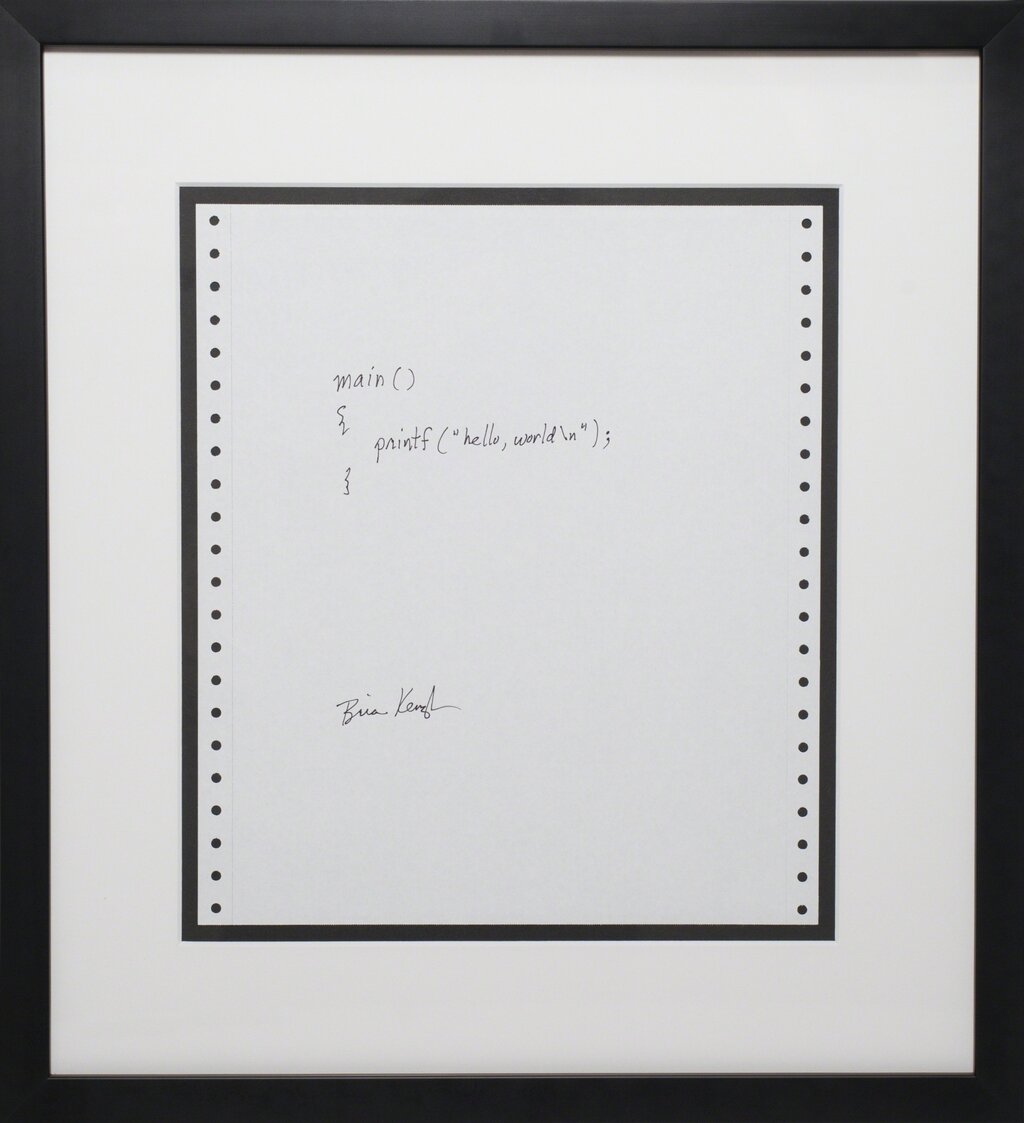
Programming languages are the fundamental tools of software development. They are used to create everything from the operating system on your phone to the web browser you're using right now. By providing a structured way to communicate with computers, they enable developers to build complex, powerful, and useful applications that shape our modern world.
Now, let's test your understanding of these core concepts.
What is the most fundamental language a computer understands, composed entirely of 1s and 0s?
What is the primary role of a programming language?