Introduction to Programming Fundamentals
Introduction to Programming
What Is a Program?
At its core, a computer program is just a set of instructions. Think of it like a recipe. A recipe gives you a list of steps to follow to bake a cake. You read the instructions—mix flour and sugar, add eggs, bake for 30 minutes—and you follow them in order.
A program does the same thing for a computer. It's a list of precise steps written in a language the computer can understand. These instructions tell the computer exactly what to do, from simple tasks like adding two numbers to complex ones like running a video game.
Program
noun
A sequence of instructions that specifies how to perform a computation or a task.
But there's a catch. Computers don't understand English, or any human language. They operate on a much simpler level, using electricity. Their native language is binary, a system of just two digits: 0 and 1. Every instruction a computer executes is ultimately broken down into a long sequence of these ones and zeros.
From Human to Machine
Since writing in long strings of 1s and 0s is incredibly tedious and difficult for humans, we created programming languages. These languages act as a bridge, allowing us to write instructions in a way that is more readable for us.
Once we've written our instructions in a programming language, a special program called a compiler or an interpreter translates our code into the binary machine code that the computer's processor can execute.
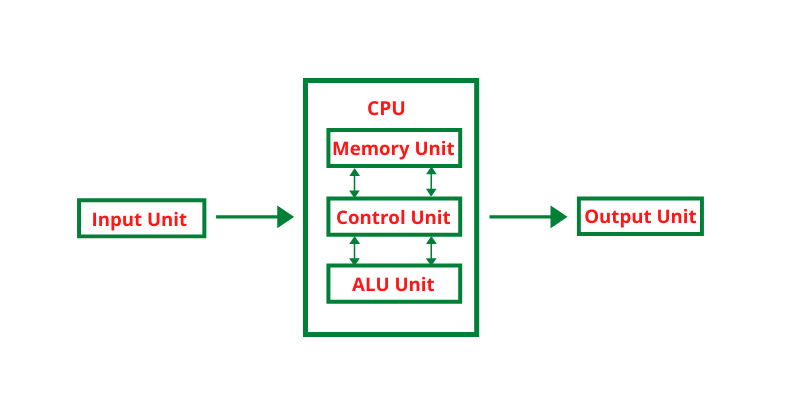
The computer's brain, the Central Processing Unit (CPU), then takes this machine code and executes the instructions one by one, at incredible speeds. The CPU is the engine that powers everything your computer does. It fetches an instruction, decodes it to figure out what to do, and then executes it.
A World of Languages
There isn't just one programming language; there are thousands. Some are general-purpose, while others are designed for specific tasks. For example, JavaScript is primarily used for making websites interactive, while Python is popular for data analysis and artificial intelligence.
These languages are often categorized as either high-level or low-level.
- High-level languages are more abstract and easier for humans to read and write. They use words and syntax that are closer to English. Python, Java, and C# are all high-level languages.
- Low-level languages, like Assembly language, are much closer to the machine's native binary code. They give the programmer more direct control over the computer's hardware but are much more difficult to work with.
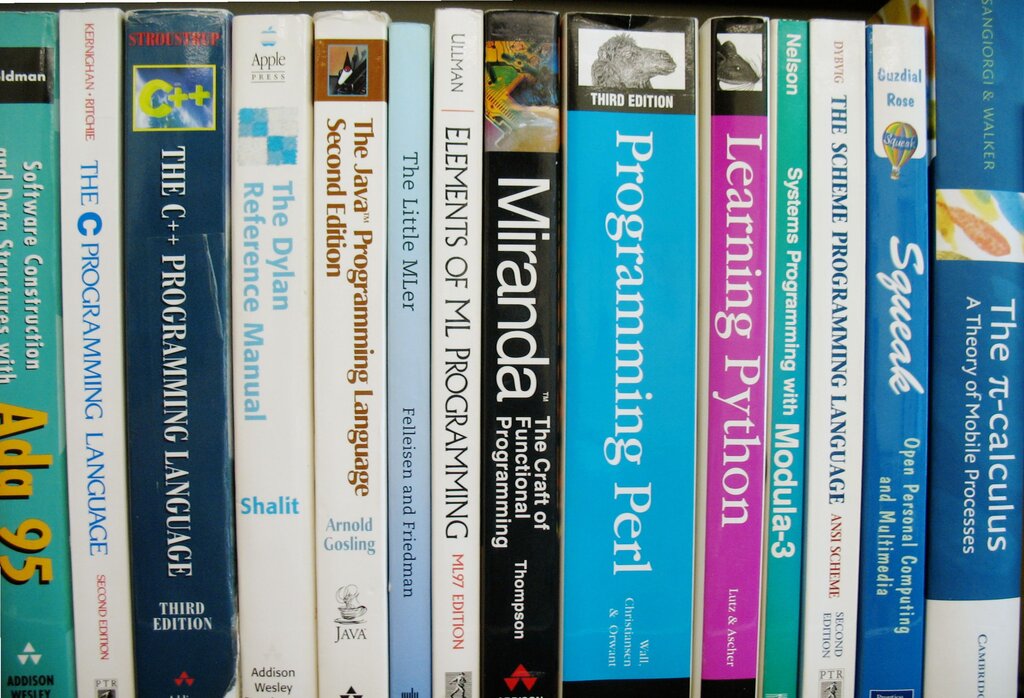
The language a programmer chooses depends on the problem they are trying to solve. Regardless of the language, the fundamental process is the same: write instructions, translate them into machine code, and have the computer execute them to achieve a goal.
What is the fundamental purpose of a computer program?
What is the role of a compiler or an interpreter?
Now that you understand the basic concepts, you're ready to start exploring how these instructions are actually written.