Introduction to Programming Concepts
Introduction to Programming
What Is Programming?
At its heart, programming is simply telling a computer what to do. Think of it like writing a recipe. A recipe has a list of ingredients and a set of step-by-step instructions. Follow them precisely, and you get a delicious cake. Stray from the path, and you might end up with a mess.
A computer program is a lot like that recipe. The programmer writes a series of instructions in a special language, and the computer follows them exactly. These instructions can be simple, like adding two numbers, or incredibly complex, like powering a self-driving car.
Every app on your phone, every website you visit, and every video game you play is powered by programs that someone wrote.
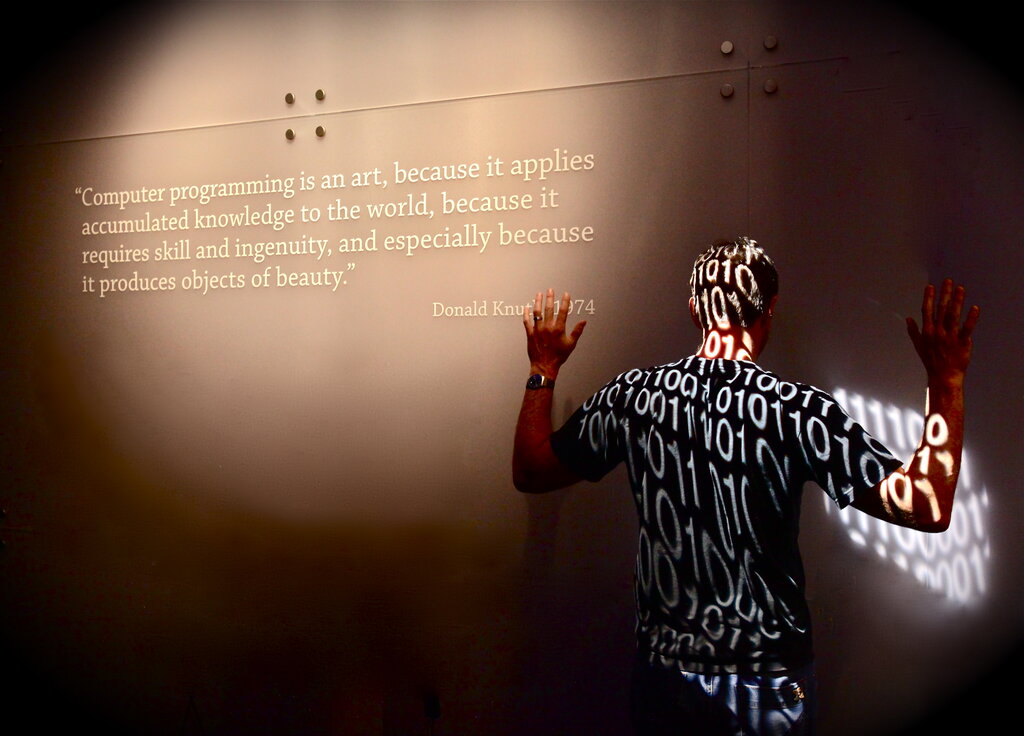
Programming is the language of the modern world. It's used in nearly every field, from science and medicine to entertainment and finance. It allows us to analyze data, create art, connect with people across the globe, and solve some of humanity's biggest challenges.
The Role of a Programmer
A programmer, also known as a developer or software engineer, is a problem-solver. Their job is to take a human idea or a real-world problem and translate it into a set of logical instructions that a computer can execute.
This process is more than just typing code. It involves understanding the problem, designing a solution, writing the instructions, and then testing them to make sure they work correctly. It's a creative process that combines logic, foresight, and a bit of artistry. Programmers are the architects and builders of the digital world.
Anatomy of a Program
While programs can be vastly different, most of them follow a fundamental structure. They take some information in, do something with it, and then produce a result.
Let's break down this flow using a calculator app:
-
Input: You provide the information the program needs to work. For a calculator, this is the numbers and the operation you want to perform, like
2 + 2. -
Process: This is the core logic of the program. The computer takes your input and follows its instructions to manipulate it. The calculator app takes the numbers
2and2and performs the addition operation. -
Output: This is the result the program gives you after it's done processing. The calculator displays the answer,
4, on the screen.
From Idea to Execution
How does a programmer's idea actually become a running application? It's a two-step translation process.
First, the programmer writes the instructions in a human-readable programming language. This is called source code. It uses words and symbols that are relatively easy for people to understand and write.
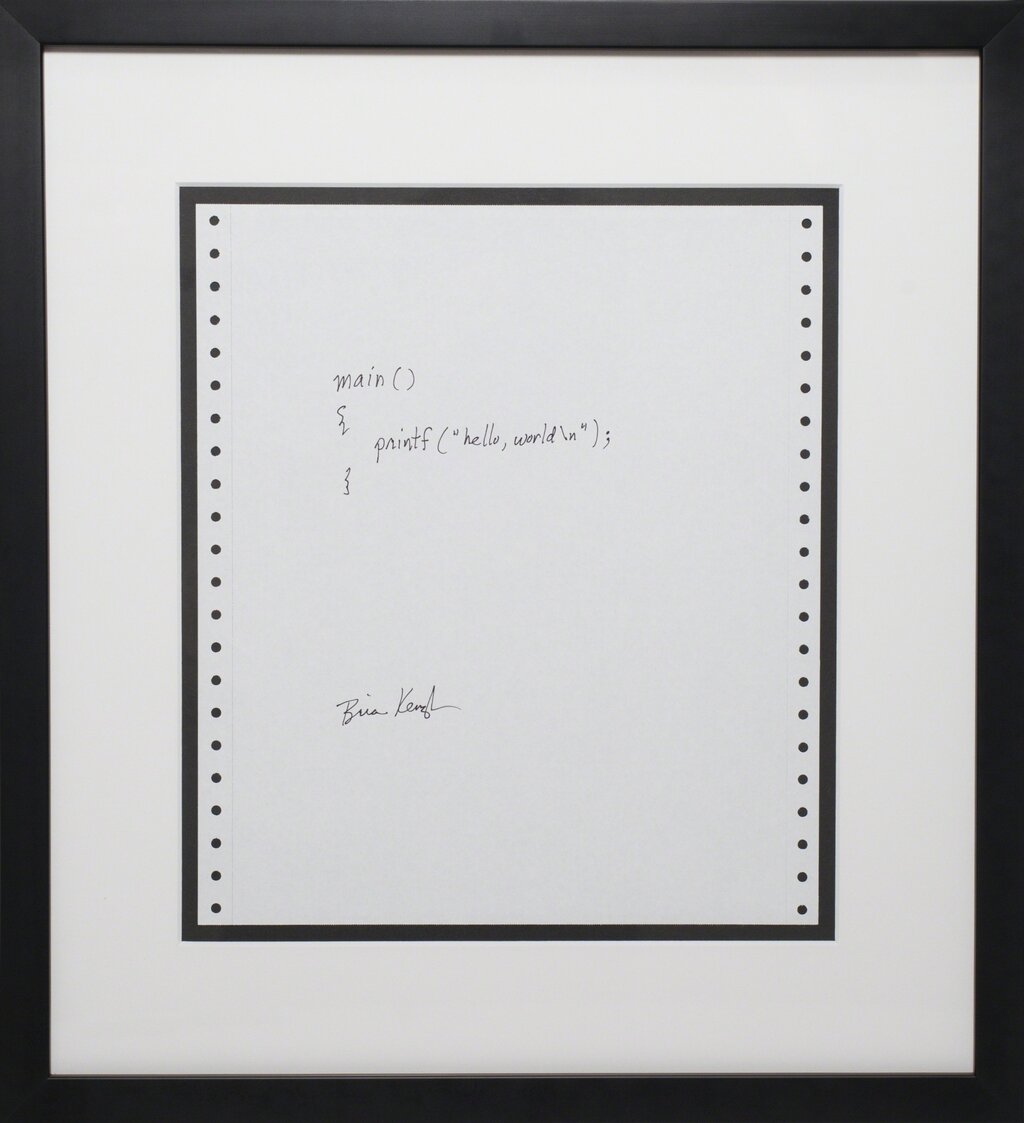
However, a computer's central processing unit (CPU) doesn't understand source code. It only understands a very low-level language called machine code, which is represented by ones and zeros.
A special program, called a compiler or an interpreter, is needed to translate the source code into machine code. Think of it as a translator bridging the gap between human language and computer language.
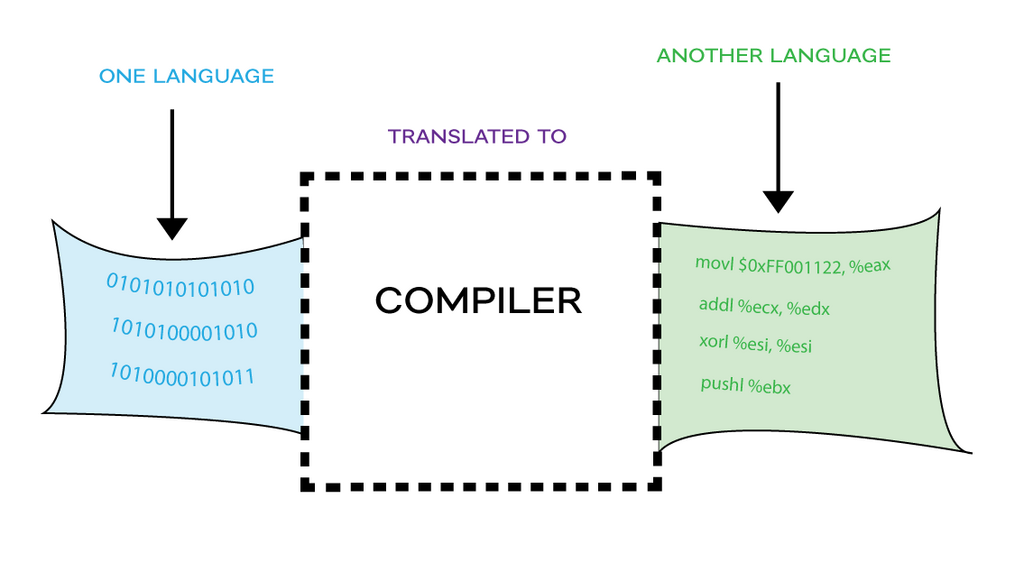
Once the code is translated, the computer's CPU can execute the instructions. It reads the machine code and carries out the tasks one by one at incredible speeds. This is how every click, tap, and command you give your devices comes to life.
At its most basic level, programming is analogous to writing a recipe. A program is a set of instructions that a computer follows exactly.
What is the primary role of a programmer?
This is the fundamental cycle of all software. A human has an idea, expresses it as code, that code is translated for the machine, and the machine brings the idea to life.