Introduction to Programming Concepts
Introduction to Programming
What is Programming?
At its heart, programming is simply the act of giving a computer a set of instructions to follow. Think of it like writing a recipe. A recipe lists ingredients and provides step-by-step directions to create a meal. In the same way, a program lists commands for a computer to execute to accomplish a task, like displaying a webpage or calculating a sum.
These instructions are written in a special language that the computer can understand. This language is what we call code. A set of instructions written in code is called a program or script. Just as humans use different languages to communicate, programmers use various programming languages to talk to computers.
Programming is the process of writing instructions for a computer to perform specific tasks. The instructions are written in a language called code.
A Quick Trip Through Time
Programming wasn't always as straightforward as it is today. The very first computers were given instructions in the most direct way possible: a series of 1s and 0s. This is called machine code, and it's the native language of a computer's central processing unit (CPU). As you can imagine, writing long strings of binary numbers was incredibly tedious and prone to error.
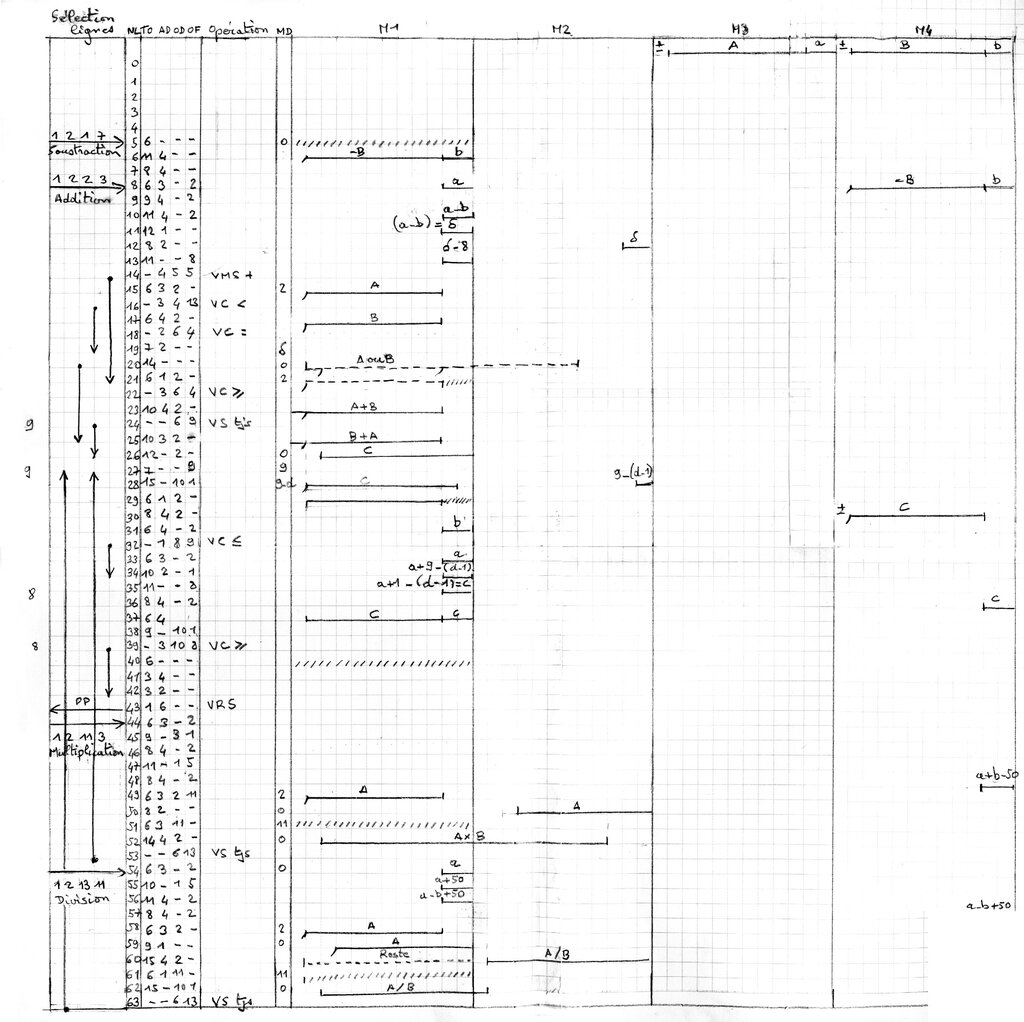
To make things easier, assembly languages were developed. These used short, memorable words (mnemonics) to represent machine code instructions, like ADD for addition or MOV for moving data. It was an improvement, but still closely tied to the computer's specific hardware.
The real breakthrough came with high-level languages. These languages use words and syntax much closer to human language, making them easier to read, write, and understand. Languages like Python, Java, and C++ allow programmers to think about the problem they're solving rather than the tiny details of the computer's architecture. For example, to display "Hello, World!" on the screen, the code in Python is very simple.
# This is a comment. The computer ignores it.
# The line below tells the computer to display the text in the parentheses.
print("Hello, World!")
Where Code Comes to Life
Today, programming is the engine behind our digital world. It's used in virtually every industry and powers the technology we use every day.
- Web Development: Every website you visit, from social media to online stores, is built with code. Languages like HTML, CSS, and JavaScript structure and style web pages and make them interactive.
- Mobile Apps: The apps on your phone for banking, games, and messaging are all created by programmers.
- Data Science & AI: Scientists and analysts use programming to analyze huge datasets, identify trends, and build artificial intelligence models that can do things like recognize images or translate languages.
- Video Games: From simple mobile puzzles to massive online worlds, video games are complex programs that combine graphics, physics, and user input.
- Automation: Programming can automate repetitive tasks, from sending automatic email replies to controlling robots in a factory.
From Words to Actions
So how does a high-level language, written in English-like words, actually make a computer perform a task? Since computers only understand machine code, the source code we write has to be translated. This is done by special programs called compilers or interpreters.
A compiler translates the entire program into machine code all at once, creating a standalone executable file. An interpreter translates and runs the program line by line.
Once translated, the CPU can execute these machine code instructions. This all happens incredibly fast, allowing the computer to perform millions or even billions of operations per second, turning the programmer's abstract ideas into concrete actions.
Now that you understand the basic concepts, let's test your knowledge.
What is the fundamental purpose of programming?
The very first computer programs were written in ______, which consists of only 1s and 0s.
Understanding these fundamentals is the first step on the journey to learning how to code. It's about learning a new way to think and to solve problems by breaking them down into logical steps that a computer can follow.